Wondering what daily life feels like beneath a canopy of oaks in central Louisiana? If you are drawn to historic streets, porch conversations, and easy access to everyday conveniences, Alexandria’s Garden District offers a relaxed rhythm that is hard to replicate. You want a clear picture of the homes, the lifestyle, and what to expect before you decide. This guide walks you through the vibe, the housing character, and practical tips for evaluating the neighborhood. Let’s dive in.
Not the New Orleans Garden District
The Garden District in Rapides Parish refers to a locally known, older residential area within or near the city of Alexandria. It is distinct from the famous Garden District in New Orleans. When you research homes and lifestyle in Alexandria’s version, focus on central Louisiana sources and maps to avoid confusion.
Where it sits and why that matters
Neighborhood boundaries can vary by source. Some maps, local associations, and listing platforms draw the lines a bit differently. If you want a precise boundary for your search or permitting, check City of Alexandria planning or zoning maps and Rapides Parish assessor or GIS parcel maps. A local neighborhood association, if active, is another helpful reference.
This location places you within short drives of everyday needs. Many residents commute by car to jobs across Alexandria and nearby areas. Depending on your exact block, you may walk or bike to small businesses and services, or you may prefer quick drives for errands.
The feel of daily life
Mornings under the oaks
Tree-lined streets and shaded sidewalks set a calm tone. Morning coffee on the porch, neighbors walking dogs, and dappled light under mature oaks are part of the daily backdrop. The shade keeps strolls pleasant, especially outside the peak summer hours.
Weekdays and errands
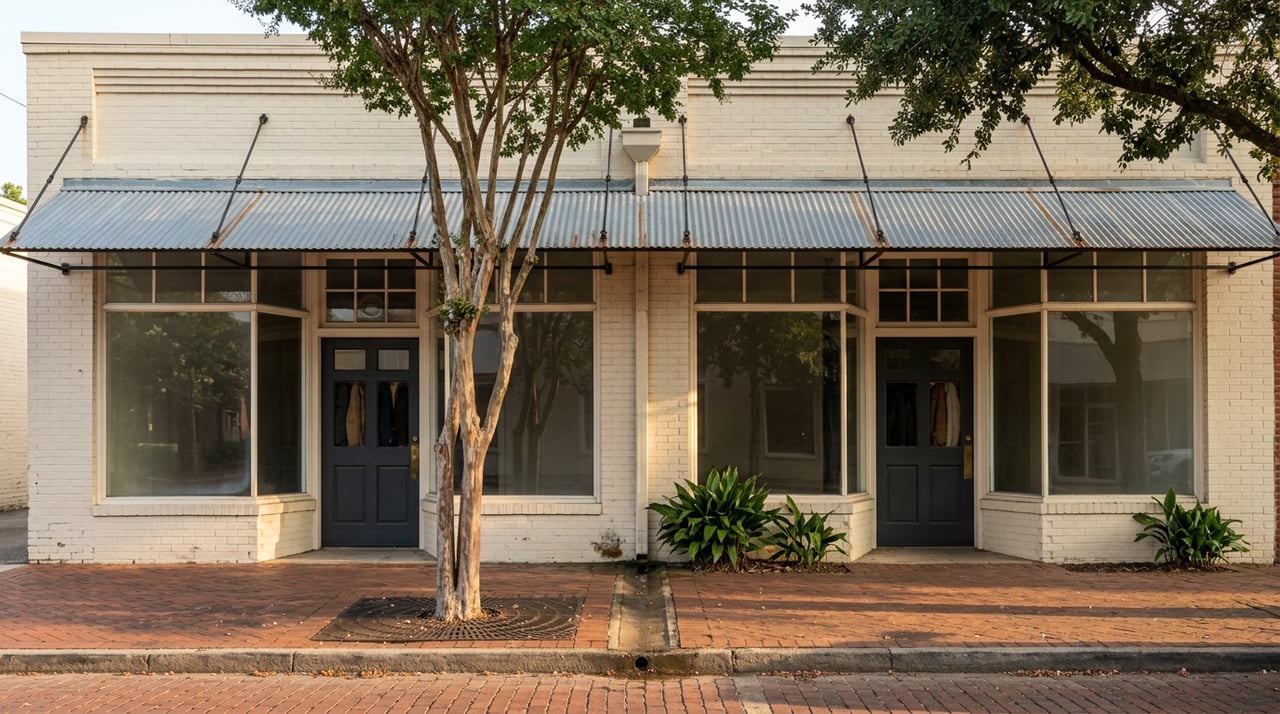
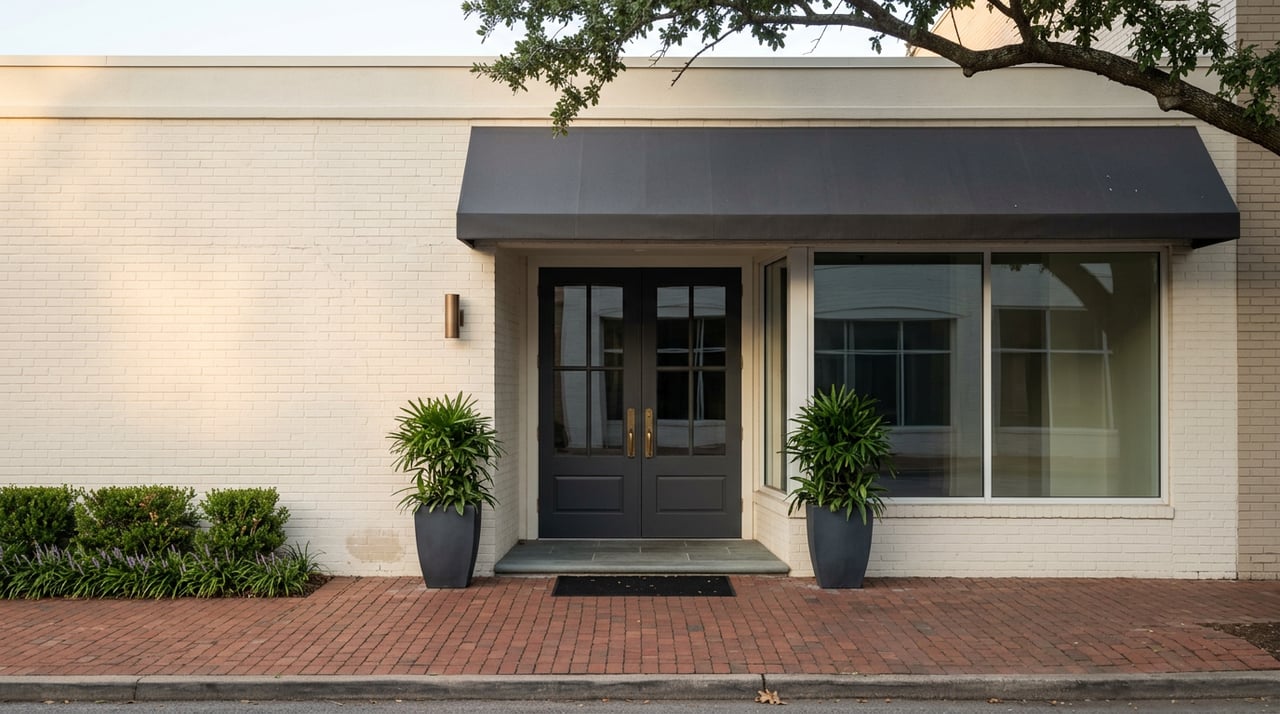
This is a practical, residential neighborhood where daily life moves at a measured pace. You can expect small local retail options nearby or a short drive to groceries, pharmacies, banks, and service businesses. Older infrastructure, like sidewalks and driveways, shows normal wear in places, so you will notice ongoing maintenance as part of the neighborhood’s rhythm.
Evenings and weekends
Evenings tend to center around casual, locally owned eateries and relaxed gatherings. You will find a laid-back restaurant scene rather than large-scale nightlife. Weekends often mean yard projects, porch visits, and easy trips to nearby parks or green spaces when the weather is comfortable.
Seasons and weather
Alexandria’s climate is humid subtropical, with hot, humid summers and mild winters. In summer, outdoor activity usually shifts to mornings and later in the day. Spring and fall are especially pleasant for porch sitting, neighborhood walks, and outdoor dining.
Homes and architecture
What you will see
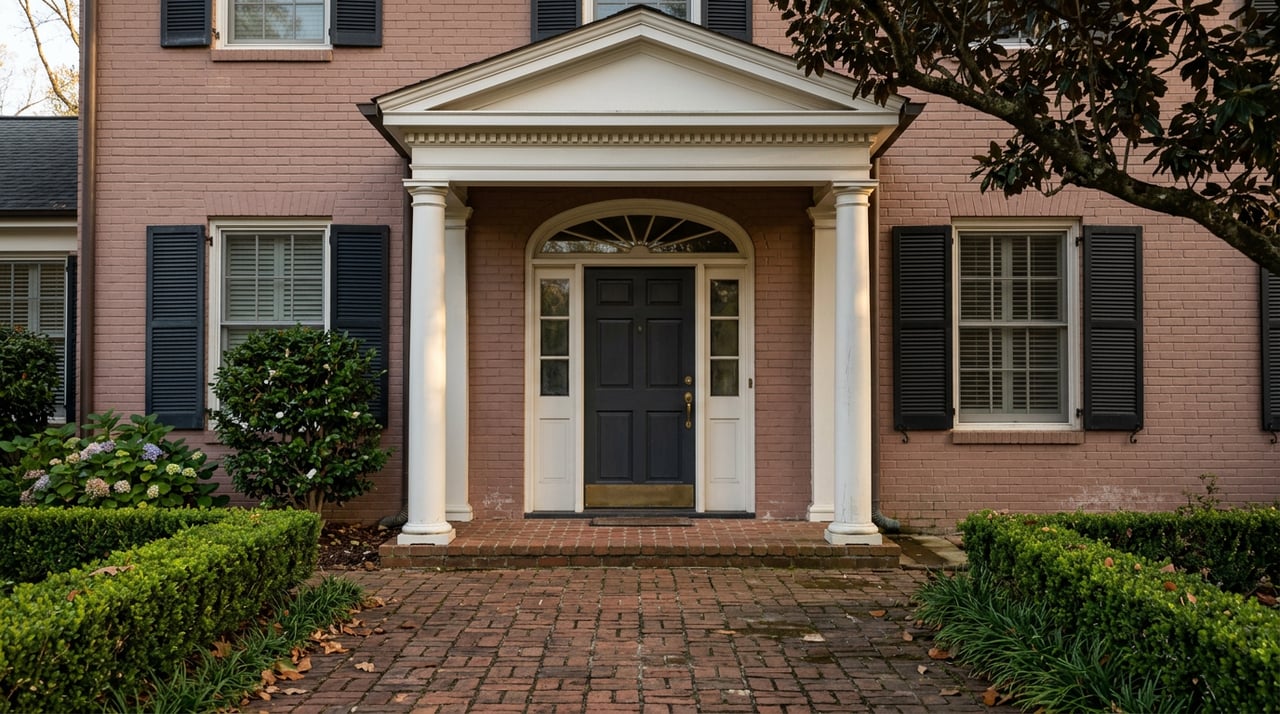
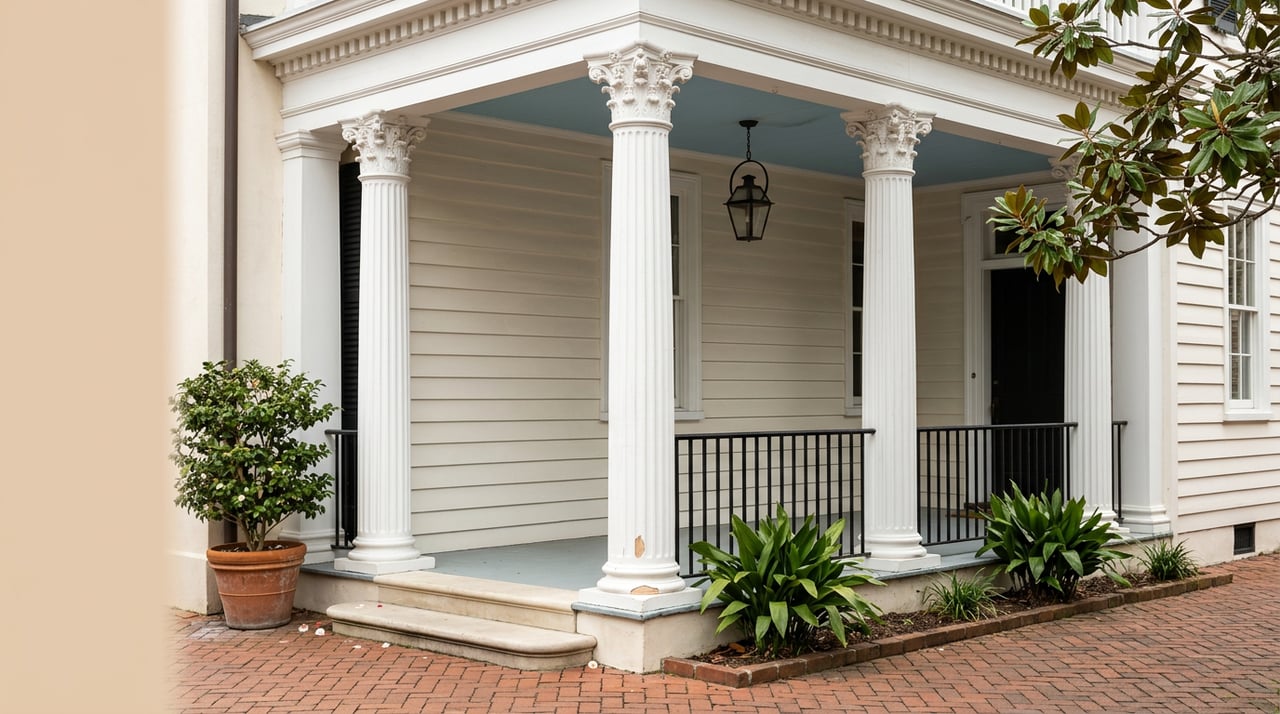
Housing here leans historic and character-rich. You will often find late 19th or early 20th-century styles, including Victorian and Colonial Revival influences, along with classic period bungalows. There are raised cottages and single-family homes with generous porches, plus some mid-century cottages and infill on subdivided lots. Mature landscaping and large shade trees define curb appeal.
Interiors and updates
Inside, many homes feature tall ceilings, hardwood floors, and floor plans that reflect their era. Systems in older homes can vary widely. You may evaluate updates to wiring, HVAC, insulation, and windows. Buyers often weigh the tradeoff of preserved character versus the scope of renovations needed. A pre-offer inspection strategy and a plan for phased improvements can help you budget smartly.
Preservation and permits
If any portion of your property search falls within a historic district or includes a listed property, you may need design review for exterior changes. Before planning a renovation, check City of Alexandria preservation rules and permit requirements, and review any local design guidelines that apply. Understanding these steps up front helps you protect value and avoid delays.
Getting around
Walking and biking
Many blocks include sidewalks and shade, and the neighborhood layout encourages casual walks, dog outings, and neighborly visits. True walk-to-everything living depends on your exact address. If walking is a priority, map a 10 to 20 minute radius to the services you use most.
Driving and parking
Alexandria is a car-forward city. Expect to rely on short drives for most errands and commuting. On-street parking is common, and some homes have private driveways. Narrower historic streets can feel tight at busy times, so test drive routes you will use daily.
Transit notes
Local transit options exist, and routes may shift over time. If you plan to use the bus, check current schedules and stop locations near the blocks you are considering. Because most residents drive, transit is often a supplement rather than a primary mode.
Green spaces and outdoor time
The neighborhood’s name fits its look. Large oaks, shade gardens, and porch swings frame daily life. Parks and playgrounds are typically a short drive away, and some homes sit within walking distance of small green spaces. Spring and fall are the sweet spots for outdoor gatherings, while summer shade and ceiling fans make porches more comfortable.
Everyday conveniences
Your staples are close at hand. Within a short drive you will typically find grocery stores, pharmacies, barbers and salons, dry cleaning, and small professional services. You can also expect regional medical centers and clinics within convenient driving distance, which simplifies routine care and urgent needs.
If you are mapping errands, identify the main commercial corridors you will use most, then time your drive during peak hours. This gives you a realistic view of weekday routines.
Community and culture
Older Southern neighborhoods often share a neighborly tone. You may find active churches, civic clubs, garden groups, or occasional block events. Some residents have lived here for years, and many newer owners are drawn by the architecture and established trees. Safety perceptions vary by block and by time of day, so review official crime maps and police reports for objective insight.
A practical buyer checklist
Use this quick list to evaluate the Garden District with confidence:
- Map boundaries and rules: Confirm the neighborhood outline, zoning, and any historic-preservation requirements before you bid.
- Walk your daily loop: Trace a typical day, from morning coffee to errands and dinner, and time the routes you will use most.
- Inspect systems: For older homes, review electrical, plumbing, HVAC, insulation, and roof age. Ask for permits tied to major upgrades.
- Weigh updates: Identify which improvements deliver comfort and value first, for example HVAC performance and insulation.
- Assess drainage: Review FEMA flood-zone information, local drainage patterns, and recent rain events that matter for your block.
- Parking and access: Check driveway width, on-street parking norms, and how two-way traffic flows around narrow streets.
- Noise and light: Visit at different times to gauge ambient noise, lighting, and traffic during evenings and weekends.
- Insurance planning: Speak with an insurer about coverage types and costs for older homes, including flood considerations where relevant.
Design-minded considerations for older homes
A design-first approach helps you honor character while adding comfort and value. Consider these targeted upgrades:
- Climate comfort: Energy-efficient HVAC, attic insulation, and weatherstripping that preserve original windows where possible.
- Kitchen and bath updates: Timeless finishes and layout tweaks that match the home’s era, avoiding trendy choices that date quickly.
- Lighting and landscape: Layered lighting for tall-ceiling rooms, with landscape updates that highlight the oak canopy and porches.
- Smart preservation: Repair and refinish original floors and trim rather than replace. This keeps the soul of the home intact.
Thoughtful design choices allow you to enjoy the neighborhood’s historic character while living easily day to day.
Next steps
If the Garden District’s shade, porches, and quiet rhythm match your style, start with a block-by-block tour and a focused look at systems, renovation scope, and insurance. If you are comparing historic neighborhoods across Louisiana or want guidance on design-forward updates that protect value, connect with a team that specializes in character homes. For a high-touch, design-led approach to buying or preparing a historic property, reach out to The Martzolf Group.
FAQs
Is Alexandria’s Garden District the same as New Orleans’ Garden District?
- No. Alexandria’s Garden District is a distinct, locally known neighborhood in central Louisiana, separate from the New Orleans neighborhood of the same name.
What types of homes are common in Alexandria’s Garden District?
- You will often find late 19th and early 20th-century styles, including Victorian, Colonial Revival influences, and period bungalows, plus some mid-century cottages and later infill.
How walkable is the Garden District in Alexandria?
- Many blocks are pleasant for walking and dog outings, though most residents still rely on short drives for errands and commuting.
Are there historic renovation rules for homes here?
- If a property is in a designated historic area or listed, exterior work may need design review and permits, so check City of Alexandria preservation and permitting guidelines first.
What should I expect from the weather in Alexandria?
- The climate is humid subtropical with hot, humid summers and mild winters, so plan outdoor time for mornings and evenings in the summer and enjoy spring and fall for porch life and walks.