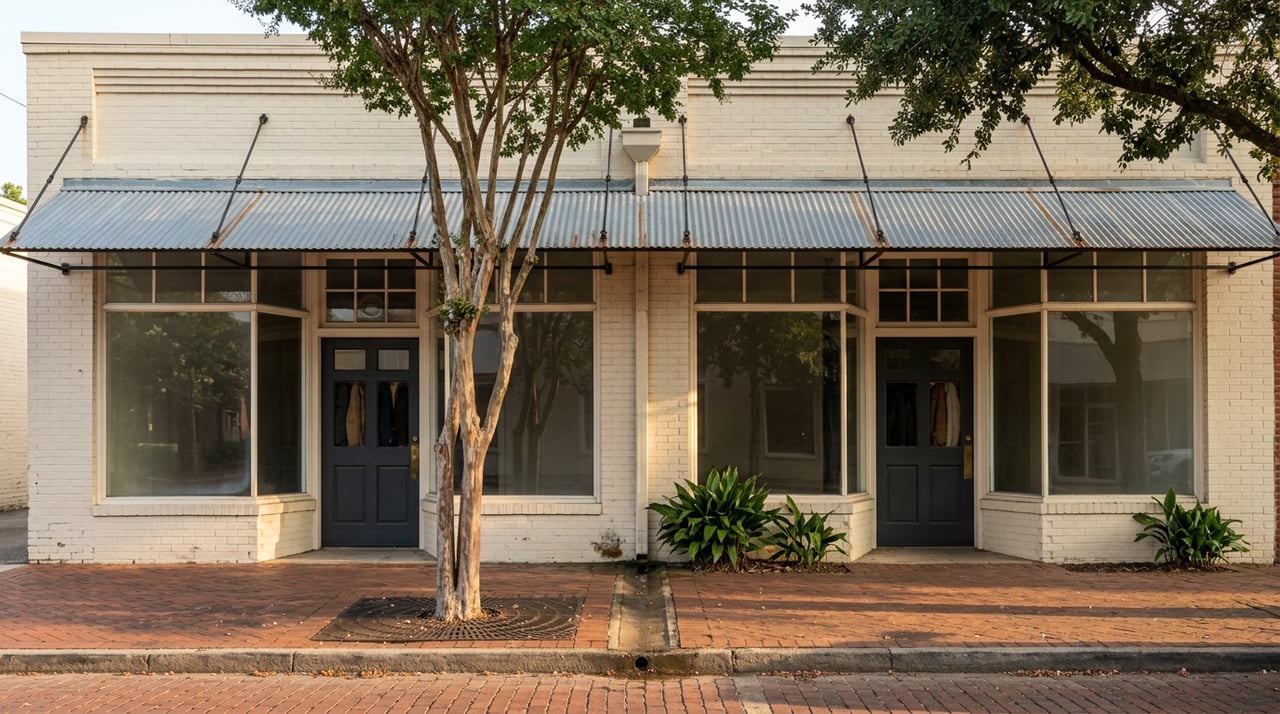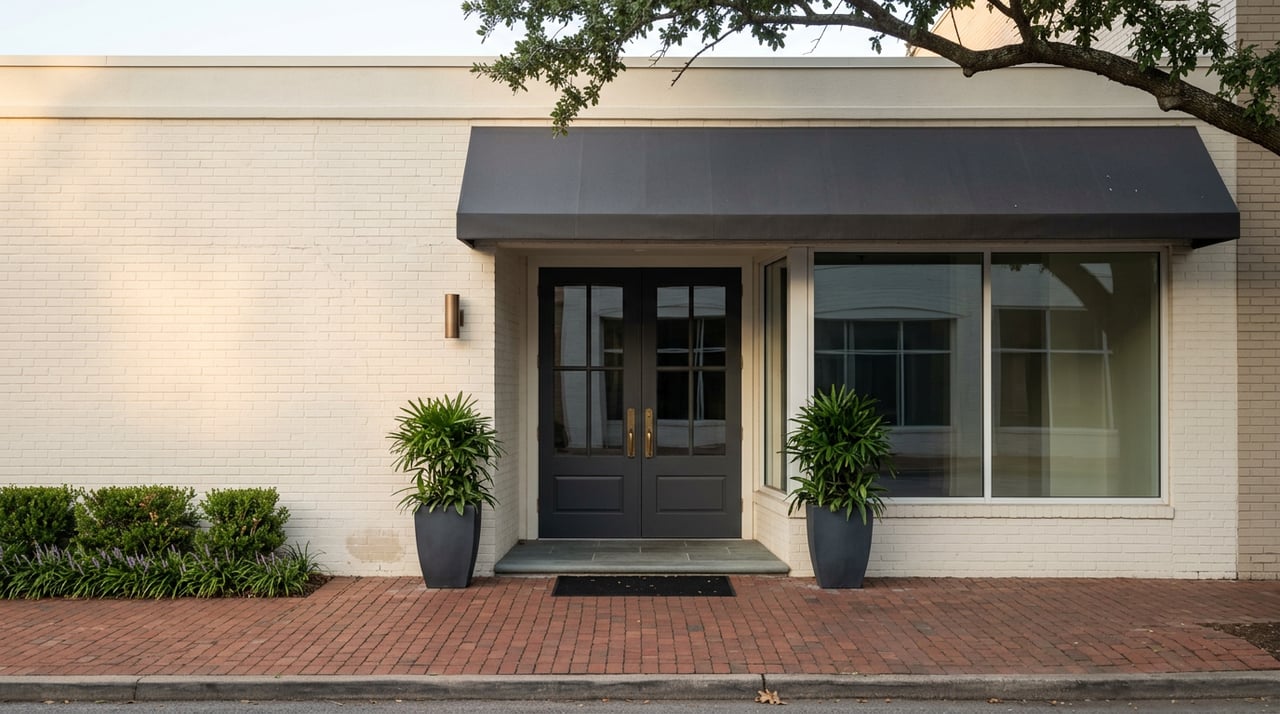
The New Orleans City Planning Commission does not usually put a stretch of Uptown restaurant real estate in writing. But when a developer proposed a cluster of shipping-container restaurants on an empty lot at 4730 Freret Street, the commission's rejection was blunt: the design "drastically departs from the character of Freret Street" because the layout "breaks the rhythm and fabric of the street by not providing building facades to the edge of the sidewalk."
That sentence is worth sitting with if you live anywhere near Freret. It tells you the city sees this particular block as something worth protecting on its own terms, not just a strip of storefronts that can absorb whatever gets proposed next. And it sets up the real story of Freret Street in 2026, which isn't the one you'd guess from a quick scroll through restaurant news. The street isn't being remade by outsiders. It's being doubled down on by the people who already bet on it once.
The Project That Made the City Say No First
That rejected proposal is Bohemia Gardens, a culinary park planned for the grass lot near Humble Bagel. The concept called for three restaurant concepts built into shipping containers, plus a separate bar container, hammocks, swings, concrete ping pong tables, and eventually fire pits and retractable pergolas. Developer Billy Blatty, who also opened Barcadia, Belle's Diner, and Sofia's, had to revise the plans before the commission would sign off, adjusting the layout so it stopped reading as an industrial pod dropped onto a residential-scale street.
The project is still working its way toward actually opening its containers, but the fight over it already told the neighborhood something useful. Freret Street's sidewalk-to-facade relationship, the thing that makes it walkable rather than just drivable, isn't incidental. It's the line the city is willing to enforce even against a well-funded, well-connected developer with a track record of successful openings elsewhere on the same street.
The Same Two Names Keep Showing Up on the Block
Compare that friction to how the street's two biggest 2026 openings actually happened. Neither needed a fight, because neither was really new to the block.
Dolfy's opened in March 2026 at 4508 Freret Street, a wood-fired, Basque-inspired restaurant from chef Adolfo Garcia Jr. and his partner Sophia Petrou Garcia. Garcia grew up around Spanish and Latin cooking at his father's restaurant RioMar in the Warehouse District, spent a decade in acclaimed New York kitchens including Momofuku Ma Pêche and The NoMad, then came home to New Orleans in 2024. His first move back wasn't Dolfy's. It was Chi Chi's, a Korean fried chicken and beer spot he and Petrou opened together that quickly built a following. Dolfy's sits just steps from it. The same two people who tested the block with one concept came back to build the ambitious one on the same stretch, once they knew the block would support it.
Studio follows the same logic from a few blocks over. The steakhouse and butcher shop at 4734 Magazine Street, on Uptown's other major restaurant corridor, is a collaboration between Tal Sharon of Tal's Hummus and Dori of Doris Metropolitan. Sharon's original restaurant sits just across the street from the new one. He'd also owned the two previous concepts at that exact address, Son of a Bun Burger Bar and Misa, before deciding the corner deserved another attempt rather than a different location entirely. Studio was still appearing on Resy's monthly Hit List of standout New Orleans openings in the February 2026 update, which suggests it wasn't a flash-in-the-pan launch riding on novelty.
Neither of these openings shows up in a typical "what's new" roundup as anything other than a fresh name on a map. But the pattern behind them, chefs who already have a working restaurant two doors down choosing to reinvest rather than relocate, is the more interesting fact. It means the growth on Freret Street right now is being financed by people who've already seen the block's foot traffic up close, not by outside capital betting on a trend line.
The One Real Exception
Not every change on the street fits that pattern, and the exception is worth naming because it cuts the other way. Barcadia, the arcade bar and attached Ohm Lounge that had anchored a corner of the strip for sixteen years, closed. The space is becoming the first New Orleans location for Mister Oso's, a brand with no previous footprint here.
That's a genuinely different kind of bet than Dolfy's or Studio. It's an outside operator choosing Freret Street as the place to make their New Orleans debut rather than a proven local chef extending a footprint they already have. Whether that signals the next phase of growth on the street, outside brands treating Freret as a validated location rather than a discovery, is the one open question this year's turnover leaves unanswered. For now it's a single data point, not a trend.
What Hasn't Moved
The businesses that made Freret Street a restaurant row in the first place are still exactly where they've always been, which matters more than it sounds like it should. A street can absorb a lot of new construction and even a Planning Commission fight without losing its identity as long as its anchors hold. On Freret, those anchors include:
- Cure, the cocktail bar that won a James Beard Award for Outstanding Bar Program and has landed on both the World's 50 Best Bars and North America's 50 Best Bars lists
- Humble Bagel, the hand-rolled, kettle-boiled bagel shop sitting right next to the still-developing Bohemia Gardens lot
- The monthly Freret Street Art Market at Napoleon Avenue, where local artisans set up for jewelry, art, and food pop-ups
- The annual Freret Street Festival, a free spring block party that's become a fixture since a 2009 revival turned a quiet, mostly residential stretch into a corridor now home to more than 32 restaurants, bars, coffee shops, and commercial storefronts between Jefferson and Napoleon
None of those four had to fight a rezoning request or attract a chef with New York credentials to stay relevant. They were already the reason people came to the block, and the newer openings are building around them rather than replacing them.
What This Means If You Live Here
If you live in earshot of Freret Street, the practical read on 2026 is this: what looks like a wave of new restaurants is mostly proven operators expanding their own footprint on a strip they already trust, layered on top of the same handful of longtime anchors that never left. The one genuine outside bet, Mister Oso's stepping into the old Barcadia space, is worth watching precisely because it's the exception rather than the rule. And the one project that actually tested the street's limits, Bohemia Gardens, did so by proposing something that broke with how buildings meet the sidewalk here, which the city was unwilling to let slide even for a developer with a strong track record.
That's not a story about a neighborhood changing character. It's a story about a neighborhood's character being specific enough that both the people investing in it and the people regulating it can tell the difference between growth that fits and growth that doesn't.
If you're weighing what a stretch like Freret Street actually does for day-to-day life in Uptown, or you're curious how a street's commercial identity holds up against the kind of scrutiny that shaped Bohemia Gardens, that's the sort of neighborhood-level read the team at The Martzolf Group builds into every conversation with buyers and sellers here. Request Your Home Valuation and we'll walk you through what a block like this one actually means for a home nearby, not just what the median says.