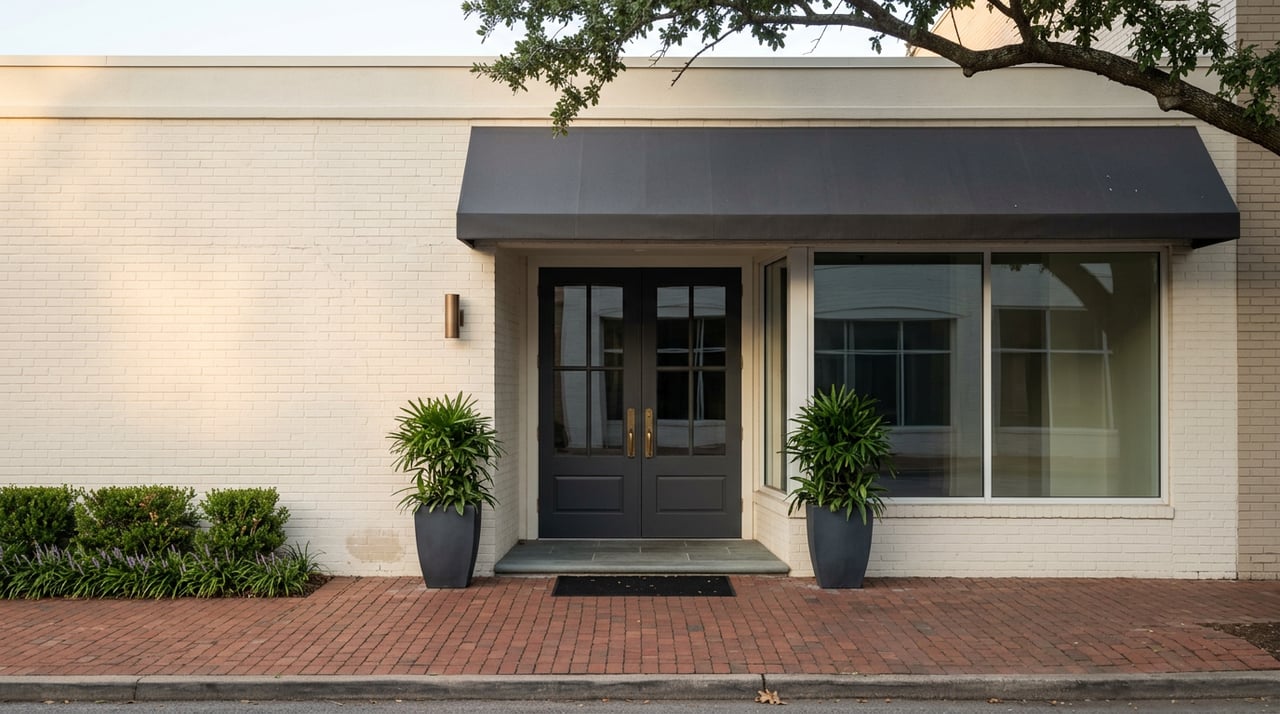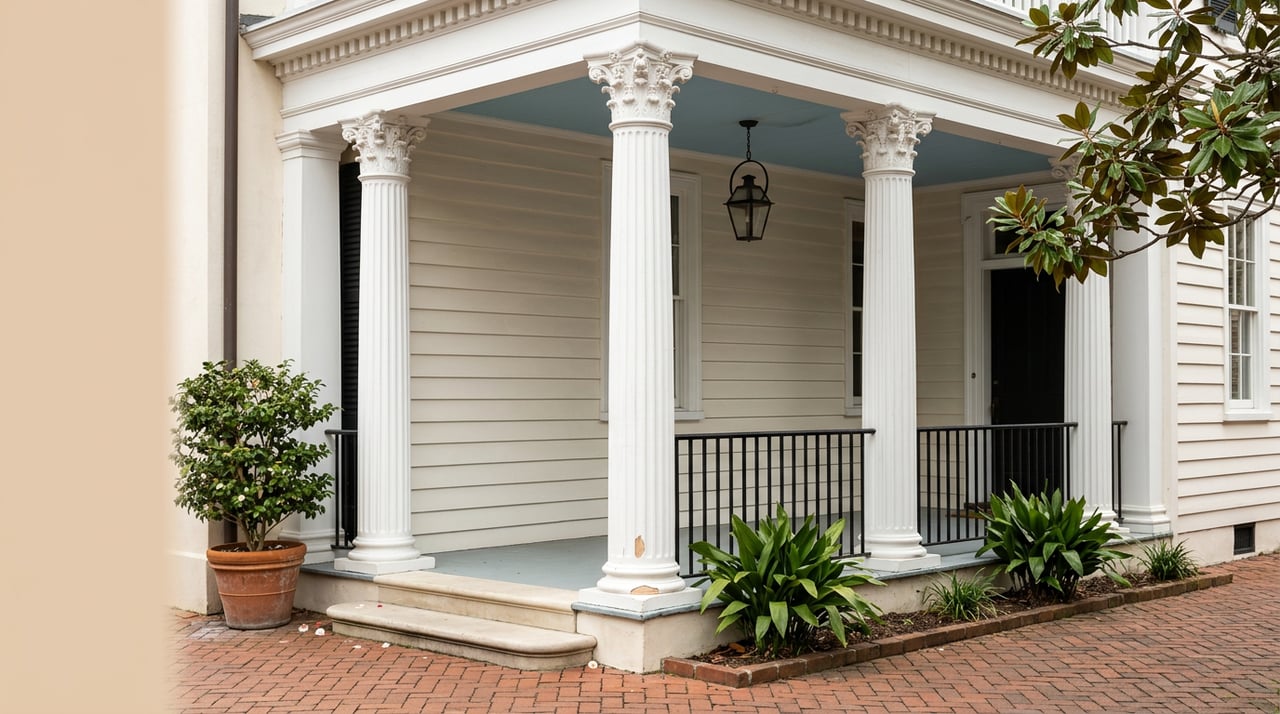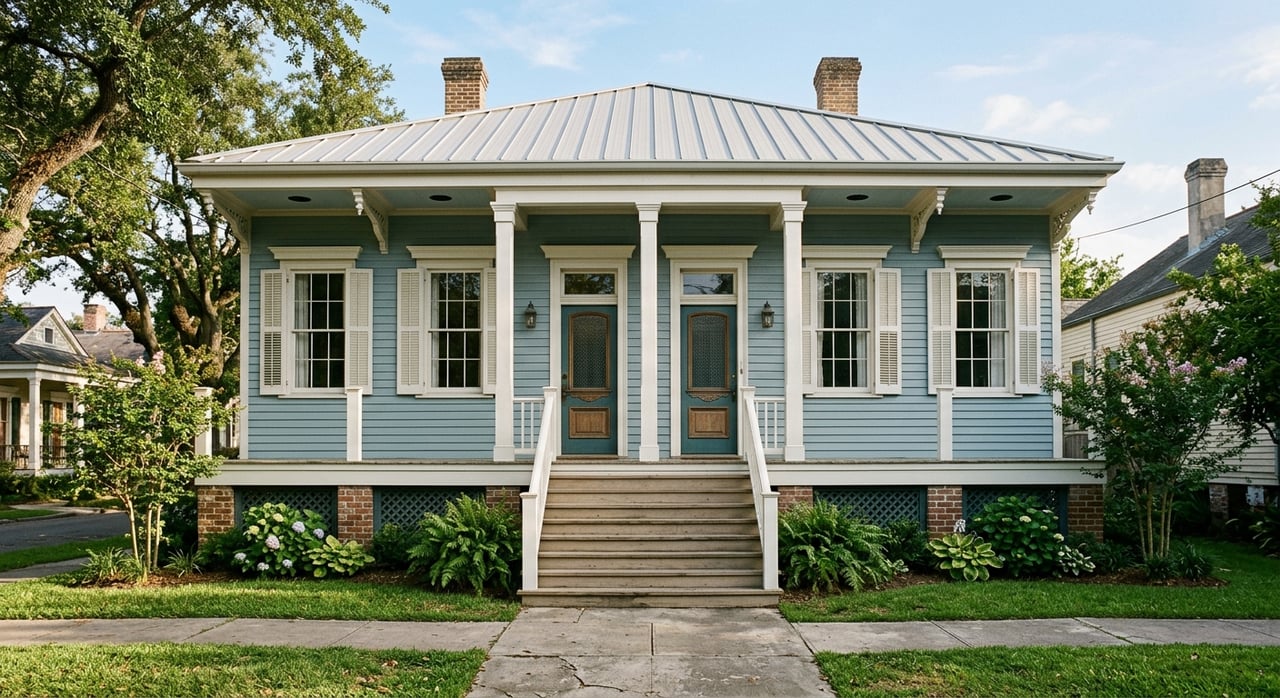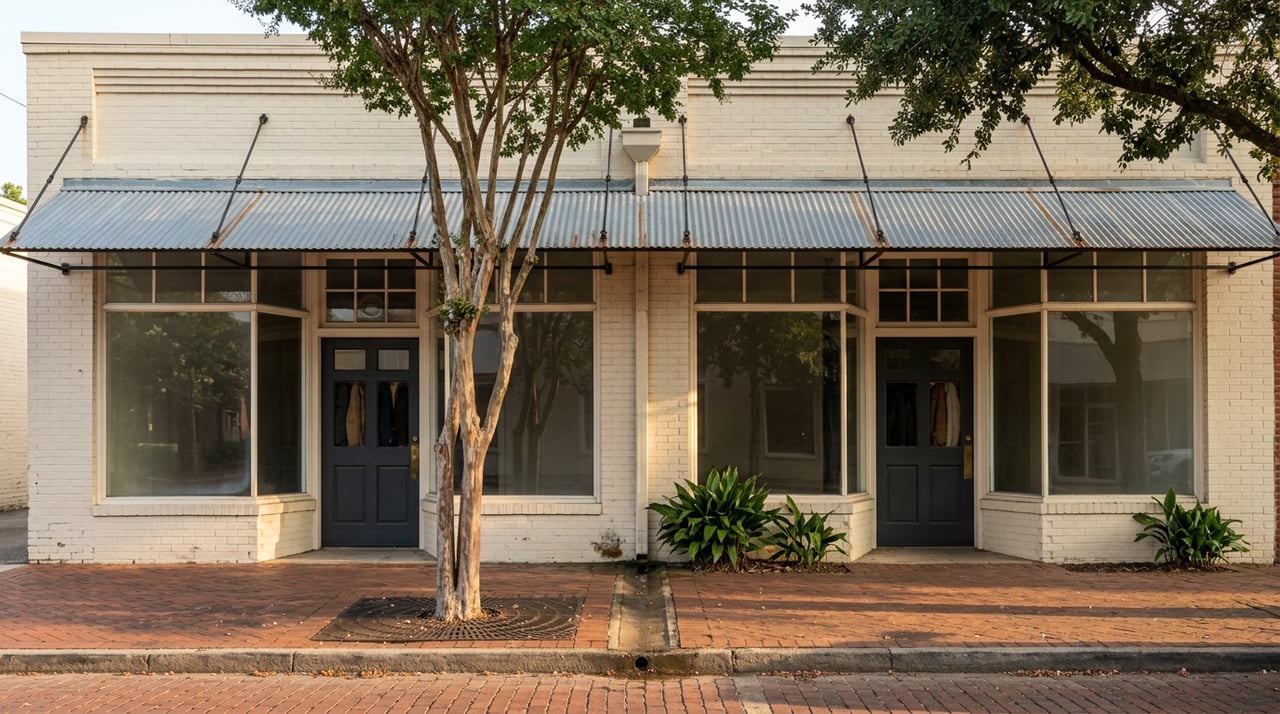
On April 16, 2026, a crowd gathered on the neutral ground where Oak Street meets Carrollton Avenue, just steps from the streetcar stop, to watch confetti fly toward Rue de la Course as a green ribbon came down on a new bronze historical marker. Breads on Oak cofounder Chamain O'Mahony cut the ribbon. Her business partner, Sean O'Mahony, talked to the crowd about the businesses that built the street. A second marker went up that same afternoon at the Oak, Eagle, and Leake triangle a few blocks away.
Two months later, a different kind of announcement circulated on social media. 14 Parishes, the Jamaican restaurant that had spent five years on Oak Street, posted that Sunday, June 21, 2026, would be its last day of service at that location. The post thanked "customers, neighbors, employees, artists and supporters" and promised the closing wasn't the end, just a new chapter.
If you live near Oak Street, you probably noticed both. Most people who don't live here would assume those two events cut against each other: a historic designation on one hand, a closed storefront on the other. They don't. The marker and the closing are the same story, and understanding why tells you something about this street that the plaques themselves don't spell out.
Who Actually Made This a Historic District
The designation didn't come out of a city planning office. It came from the Oak Street Merchants, Residents and Property Owners association, known locally as OSMRPO, the same nonprofit that has run the neighborhood's festivals for years. The research behind the markers was commissioned back in 2021, when OSMRPO hired Tulane historical geographer Richard Campanella to document the street's history. The markers themselves were funded through a grant from the New Orleans Recreation and Culture Fund.
That matters if you're picturing something like the design-review process that governs the French Quarter, where the Vieux Carré Commission has authority described by the Preservation Resource Center as reaching "anything the air touches," including courtyards not visible from the sidewalk, and where exterior paint colors need approval before anyone picks up a brush. Oak Street's new status isn't that. It's a civic and historical recognition, installed as two physical signs, produced by the neighborhood's own merchants rather than imposed as a zoning overlay. Nobody on Oak Street needs design approval to swap a sign or repaint a storefront because of what happened on April 16.
What the designation does is put an official stamp on something residents and shop owners already understood: an eight-block stretch, running from Carrollton Avenue to Eagle Street, has held its identity together for close to two centuries, and it did that without ever standing still.
What Campanella Found When He Went Looking
Campanella's research traces Oak Street back to 1833, when it was laid out as Fourth Street in Charles Zimple's original plan for the town of Carrollton, an independent city until New Orleans annexed it in 1874. The street got its current name in 1894. For most of its life, Campanella describes it as functioning exactly like a small town's main drag, supplying groceries, haircuts, and clothing to people who lived too far from the bustle of Canal Street to shop downtown.
"I find Oak Street to be a delightful transect of urbanism at its best."
That's Campanella's own framing, drawn from the residential blocks near Broadway giving way to the commercial stretch that starts at South Carrollton. He's spent more than three decades studying the city, and his stated hope for the new markers is simple: that they help people appreciate the street's small-town feel and send them into the shops and restaurants that keep it running.
That last part is worth sitting with, because it's an admission built into the designation itself. The thing being protected isn't a set of facades. It's foot traffic into working businesses. A building with locked doors doesn't preserve anything Campanella was researching.
The Closing That Proves the Point
Oak Street's own history backs this up better than any plaque could. As cars made it easy for Carrollton residents to drive to newer suburbs to shop, Oak Street went through a stretch where its buildings sat empty or came down entirely. A renewed interest in the 1970s and '80s brought it back. Then, according to the street's own recorded history, the renovations that followed Hurricane Katrina led to another wave of new businesses filling in behind the old ones. A government-funded streetscape project in 2009 rebuilt the stretch between Carrollton and Leake avenues, and what came after was less about restoration than replacement: new storefronts moving into buildings that had housed something else entirely.
14 Parishes closing this June fits that same pattern, not an exception to it. Ten years in business, five of them on Oak Street, and the owners chose to frame the closing as a turn of the page rather than an ending, noting they're already at work on what comes next. That's the same rhythm the street has run on since the 1970s: a business leaves, something else moves in, and the corridor keeps its shape because the shape was never about any single tenant.
If you've watched a storefront near you change hands more than once, this is the context that makes it feel less like erosion and more like how Oak Street has always worked.
The Footprint, in Plain Terms
A few facts worth knowing if you're on this stretch regularly:
- The historic district recognized in April covers the eight blocks between Carrollton Avenue and Eagle Street.
- The corridor OSMRPO actively manages for commerce and events runs a little further, between South Carrollton and Leake avenues.
- More than 60 businesses operate along that stretch, a figure that has held steady for years even as individual tenants have turned over.
- The Carrollton Avenue streetcar line runs right past the Carrollton end, which is part of why the marker sites were chosen where they were, to catch both Orleans and Jefferson Parish traffic entering the district.
- Anchors that predate this year's news by decades are still there: Maple Leaf Bar, hosting live music since 1974, and Jacques-Imo's Café, open since 1996.
None of that is dramatic on its own. Taken together, it's the reason a merchants' association could commission five years of historical research and end up with a designation that's really just formal permission to keep doing what the street has done since Katrina: let businesses come and go while the corridor itself stays legible as a corridor.
What's Left on the Calendar This Year
The clearest test of that continuity is already scheduled. The 18th Annual Oak Street Po-Boy Festival, presented by Tony Chachere's, runs Sunday, November 8, from 10 a.m. to 6 p.m., between the 8100 and 8700 blocks. That date is itself a small example of the pattern: organizers announced a change from the festival's usual slot earlier this year, and the event absorbed it without missing a season, a shift confirmed by WGNO's reporting on the move. The festival has run every fall since 2007, drawing what organizers describe as upwards of 50,000 people to sample dozens of vendors, and proceeds again benefit Son of a Saint, the mentorship nonprofit that's been the event's charitable partner for years.
By the time the marker at Oak and Carrollton marks its first anniversary next April, the street will have hosted a festival under its new date, absorbed whatever comes next after 14 Parishes, and almost certainly seen at least one more storefront change hands. That's not a threat to the designation. It's the designation working exactly as Campanella's research suggests it should.
If you're the kind of person who tracks these changes on your own street because you actually live there, you already know Oak Street's real continuity was never about which restaurant occupies which address. It's about the corridor staying a corridor, block after block, decade after decade. That's a harder thing to put on a bronze sign, but it's the thing worth knowing.
If you're weighing what a street like this is worth, or thinking about a move within Uptown and want a read on how a specific block holds its character over time, The Martzolf Group spends its days in these neighborhoods. Request Your Home Valuation when you're ready to talk specifics.