Owning a piece of the French Quarter is both a privilege and a responsibility. You get unmatched character, courtyards, and ironwork that tell the story of New Orleans. You also take on a clear set of rules, maintenance habits, and planning steps that protect that story for the long term. This guide breaks down what to expect day to day, how approvals work, and smart ways to plan upgrades and costs. Let’s dive in.
What makes Vieux Carré homes unique
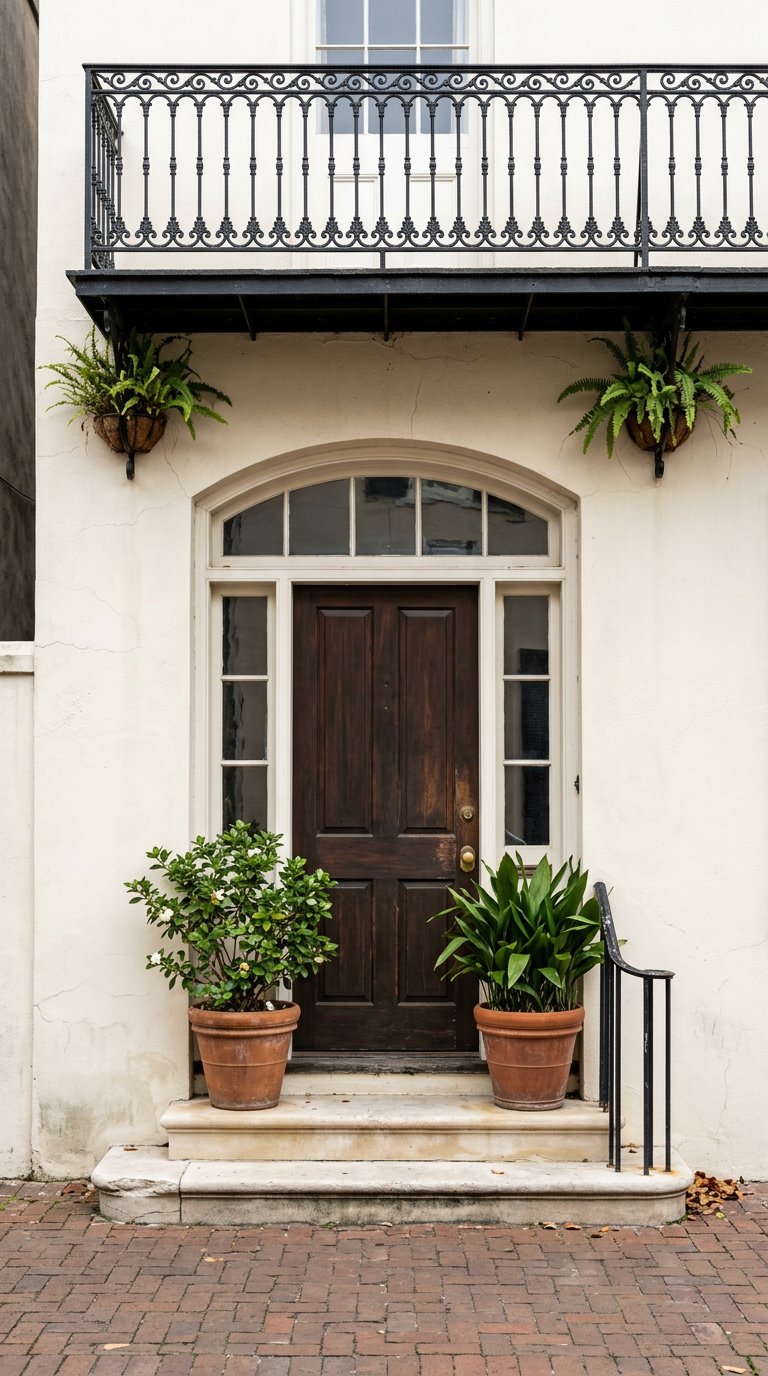
The Vieux Carré is one of the most important historic districts in the country. Its buildings reflect Creole, Spanish, and American traditions layered over centuries. You will see galleries and balconies, cast‑iron and wrought‑iron railings, small courtyards, stuccoed masonry, and raised thresholds. For a concise overview of these building types and features, review the National Park Service’s profile of the neighborhood’s history and architecture. Explore the Vieux Carré’s defining characteristics.
Many French Quarter homes use older materials and methods. Lime mortar, soft brick, cypress and other historic woods, historic plaster, and traditional window assemblies behave differently than modern products. This affects repair choices and costs. Routine care matters, because moisture, salt, and insect damage can escalate when maintenance is deferred.
How reviews and permits work
The Vieux Carré Commission (VCC) is the local review body that oversees exterior work in the district. The VCC maintains formal design guidelines and requires permits for most changes to exterior fabric and site elements. Before you plan paint, window work, balcony repairs, masonry treatments, or visible rooftop or equipment changes, study the guidance. Start with the VCC Design Guidelines.
Life‑safety and structural work also require City building permits and inspections. In many cases, your plan set must be prepared by a Louisiana‑licensed architect or engineer. VCC approvals are a separate step that often comes first or runs in parallel. Build extra time into your schedule so the reviews stay coordinated.
Expect review of exterior appearance, windows and doors, balconies and galleries, masonry and stucco treatments, visible rooftop additions, rooftop decks, and new exterior mechanical or solar equipment. The VCC prefers repair and in‑kind replacement for character‑defining elements. Early conversations with VCC staff can save time and rework.
The VCC also enforces against demolition by neglect. Emergency stabilizing repairs are possible, then you file follow‑up permits and documentation. Owners who keep up with preventive maintenance avoid violations and larger costs later.
Short‑term rentals: verify early
Short‑term rental rules in New Orleans have shifted often, and the Vieux Carré has some of the tightest limits. Never assume a listing calendar means a permit exists. Confirm current rules with the City’s Short‑Term Rental Administration and verify what is legal for a specific address. For context on how rules have changed, review a Louisiana court decision related to recent STR regulations. Read the court’s discussion of STR rules and changes.
Day‑to‑day stewardship and maintenance
Good stewardship is about small, steady habits. You will budget for periodic exterior painting of woodwork, regular roof checks, gutter and downspout cleaning, and inspection of ironwork. Plan for timely repointing of deteriorated mortar with compatible mixes and prompt termite and wood‑decay treatments when needed. The VCC encourages owners to follow routine maintenance checklists.
Make moisture control your top priority
Water is the top long‑term risk in older buildings. You will focus on roof drainage, flashing, and keeping water away from masonry and wood. Avoid impermeable coatings that trap moisture in historic materials. For practical strategies, see Preservation Brief 39 from the National Park Service on diagnosing and controlling unwanted moisture. Learn proven moisture‑control methods.
Use trades that know historic materials
Older brick and lime mortar need compatible repairs, not hard Portland mixes that can damage soft brick. Gentle cleaning is the rule. Wood elements are often repaired in place rather than fully replaced. Historic windows can be weather‑stripped, re‑puttied, and paired with storms for energy savings without losing original fabric. Hire contractors with demonstrated experience on similar buildings in the Quarter.
Planning a renovation
A clear sequence keeps projects on track and minimizes surprises. Consider this approach:
- Research before you buy. Request the VCC property file and look at historic photos, prior permits, and the building’s significance in the Vieux Carré Virtual Library. Search the Vieux Carré Virtual Library.
- Meet with VCC staff early. An informal pre‑application conversation often prevents redesigns later and can identify what may go to the Architectural Committee or full Commission.
- Engage preservation‑experienced professionals. An architect or architectural historian who works to the Secretary of the Interior’s Standards will help align your scope with review expectations. Review the Secretary’s Standards for Rehabilitation.
- Submit for permits and plan for review cycles. Build time for comments, revisions, and coordination with City permits and inspections.
Finding the right help
Seek teams that can document existing conditions, design minimally invasive interventions, and speak the language of preservation. The Preservation Resource Center offers homeowner resources, referrals, and program guidance. Explore PRC’s homeowner support and contractor resources.
Tax incentives overview
If you are rehabilitating an income‑producing historic property, the Federal Historic Rehabilitation Tax Credit can offset a portion of qualified costs when your project meets the Standards and passes the certification process. It is document‑intensive and must be coordinated through the State Historic Preservation Office and the National Park Service. Understand the basics of the federal historic tax credit.
Louisiana also offers state rehabilitation tax credits, which have changed over time and can include commercial and residential programs. Reservation windows, caps, and carryforward rules can shift. Confirm current terms with the Louisiana Division of Historic Preservation early in your planning. Check current Louisiana historic tax incentives.
Insurance and flood risk
Confirm your property’s flood zone and Base Flood Elevation using FEMA’s Flood Map Service Center. If your home is in a Special Flood Hazard Area and you have a federally backed mortgage, flood insurance is typically required. While many French Quarter properties sit on the historical natural levee, flood risk and storm surge remain real. Get quotes early and keep elevation certificates and any LOMA/LOMR documents with your records. Verify your flood map panel and BFE.
Costs, timelines, and common surprises
Specialized historic work often costs more than standard replacements. Lime‑mortar repointing, custom woodwork, and iron fabrication require skilled trades and lead time. VCC and City reviews add calendar time as well, especially for visible changes or structural work. Plan for schedule variability and avoid last‑minute deadlines.
Hidden issues are common in older buildings. You may uncover concealed rot, undersized structural members, obsolete wiring, or undocumented past changes. Build a contingency for both time and budget. Preservation‑experienced professionals will help phase work to protect historic fabric while addressing safety and performance.
Buyer and new‑owner checklist
Use this quick list to set up your due diligence and first‑year plan:
- Request the VCC property file and search the Vieux Carré Virtual Library for images, notes, and prior permits.
- Ask the seller for copies of past VCC approvals and confirm whether any violations exist.
- Order full inspections by pros experienced with historic homes: structure, roof, plumbing, electrical, and termite. Ask about material compatibility issues.
- Verify flood zone and BFE via FEMA, and collect any elevation certificates. Get flood insurance quotes early.
- If you plan to rent, verify current short‑term rental rules and whether a legal permit exists for this address. Never rely on listings alone.
- If you plan a rehabilitation that could qualify for credits, contact the Louisiana Division of Historic Preservation and your tax advisor early. Reserve program slots as required.
- Meet informally with VCC staff before you finalize plans if your purchase depends on exterior changes.
Rules and programs change. For anything that could affect your decision or scope, confirm current requirements directly with the VCC, the City’s Short‑Term Rental Administration, the Louisiana Division of Historic Preservation, and FEMA. When in doubt, consult a preservation‑experienced architect or attorney for project‑specific advice.
Ready to explore a historic home in the Quarter with a team that understands both design and stewardship? Connect with The Martzolf Group for buyer guidance, white‑glove transaction management, and design‑forward renovation advice tailored to New Orleans architecture.
FAQs
What should I know before changing windows in the French Quarter?
- The VCC typically prefers repair and in‑kind replacement for historic windows, with detailed drawings for any proposed changes. Consider storm windows as a reversible energy upgrade.
Can I choose any exterior paint color on a Vieux Carré home?
- No. Exterior paint colors and finishes are subject to VCC review. The guidelines outline color selection and application standards for woodwork and site elements.
Are rooftop decks or solar panels allowed in the French Quarter?
- Possibly, but visibility from the public right‑of‑way is critical. The VCC and national preservation standards emphasize designs that minimize visibility and protect the building’s historic character.
Are short‑term rentals allowed in the Vieux Carré today?
- Rules have changed over time and the Quarter has some of the most restrictive limits. Always verify current STR regulations and the legal status of a specific address before you buy or market a property.
Do French Quarter homes need flood insurance?
- It depends on the property’s mapped flood zone and your lender. Many homes are on higher ground, but flood risk exists. Confirm your FEMA flood map panel and BFE and speak with an insurance professional.