Thinking about updating a home in Gentilly Terrace’s Historic District? It can feel like a balancing act. You want better function, comfort, and resale appeal, but you also do not want to strip away the very character that makes the neighborhood special. The good news is that thoughtful renovation usually does not mean freezing a house in time. It means knowing which features carry the most architectural weight, which city reviews may affect your timeline, and how to make smart changes that still feel true to Gentilly Terrace. Let’s dive in.
Why Gentilly Terrace deserves a careful approach
Gentilly Terrace Historic District was listed in the National Register in 1999 and is recognized primarily for its architecture and engineering. The district developed as a 1909 streetcar and automobile suburb, and its key periods of significance run from 1900 to 1949. That history still shows up clearly in the streetscape today.
The area includes roughly 665 buildings, and almost all are residential. Of those, 544 are contributing buildings and 121 are noncontributing. The dominant style is Craftsman or California bungalow, followed by Colonial Revival, English Cottage, Eclectic, and a smaller number of Spanish or Mediterranean homes.
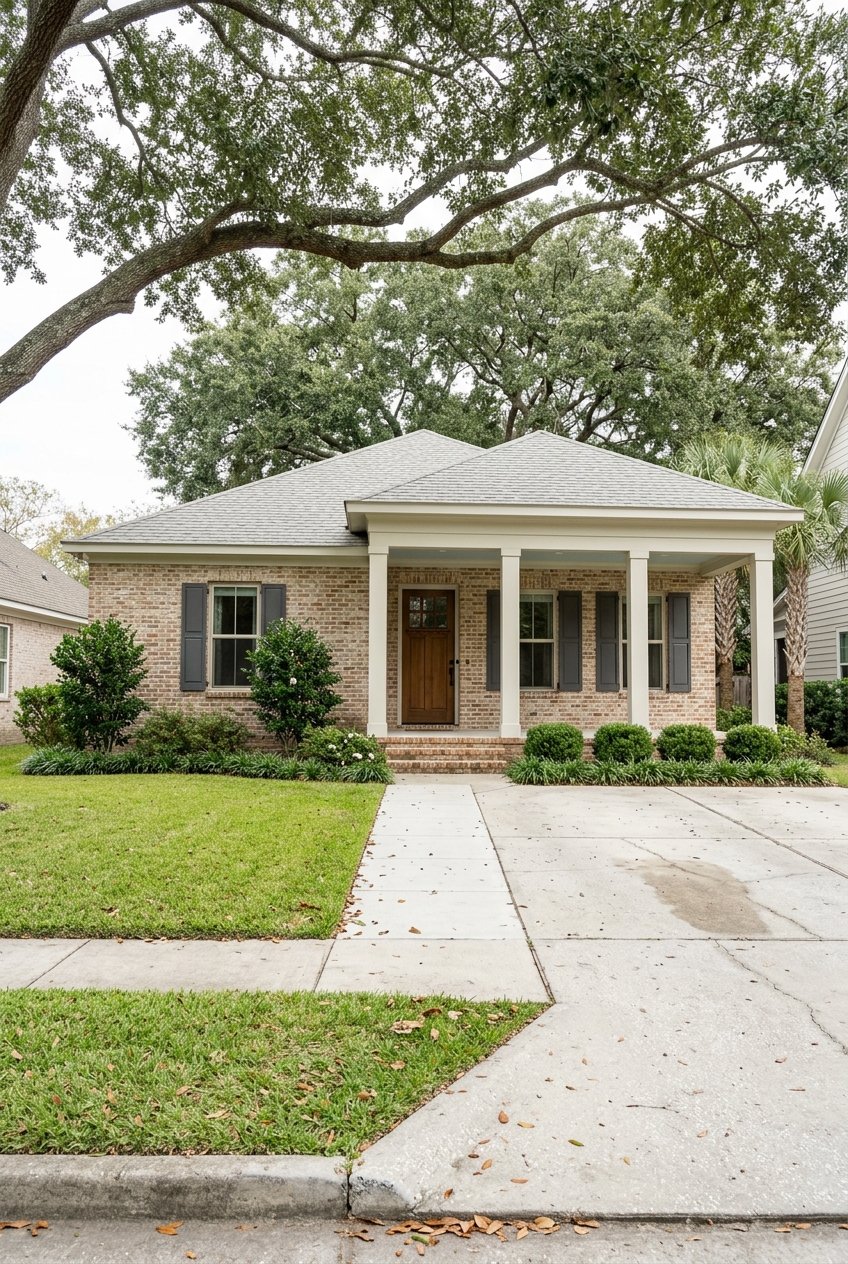
That mix gives Gentilly Terrace a distinct look. You see low-slung forms, front porches, broad rooflines, and homes that sit comfortably within terraced lots and front-yard settings. When renovations respect that pattern, the district reads more clearly and homes tend to feel more at home on their block.
What thoughtful renovation really means
In Gentilly Terrace, thoughtful renovation starts with the exterior character of the house. The district’s significance is tied heavily to how homes look from the street, including their massing, roof shape, porch design, siding, windows, trim, and overall profile. That means your biggest design decisions are often not the flashy ones.
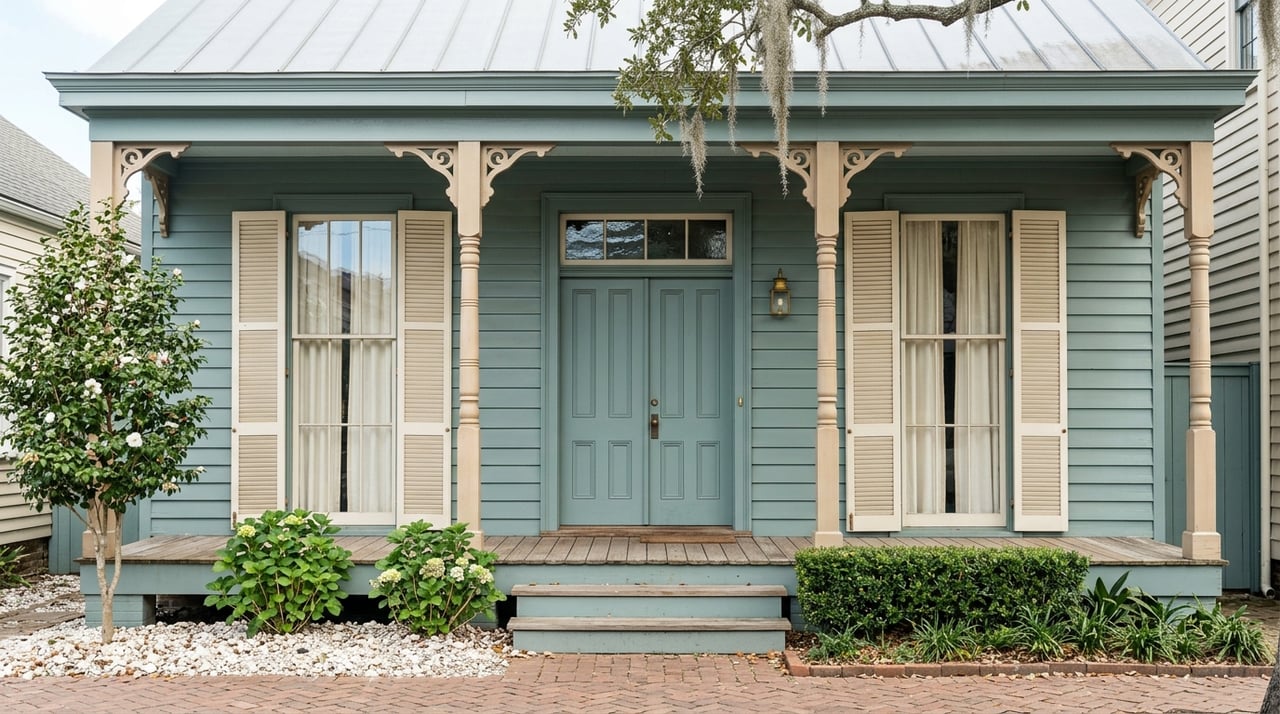
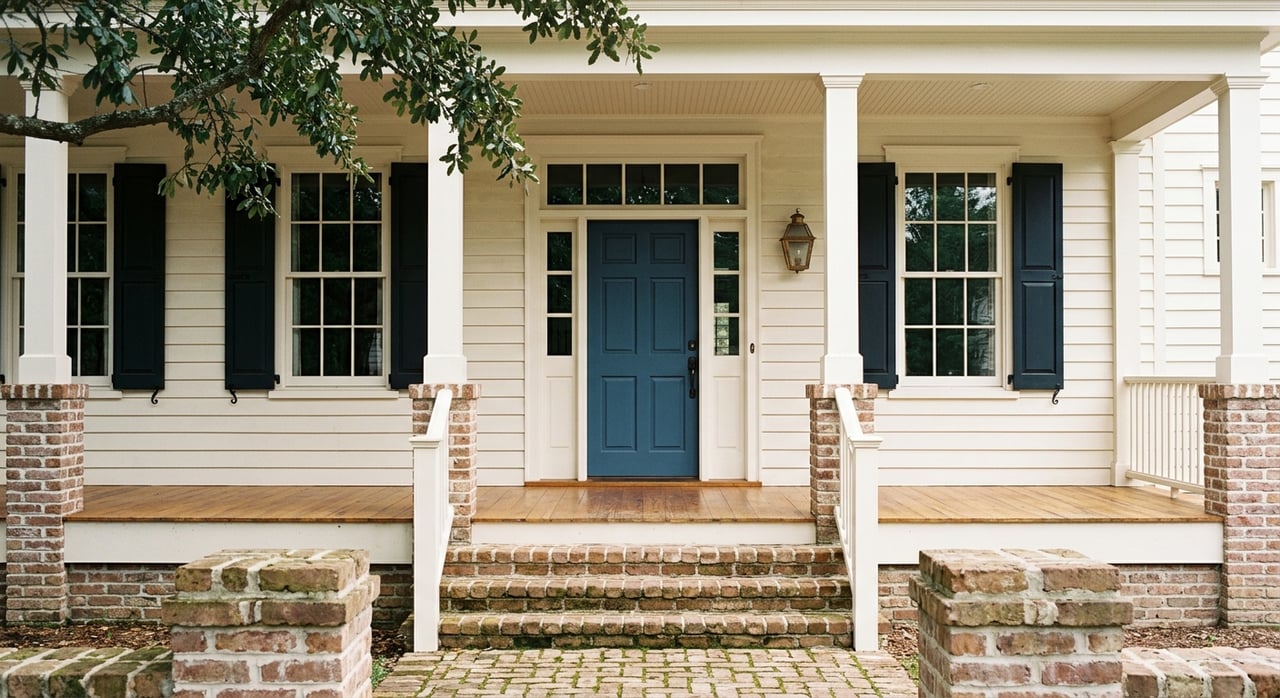
For many homes, the most important features include wide overhanging eaves, low dormers, multiple-gable bungalow rooflines, deep porches, grouped posts or Tuscan columns, brick or stucco piers, brackets, braces, latticework, and wood clapboard or shingle siding. Other homes may lean more Colonial Revival, English Cottage, or Spanish or Mediterranean in their detailing. The right renovation approach depends on the house you actually have, not the trend you want to apply to it.
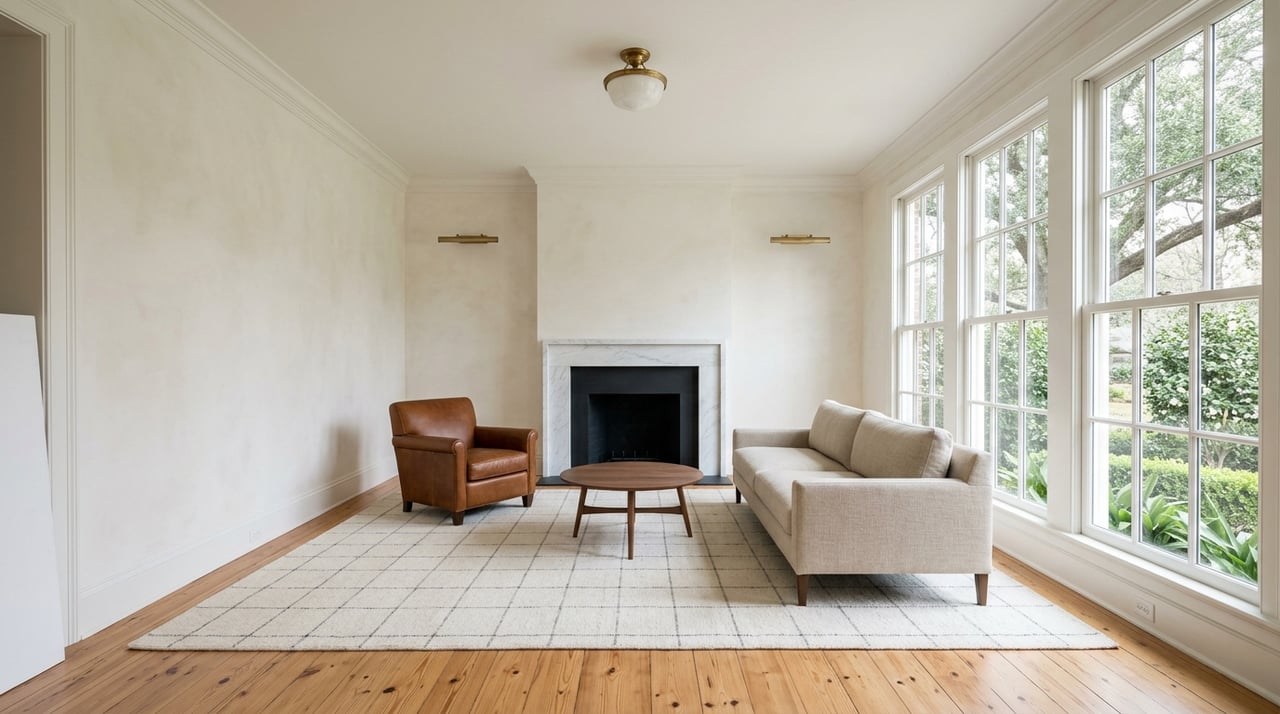
A good rule of thumb is simple: modernize the way you live inside the house while keeping the home visually legible as an early-20th-century Gentilly residence outside. Kitchens, baths, and systems can be updated without flattening the details that give the property its identity.
Preserve the features buyers notice first
If you are deciding where to spend money, start with the features that shape curb appeal and architectural character. In Gentilly Terrace, buyers are likely to notice the porch, roof shape, eaves, windows, siding, and the home’s overall low-slung profile before they notice decorative finishes.
That does not mean every original element must remain untouched. It does mean repairs and replacements should work with the home’s existing proportions, materials, and texture. In many cases, matching the original look and feel matters more than introducing something newer or more expensive.
Porch depth and front presence
The front porch does a lot of work in this district. Many Gentilly Terrace homes feature broad or off-center porches that help define the facade and create the neighborhood’s porch-forward rhythm.
If you alter that porch too aggressively, the house can lose much of its historic presence. Preserving porch depth, column style, piers, and visible trim often does more for long-term appeal than a cosmetic refresh elsewhere.
Rooflines and eaves
Roof shape is another high-priority feature. Bungalow forms, low dormers, and overhanging eaves are part of what makes the district visually coherent.
If you are planning roof work, think beyond shingles alone. The roofline itself is often part of the home’s identity, so changes that interrupt or dominate the original form can have an outsized effect on how the house reads from the street.
Siding, trim, and texture
The district nomination specifically notes that vinyl and aluminum siding can overwhelm Craftsman character, even if a house remains technically contributing. That is a useful warning for anyone planning exterior updates.
Where feasible, repairing original wood or other historic materials is often the better move. Texture, shadow lines, and trim depth matter. Covering those details can make a home feel flatter and less connected to its original design.
Window rhythm and facade balance
Even when windows need repair or replacement, their spacing and proportion usually deserve close attention. The rhythm of openings across the front elevation helps preserve the balance of the facade.
A thoughtful renovation protects that rhythm whenever possible. Large changes to window placement or scale can shift the home away from its original architectural language, which may also make it less appealing to buyers who value historic character.
What the National Register does and does not do
One point often causes confusion. Being in a National Register Historic District does not automatically stop you from renovating your home.
National Register listing alone does not impose federal restrictions on a private owner unless federal money, permits, or licensing are involved. In practical terms, the real renovation triggers in New Orleans usually come from local rules, local district status, and permit requirements.
That distinction matters because many owners assume any historic designation means every project faces the same level of review. In reality, parcel status and project scope should be confirmed address by address before you finalize your plans, budget, or timeline.
What can trigger extra review in New Orleans
Gentilly Terrace is included in New Orleans’ Neighborhood Conservation District, or NCD. The city’s materials state that the NCD covers all National Register Historic Districts and specifically includes the Gentilly Terrace National Register District plus surrounding blocks.
For most homeowners, that does not mean every project becomes overly complicated. It does mean certain scopes should be flagged early because they can add documentation, review steps, and lead time.
Demolition needs early planning
If your project includes demolition, treat that as its own early-stage track. In the NCD, the city requires a complete package before a demolition application will even be scheduled for a hearing.
That package includes:
- A demolition letter of intent
- Four color photos of the structure
- An assessor’s aerial map
- A recorded act of sale if ownership is recent
- Future plans, if available
Because of that process, demolition should never be a late add-on to an otherwise simple renovation plan. If demolition is on the table, it can affect timeline and strategy from the start.
Major renovations need fuller permit packages
New construction, additions, and renovations that exceed 50% of the structure value require a more formal permit package. According to the city’s checklist, that can include a plot plan, sealed architectural plans, a benchmark certificate, and foundation drawings.
This is one reason scope definition matters so much. A light cosmetic update and a major structural renovation may look similar in the early planning stage, but they can move through very different approval paths.
Roof replacement can be a permit issue
Roof work also deserves attention early. New Orleans’ current application menu notes that a re-roofing permit must be obtained before replacing 50% or more of a roof covering.
In Gentilly Terrace, that threshold matters for two reasons. First, it can add a permit step. Second, the roofline is often a character-defining feature, so planning roof work carefully can protect both your schedule and the home’s architectural integrity.
Build your renovation plan around compatibility
The safest design strategy in Gentilly Terrace is compatibility. That does not mean making a house feel old-fashioned or refusing any change. It means choosing updates that support the home’s original era, massing, and street presence.
For sellers, this often leads to stronger resale positioning. Buyers drawn to historic districts are often responding to visible compatibility, not just finish quality. A restored porch, repaired siding, thoughtful color palette, and an addition that stays subordinate to the original house can signal quality more clearly than trend-driven upgrades.
For buyers planning future work, the same idea applies. If you are evaluating a property’s potential, look for a house where the essential exterior cues are still intact. Those features can give you a stronger foundation for updates that feel both livable and respectful.
Assemble the right team early
A smooth renovation usually starts with the right professionals at the right time. For many projects in Gentilly Terrace, that means a preservation-aware architect or designer, a licensed contractor, and a surveyor or other professional who can help with benchmark certificates and related permit documents.
New Orleans’ One Stop materials note that applicants can upload documents online. Still, when scope or approvals are unclear, getting direct guidance early can help prevent avoidable delays.
This is especially important if you are buying before renovating or preparing a home for sale after improvements. The earlier you confirm district status, permit needs, roof scope, and any demolition issues, the easier it is to build a realistic budget and timeline.
Renovate for today, sell well tomorrow
The best renovations in Gentilly Terrace usually do two things at once. They improve daily life with updated systems and better-functioning interiors, and they keep the house visually rooted in the neighborhood’s architectural story.
That balance matters if resale is part of your plan. In a district valued for architecture, the updates that tend to read best are the ones that feel deliberate, compatible, and proportionate. You do not need to make a house louder to make it more marketable. You need to make it feel cared for, coherent, and true to place.
If you are considering renovations before listing, planning a purchase with future updates in mind, or trying to understand how design choices may affect value, The Martzolf Group brings design-forward real estate guidance rooted in New Orleans neighborhood expertise.
FAQs
Does National Register status in Gentilly Terrace stop private renovations?
- No. National Register listing alone does not restrict a private owner unless federal money, permits, or licensing are involved.
What renovation details matter most for Gentilly Terrace curb appeal?
- The most visible character cues are usually the porch, roof shape, eaves, windows, siding, and the home’s overall low-slung historic profile.
What projects in Gentilly Terrace can add review time?
- Demolition in the Neighborhood Conservation District, major renovations that require a full permit package, and roof replacements that exceed 50% of the roof covering are key items to flag early.
Does every Gentilly Terrace property have the same local review status?
- No. New Orleans distinguishes between National Register districts, local historic districts, HDLC or VCC jurisdiction, and Neighborhood Conservation Districts, so parcel status should be confirmed address by address.
What is the safest resale-minded renovation approach in Gentilly Terrace?
- The safest approach is usually to update kitchens, baths, and systems while preserving exterior features such as porch depth, trim, eaves, window rhythm, siding texture, and overall massing.