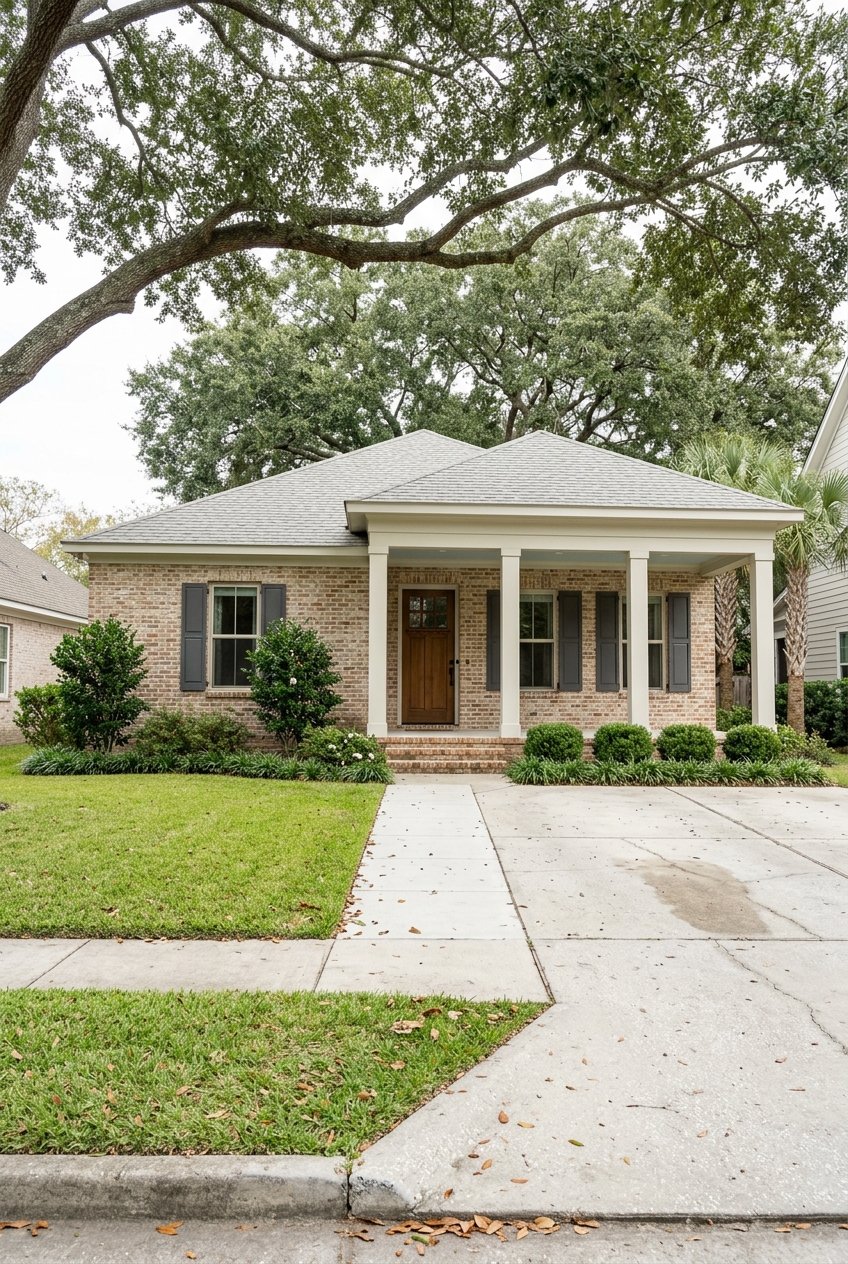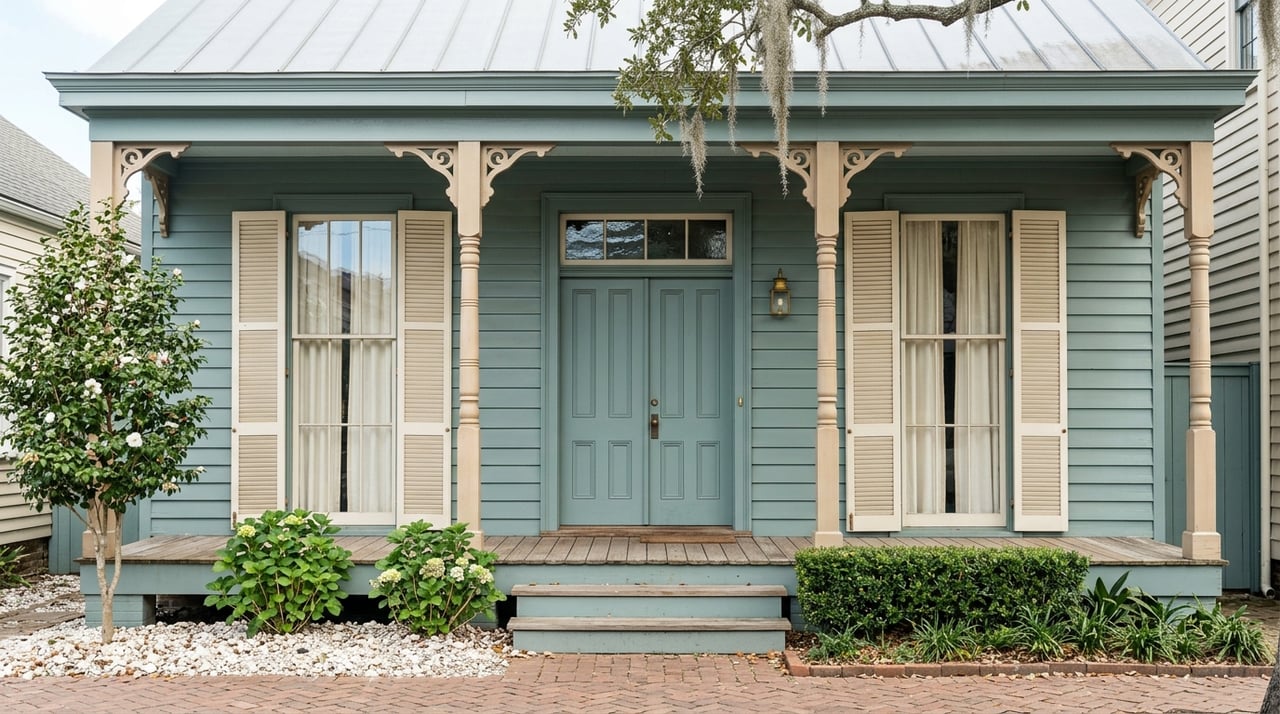
If you are thinking about buying a condo in the CBD or Warehouse District, you are not just choosing a floor plan. You are choosing a building style, a set of shared rules, and a very specific downtown lifestyle. In this part of New Orleans, that mix can feel exciting and complex at the same time. This guide will help you understand what to look for, what questions to ask, and how to evaluate a condo with more confidence. Let’s dive in.
What makes CBD and Warehouse condos different
The Central Business District and Warehouse District offer a wide range of condo options rather than one standard downtown product. According to local district descriptions, you can find modern high-rises, loft-style conversions, restored commercial buildings, and luxury residences set among galleries, museums, hotels, restaurants, and public spaces.
That variety is part of the appeal, but it also means you should avoid assumptions. A condo in a converted warehouse may live very differently from a unit in a newer tower, even if both are only a few blocks apart. Building age, layout, shared amenities, and governing documents can all shape your day-to-day experience.
The neighborhood mix matters
The CBD includes several distinct areas folded together, including places around Canal Street, Picayune Place, and Lafayette Square. The Warehouse District adds another layer, with historic warehouse buildings and later residential conversions that grew after the 1984 World’s Fair.
For you as a buyer, this means the setting around the building matters almost as much as the unit itself. One block may feel more office-oriented during the week, while another may stay active well into the evening because of nearby restaurants, museums, or entertainment uses.
Expect a broad range of building types
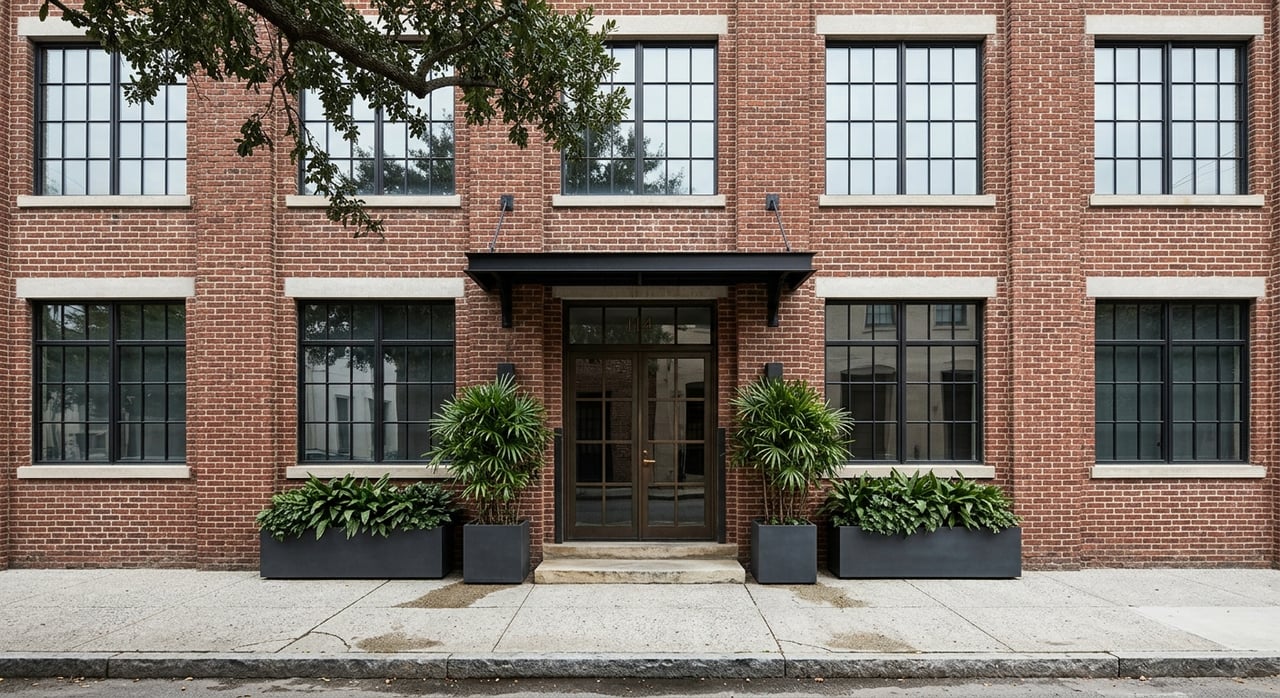
In the Warehouse District especially, the building stock reflects its commercial past. Local historic district materials describe early mixed-use buildings, Greek Revival warehouses, Italianate warehouses, and later reinforced-concrete industrial structures.
Today, that history shows up in the condo market through exposed-brick lofts, adaptive-reuse buildings, and more contemporary tower living. If you love character, that can be a major draw. If you prefer predictable layouts and standardized amenities, you may want to compare older conversions closely with newer buildings.
What condo ownership means in Louisiana
When you buy a condo in Louisiana, you are buying more than the interior space you can see. The condominium declaration is a key document because it defines unit boundaries, identifies limited common elements, explains undivided ownership shares in common elements, and outlines how common expenses are allocated.
In practical terms, that document helps answer a question every condo buyer should ask: What exactly comes with this unit? In a downtown building, that answer can affect parking, storage, balconies, and access rights.
Why the declaration matters
Louisiana law requires the declaration to cover core ownership and governance details. It can also include restrictions related to use, sale, leasing, ownership, and occupancy.
That means features you might assume are flexible may actually be limited by the condo documents. Before you move forward, it is worth understanding not just the unit itself, but also the legal framework attached to it.
Bylaws shape daily life
The bylaws govern administration and operation of the association. They may address building rules, dispute procedures, and reserves for maintenance, improvements, replacements, and working capital.
For you, this matters because bylaws often affect the small details that shape condo living. Think about pet rules, move-in procedures, use of shared spaces, or how the building plans for major repairs over time.
Documents every buyer should review
Louisiana resale rules give condo buyers access to important information before closing. On resale, the seller must provide the declaration, bylaws, association documents, and a certificate with key financial and operational details.
This is one of the most important parts of your due diligence. In a CBD or Warehouse District condo, strong document review can help you avoid surprises and compare buildings more clearly.
Key resale items to request
The resale package should include information such as:
- Current assessments
- Approved capital expenditures
- Reserve balances
- Recent financial statements
- The operating budget
- Unsatisfied judgments or pending suits
- Insurance coverage
- Ground-lease term, if applicable
Under Louisiana law, the association must furnish the certificate within 10 days of request. That timeline can help keep your transaction moving while still giving you time to review meaningful details.
What to look for in the records
Clear records can make a condo easier to evaluate now and easier to market later. Detailed financials, understandable reserve information, and clearly documented obligations can all support a smoother buying decision.
You should also pay attention to whether the records align with what you were told during showings or marketing. If a feature, right, or rule matters to you, it should be confirmed in writing.
Verify amenities, parking, and storage
One of the biggest mistakes condo buyers make downtown is assuming every building offers the same package. In the CBD and Warehouse District, amenity sets vary widely because the housing stock varies widely.
You may find elevator service, package handling, fitness space, rooftop access, security measures, guest parking, pet policies, and storage options in some buildings, but not others. Verify what is actually included rather than relying on general expectations about downtown living.
Parking deserves special attention
Parking can be especially important in this submarket. Because condo documents define limited common elements and allocation methods, a parking space may be included with the unit, separately assigned, shared, or handled another way.
Ask direct questions early. You want to know whether parking is deeded, exclusive, assigned by the association, or subject to separate arrangements.
Storage is not always straightforward
Storage can work much like parking. Some buildings may provide exclusive storage tied to a unit, while others may offer common-area storage or none at all.
If you need extra room for seasonal items, bikes, or personal belongings, confirm the exact arrangement in the documents. Do not assume a storage room shown during a tour automatically transfers with the sale.
Check leasing and occupancy rules carefully
If rental flexibility matters to you, read the condo documents closely. In New Orleans, city permitting for short-term rental activity is only one layer. A building’s declaration and bylaws can separately restrict leasing and occupancy.
That means a condo may sit in a city where a permit process exists, yet the building itself may still limit or prohibit certain rental activity. If this is part of your long-term plan, verify both the city process and the building rules before you buy.
Restrictions can affect resale too
Leasing and occupancy rules do not just affect current use. They can also shape the future buyer pool if you decide to sell.
In general, more restrictive rules may narrow the range of future buyers, while clear and well-documented policies can make a unit easier to understand. If flexibility matters to you today, it may also matter to your next buyer later.
Understand historic district oversight
Some condos in this area sit within local historic districts. If that is the case, exterior changes visible from the street may require review by the Historic District Landmarks Commission.
This is especially relevant if you are already thinking ahead about updates. Window replacement, balcony changes, signage, or other visible exterior work may involve review even if the unit is privately owned.
Interior style and exterior rules are different
Many condo buyers are drawn to downtown buildings because of their architecture and character. That is part of what makes the CBD and Warehouse District so compelling.
At the same time, design freedom can look different in a historic context. Interior updates may feel flexible, while exterior elements can be more tightly controlled. If renovation potential is part of your search, make sure you understand where those boundaries are.
Test the block, not just the unit
The Warehouse District has been described by local authorities as a place where residential, entertainment, commercial, shopping, museum, art, and tourist activity blend throughout the day and night. The CBD adds offices, hotels, retail, residences, streetcar access, and civic spaces like Lafayette Square.
For that reason, one of the smartest things you can do is visit the block at different times. A unit that feels perfect on a quiet weekday afternoon may feel very different on an active weekend evening.
Think about your real routine
Try to picture your normal schedule. Will you walk the area in the morning, come home late, entertain often, or use the condo as a pied-à-terre?
The best fit usually comes from matching your preferences to the building and the block. Urban activity, parking logistics, association rules, and building character all play a role in whether a condo feels easy to live in over time.
How to evaluate long-term fit
A strong condo purchase in the CBD or Warehouse District is usually a package of three things: the unit, the common elements, and the rules. Square footage and finishes matter, but they are only part of the picture.
You will usually feel more confident when the building has clear records, understandable rules, adequate reserves, and well-defined rights related to parking and storage. Those details can support both livability now and marketability later.
A practical buyer checklist
As you compare options, keep this short checklist in mind:
- Review the declaration to confirm unit boundaries and limited common elements
- Read the bylaws for use, leasing, occupancy, and day-to-day rules
- Confirm what amenities are actually available
- Verify how parking is assigned or conveyed
- Confirm whether storage is exclusive, shared, or unavailable
- Review the resale certificate and association financials
- Ask whether the building is within a local historic district
- Visit the building and block at different times of day and week
Buying downtown can be a smart and rewarding move when the building matches how you want to live. With the right guidance and careful review, you can find a condo that fits both your lifestyle and your long-term goals.
If you are considering a condo in the CBD or Warehouse District, The Martzolf Group can help you evaluate the details that matter, from building character to condo documents to long-term fit.
FAQs
What should you review before buying a condo in the CBD or Warehouse District?
- You should review the declaration, bylaws, resale certificate, financial statements, reserve information, insurance details, and any rules about leasing, occupancy, parking, and storage.
How is a CBD condo different from a Warehouse District condo?
- Condo options in both areas vary widely, but you may see a mix of modern towers, historic warehouse conversions, loft-style residences, and adapted commercial buildings with different layouts and amenity packages.
Why do parking and storage matter in downtown New Orleans condos?
- Parking and storage are not always included the same way from building to building, so you should confirm whether they are exclusive to the unit, shared, separately assigned, or governed as limited common elements.
Can you rent out a condo in the CBD or Warehouse District?
- Rental use depends on more than city permitting because the condo declaration and bylaws may impose separate leasing or occupancy restrictions.
Why do condo documents matter so much in Louisiana?
- Under Louisiana law, the declaration and bylaws define ownership rights, common elements, expense sharing, voting, restrictions, and building operations, so they directly affect what you are buying and how you can use it.
Should you worry about historic district rules when buying a downtown condo?
- If the condo is in a local historic district, exterior changes visible from the street may require HDLC review, which is important if you may want to make visible updates later.