Are you drawn to New Orleans homes with character, but want a neighborhood that feels a little more open and residential day to day? Gentilly Terrace stands out for exactly that reason. Its homes, lot patterns, and streetscape tell a clear story about how design shapes everyday living, and understanding those details can help you buy or sell with more confidence. Let’s dive in.
Gentilly Terrace has a distinct residential pattern
Gentilly Terrace was platted in 1909 as a streetcar and automobile suburb, and that original plan still shapes how the neighborhood feels today. The historic district was laid out on rectangular blocks with 25-by-120-foot lots, and it was designed as a largely residential area from the start.
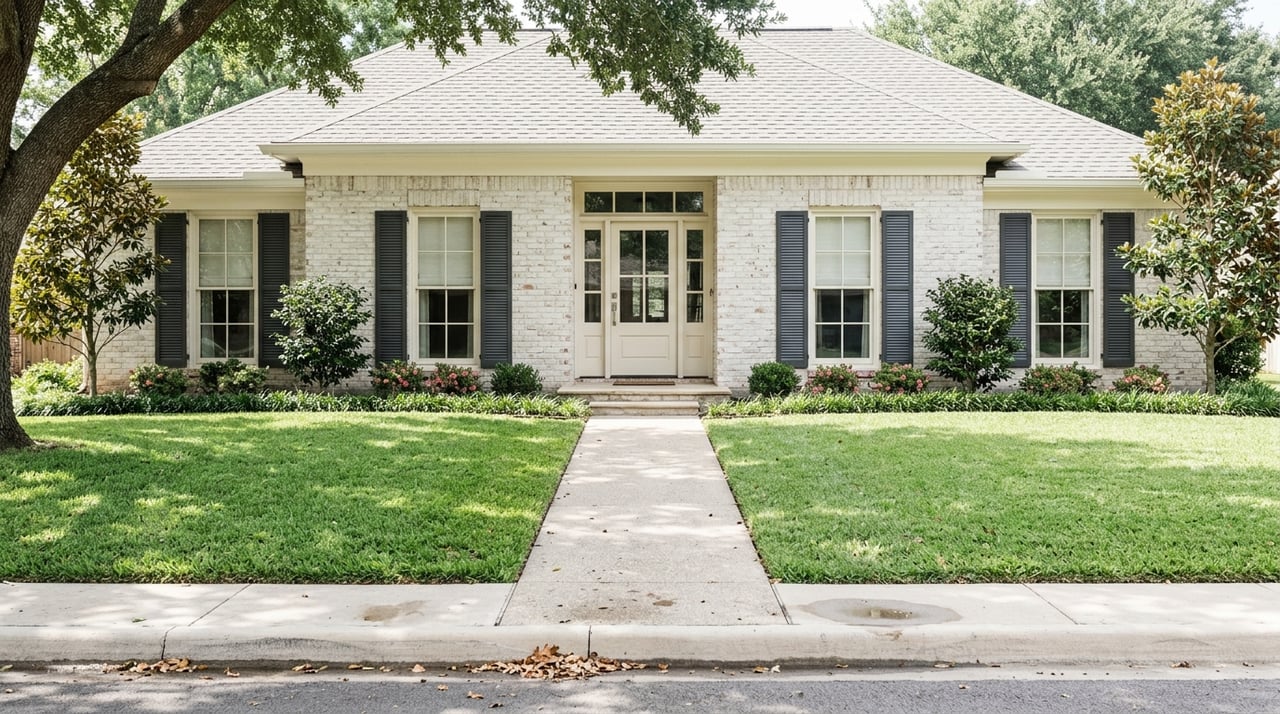
That planning choice matters when you walk the neighborhood now. Wide streets, driveways, rear garages, and a broad Gentilly Boulevard with a grassy median all create a more spacious, park-like setting than you find in many older parts of New Orleans.
The neighborhood also sits on Gentilly Ridge, one of the city’s natural ridges. That helps explain why elevation, terraces, and grading are such visible parts of the area’s identity.
Architecture defines the neighborhood’s appeal
Gentilly Terrace is one of New Orleans’ strongest early-twentieth-century residential ensembles. According to the National Register nomination, the district included 665 buildings in the historic survey, and almost all were residential.
For buyers, that means the neighborhood offers a strong sense of visual continuity. For sellers, it means architectural character is not just a bonus feature here. It is part of what defines market interest and neighborhood recognition.
Craftsman and bungalow homes lead the mix
Craftsman and California Bungalow houses are the signature style in Gentilly Terrace. In the National Register survey, they made up 39% of the building stock, making them the clear dominant type.
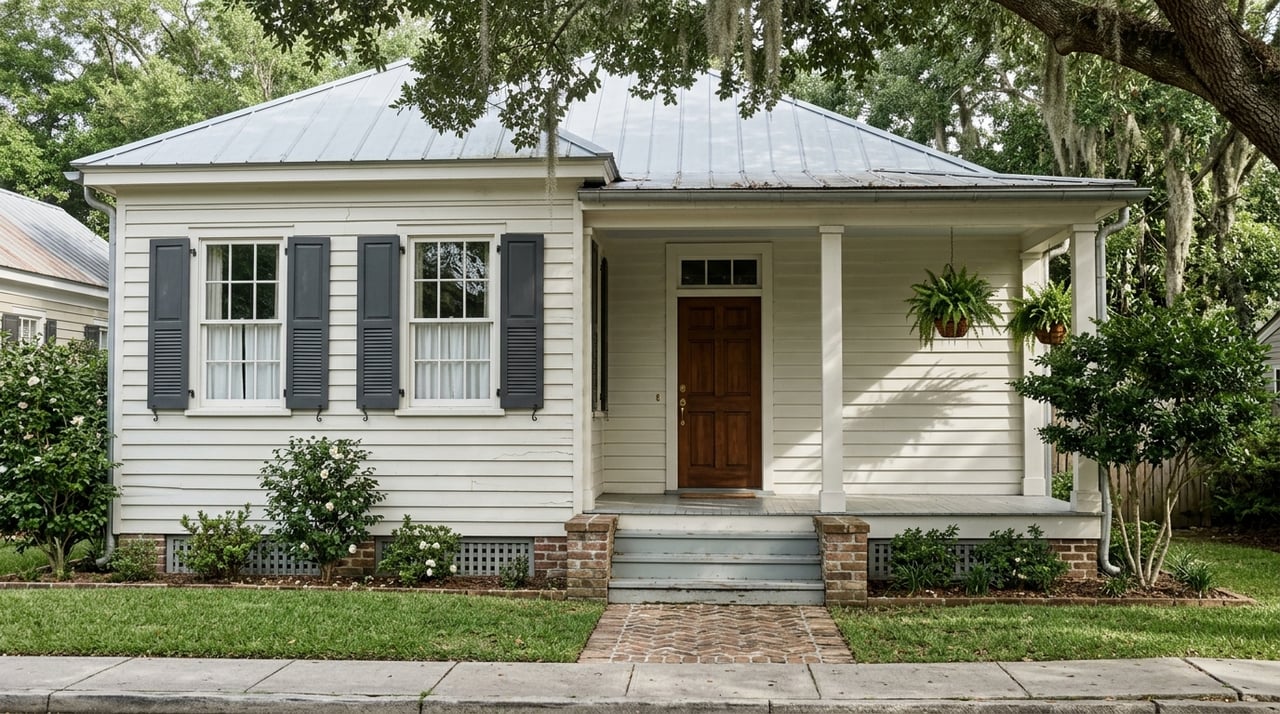
These homes are known for wide overhanging eaves, low-pitched gable or hip roofs, dormers, and porches that span all or part of the front facade. Many also feature wood shingles or clapboards, exposed rafter tails, decorative brackets, and stucco or brick porch piers.
In everyday terms, these details do more than create curb appeal. They often support shaded porches, softer transitions from outdoors to indoors, and a facade that feels welcoming from the street.
Other historic styles add variety
While bungalows lead the neighborhood, they are not the whole story. Gentilly Terrace also includes Colonial Revival, English Cottage, and Spanish or Mediterranean Revival homes.
English Cottage homes are generally modest in scale, often with steep front gables and a prominent front chimney. Colonial Revival homes may appear as basement houses with grouped Tuscan columns and fanlights, or as two-story red-brick homes with classical detailing.
Spanish and Mediterranean examples are usually larger homes on principal streets. They often feature stucco exteriors, red tile roofs, and round arches, giving parts of the neighborhood a broader architectural range without breaking its overall scale.
Later homes are part of the fabric too
Not every home in Gentilly Terrace is an early-twentieth-century original. The district also includes later slab-on-grade ranch houses and altered historic homes.
According to the National Register nomination, these non-contributing buildings are usually small- to medium-size brick-veneer ranch houses. Even so, they generally stay within the district’s one- to two-story scale, which helps preserve a consistent street presence.
What these homes feel like in daily life
Architecture is not only about style. In Gentilly Terrace, it also affects how you move through a home, how the house meets the street, and how outdoor space fits into your routine.
Many homes are one-story or one-and-a-half-story bungalows, but the district also includes the New Orleans basement-house type. In those homes, the main living space is above an above-ground base, so the front entry is often reached by a noticeable flight of steps.
That raised arrangement gives some homes a more elevated, layered look from the street. It can also make the arrival experience feel more distinct, with the porch and entry acting as a stronger transition into the main living area.
Porches and eaves shape comfort
Broad eaves, projecting bays, casement windows, dormers, and front porches are common throughout the district. Based on the exterior features documented in the historic survey, those design elements often create shaded front rooms and strong indoor-outdoor connections.
That is part of the everyday appeal in Gentilly Terrace. A porch is not just an architectural detail here. It often functions as usable living space and as a visual buffer between the street and the interior of the home.
Lots and setbacks create breathing room
Gentilly Terrace is known for its lot pattern, setbacks, and terraced lawns. The Preservation Resource Center notes 20-foot setbacks, lawns on terraces, and mature oaks along major boulevards.
Combined with driveways and detached rear garages, those features help the neighborhood feel less compressed. If you are comparing Gentilly Terrace to denser New Orleans areas, this is one of the clearest lifestyle differences you will notice.
Why the neighborhood often feels quieter
Gentilly Terrace was almost exclusively residential in its early years. The historic nomination documents only the original school and a short-lived commercial venture in the neighborhood’s early development.
That history helps explain why the area can feel quieter and less commercially dense than some inner-city neighborhoods. For many buyers, that balance is a major draw because it offers architectural character in a setting that feels more relaxed and residential.
The Preservation Resource Center has described Gentilly Terrace as having a laid-back, almost rural feel. That impression comes from the combination of front porches, detached parking, setbacks, larger-than-average yards for New Orleans, and limited heavy commercial development.
Everyday convenience in Gentilly
A quieter residential setting does not mean isolation. The Preservation Resource Center describes Gentilly Terrace as convenient to the lakefront, downtown, Dillard University, and Southern University at New Orleans.
Dillard University’s official campus materials place its 55-acre campus in Gentilly, and the University of New Orleans also identifies itself within the Gentilly neighborhood. That broader context helps explain why the area can feel residential while still remaining connected to key destinations.
For buyers, this often translates into a neighborhood that offers both space and access. For sellers, it is an important part of how Gentilly Terrace fits into the wider New Orleans map.
Resilience matters in Gentilly Terrace
In Gentilly, architecture and land are closely connected. The City of New Orleans says the Gentilly Resilience District is intended to reduce flood risk, slow land subsidence, improve energy reliability, and support neighborhood revitalization through stormwater projects, wetlands, blue-and-green corridors, and homeowner adaptation programs.
NOLA Ready also notes that Gentilly sits on a natural ridge while much of the city depends on drainage pumps. That context helps explain why elevation, grading, and landscape design are such important parts of how people think about homes in this area.
If you are evaluating a home here, the conversation is often bigger than square footage or finishes alone. Site design, drainage context, and how a property sits on its lot can all matter in practical day-to-day ownership.
What buyers and sellers should notice
If you are buying in Gentilly Terrace, it helps to look beyond the style label and pay attention to how the home lives. Porch depth, elevation, stairs, yard layout, detached parking, and the relationship between the house and the street all shape the experience of living there.
If you are selling, those same details are often central to the home’s story. In a neighborhood where architecture is part of the appeal, thoughtful presentation can help buyers understand not just what the house is, but why it feels special.
For design-conscious clients, Gentilly Terrace offers a compelling mix of historic character and everyday function. Its bungalow-heavy streetscape, layered house types, and more open residential pattern make it one of the more distinctive places to explore in New Orleans.
If you are thinking about buying or selling a home with architectural character in New Orleans, The Martzolf Group brings a design-minded, neighborhood-focused approach that helps you understand both the market and the details that make a home stand out.
FAQs
What architectural style is most common in Gentilly Terrace homes?
- Craftsman and California Bungalow homes are the most common style in Gentilly Terrace, making up 39% of the building stock in the National Register survey.
Do Gentilly Terrace homes usually have porches and yards?
- Yes. The neighborhood is known for front porches, terraced lawns, setbacks, driveways, and rear garages, all of which support a more open residential feel.
Are there only historic homes in Gentilly Terrace?
- No. The district also includes later ranch houses and altered historic homes, though most stay within the neighborhood’s one- to two-story scale.
Does Gentilly Terrace feel less dense than other New Orleans neighborhoods?
- Generally, yes. Its original suburban lot pattern, detached parking, medians, setbacks, and wider streets tend to make it feel less compressed than many older parts of the city.
Why do Gentilly Terrace homes often sit higher from the street?
- The neighborhood sits on Gentilly Ridge, and some homes are built in the New Orleans basement-house form, where the main living area is above an above-ground base and reached by a noticeable set of steps.