Wondering whether Metairie or New Orleans is the better fit for your next move? You are not alone. Many buyers find that this decision has less to do with which place is "better" and more to do with how you want to live every day. If you are weighing commute patterns, home style, parking, parks, and the feel of your routines, this guide will help you compare the two in a practical way. Let’s dive in.
Start With Lifestyle
The clearest difference between Metairie and New Orleans is lifestyle. Metairie is an unincorporated East Bank community in Jefferson Parish, so daily life is shaped by parish planning, zoning, and transit systems. New Orleans is the city proper, with neighborhoods that range from dense historic areas to more suburban-feeling sections.
For most buyers, this is not a simple side-by-side ranking. It is really a choice between suburban practicality and city texture. If you know which of those feels more like home, your decision often becomes much easier.
Metairie at a Glance
Metairie often appeals to buyers who want a more road-based routine and a housing landscape that leans ownership-oriented. Jefferson Parish QuickFacts shows a 62.1% owner-occupied rate in Metairie, along with a median owner-occupied home value of $327,500 and median gross rent of $1,175. That combination points to a market where ownership plays a major role.
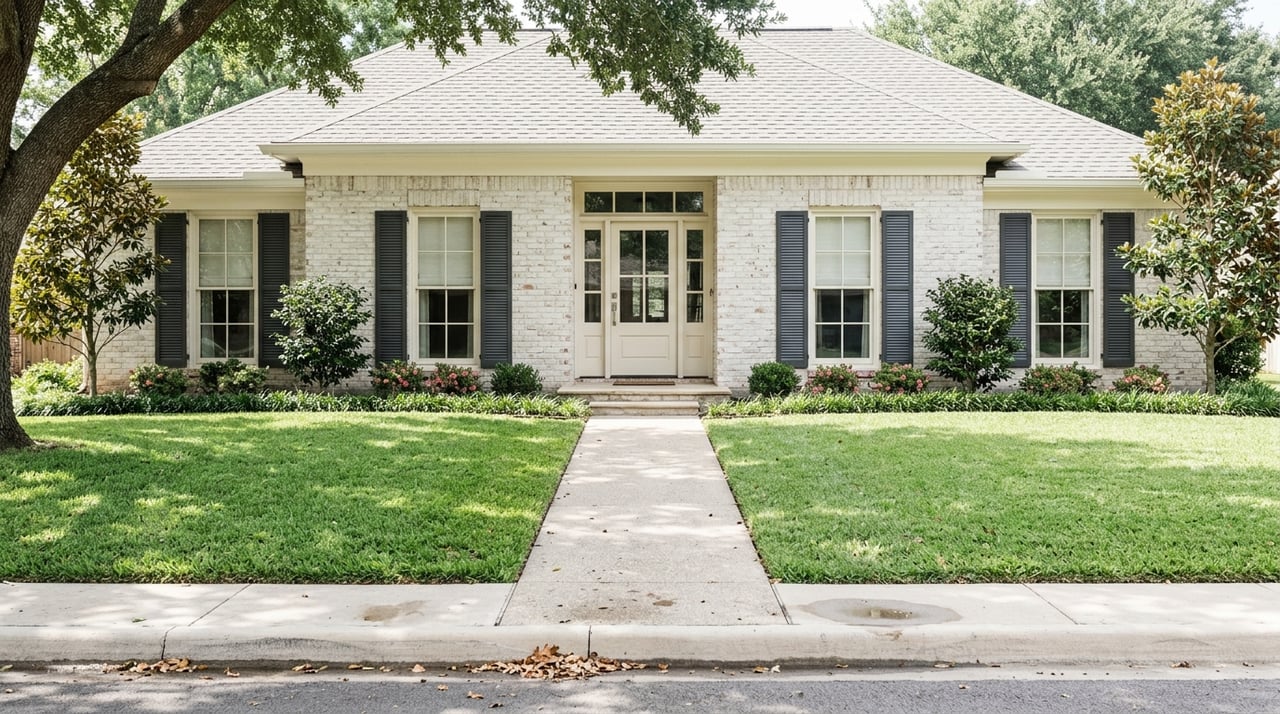
The area’s planning framework includes single-family, two-family, three- and four-family, townhouse, and mixed-use corridor categories. In practice, that means you can find more than one housing type here, but the overall feel is often more suburban, practical, and oriented around yards, parking, and commercial corridors.
New Orleans at a Glance
New Orleans offers a more layered housing and neighborhood experience. Census QuickFacts shows a 51.2% owner-occupied rate, a median owner-occupied value of $315,700, and median gross rent of $1,251. Compared with Metairie, that suggests a somewhat less ownership-heavy mix and slightly higher typical rent.
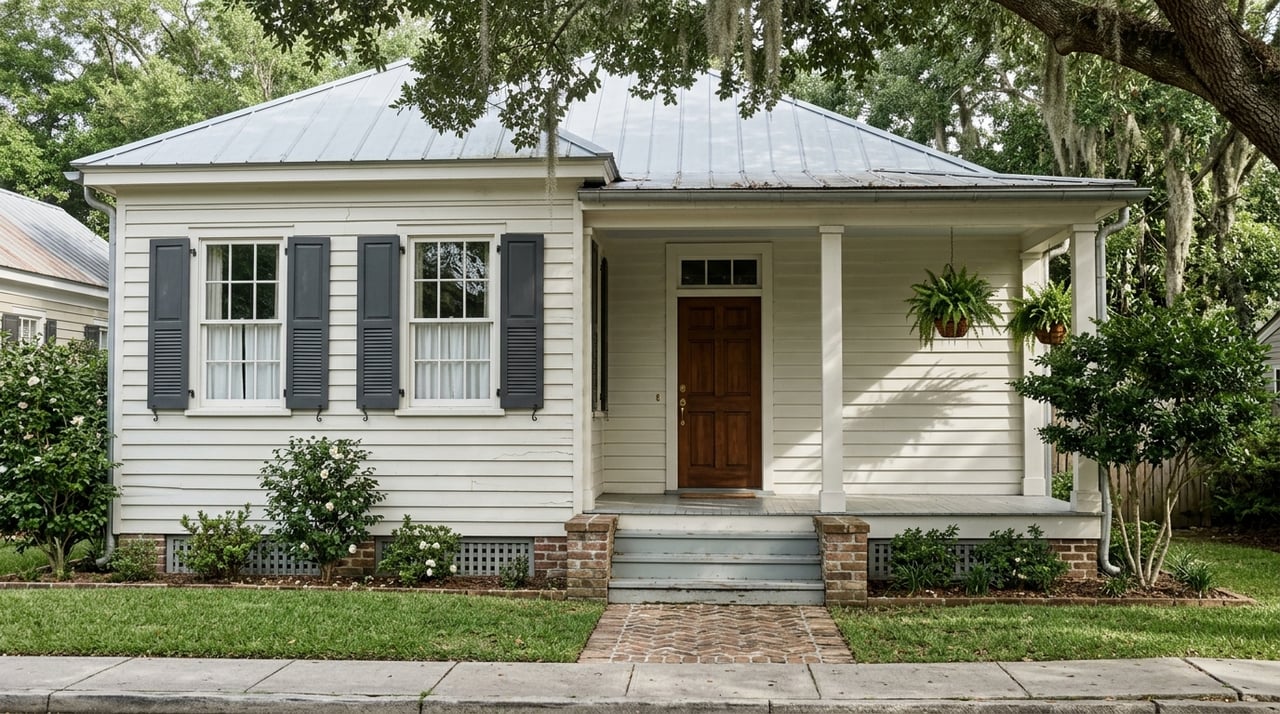
The city also stands out for its architectural range. Historic Core regulations describe neighborhoods with preserved historic development patterns and a mix of dwelling types in a dense residential setting. You will see home styles such as Creole cottages, townhouses, center hall cottages, shotguns, and bungalows, along with ranch homes and craftsman bungalows in newer areas.
Compare Housing Style
If home design matters to you, this is one of the biggest decision points.
Metairie Homes
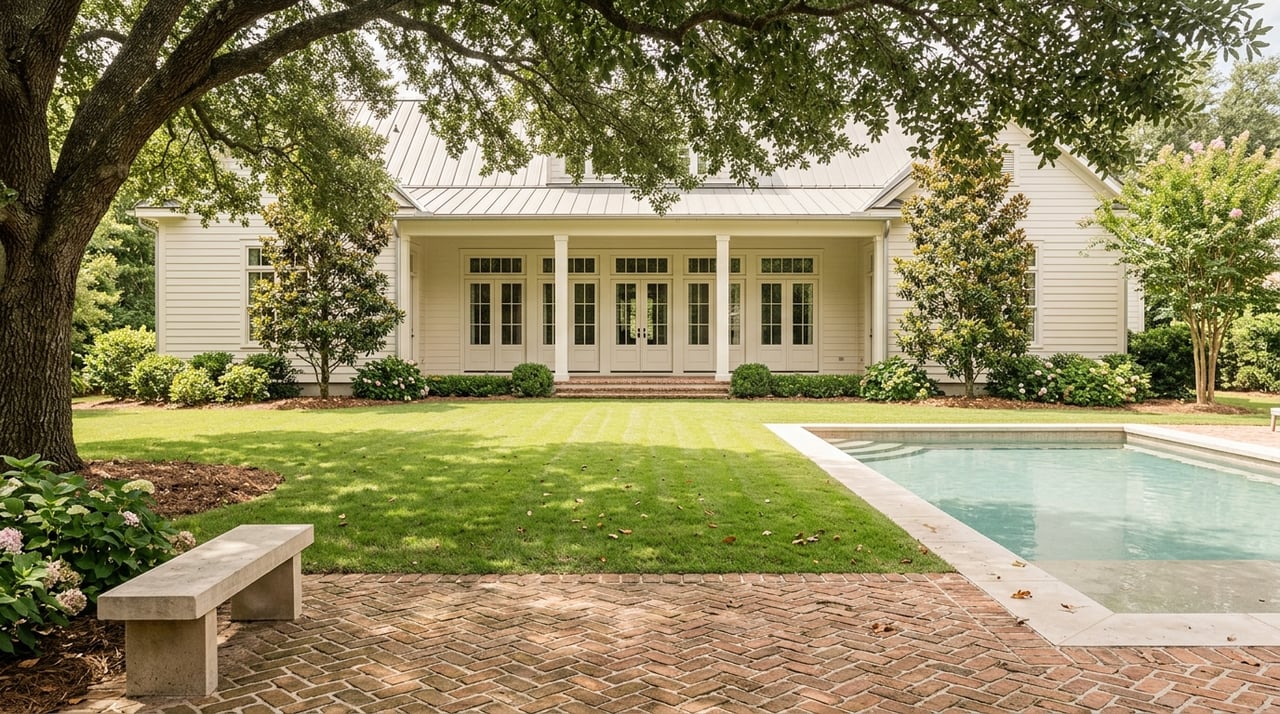
Metairie often feels more straightforward in its housing form. Many buyers are drawn to homes that support easier parking, more yard-focused living, and a practical suburban layout. Even where mixed-use or multifamily options exist, the overall impression is typically less about historic layering and more about function.
For buyers who want a simpler canvas, that can be a real advantage. You may prefer a home where the routine feels easy, the lot use is familiar, and day-to-day logistics feel less tied to dense urban patterns.
New Orleans Homes
New Orleans tends to attract buyers who care deeply about character, detail, and architectural variety. Historic neighborhoods preserve dense residential patterns and a mix of home types that can feel visually rich and highly specific to place. For design-minded buyers, that often creates more renovation potential and more opportunities to find distinctive details.
This is where your personal priorities matter most. If you value historic texture and a home with visible character, New Orleans may feel more compelling. If you want a more suburban setup, Metairie may feel more natural.
Think About Your Commute
Commute times are closer than many people expect. The most recent Census QuickFacts figures show a mean travel time to work of 21.7 minutes in Metairie and 22.6 minutes in New Orleans. On paper, that difference is fairly small.
What usually feels different is not the length of the trip, but how you make it. Your day may feel very different in a place built around driving than it does in one where walking, transit, and shorter neighborhood trips are more common.
Metairie Transit and Driving
Metairie’s transit support comes through Jefferson Parish Transit. That system includes fixed-route operators, the Mobility Impaired Transit System, and the Move Metairie on-demand zone in the Metairie Road District. Move Metairie operates Monday through Friday from 6 a.m. to 7 p.m. and connects riders to the Canal Boulevard Bus-Streetcar Terminal and the Airline-Severn bus stop.
That setup can be useful, but Metairie is still best understood as a road-first environment. Many routines are organized around driving, with transit working as a supplement rather than the center of daily mobility.
New Orleans Transit and Walking
New Orleans has a more layered transit network. RTA operates fixed-route buses, paratransit, streetcar, ferry, and limited on-demand service. A current RTA committee document notes that the system includes five streetcar lines, 66 streetcars, and 27 miles of track.
City zoning also reflects older pedestrian patterns in the Historic Core, and some neighborhoods use residential parking permit zones during busy times. In practical terms, that can support a lifestyle where walking, transit, and short neighborhood trips play a larger role in your day.
Daily Errands Feel Different
How you run errands matters more than many buyers realize. Grocery trips, coffee runs, after-work stops, and weekend plans can shape how connected or convenient a place feels.
In Metairie, daily life is often organized around neighborhood parks, drive-to errands, and commercial corridors. The Metairie CBD land-use plan includes residential, mixed-use, core commercial, and general commercial policy areas, which reflects that corridor-based pattern.
In New Orleans, errands and recreation are often woven more closely into neighborhood streets, mixed-use blocks, and local destinations. That can create a routine that feels more integrated, especially if you like combining outings into one walkable or transit-supported trip.
Parks and Outdoor Time
Outdoor access looks different in each place as well.
Metairie Parks
Metairie has strong parish-run recreation anchors. Lafreniere Park is a 155-acre regional park with trails, gardens, picnic areas, a carousel, a dog park, and other amenities. For many households, that kind of destination park supports a routine built around planned outings and easy drive-in access.
If you like having a large park option that can handle a variety of activities in one place, this may suit you well. It fits the broader pattern of Metairie as a community where amenities are often organized into distinct, practical hubs.
New Orleans Parks
New Orleans offers a broader citywide parks network. The Department of Parks and Parkways manages more than 2,000 acres of public parks, squares, recreation areas, neutral grounds, a golf course, and more. The department says those spaces receive more than 13 million visits each year.
For many residents, parks are part of the rhythm of neighborhood life rather than only a destination outing. If you want more frequent proximity to public green space woven into different parts of the city, New Orleans may align more closely with how you like to spend your time.
A Quick Side-By-Side
| Category | Metairie | New Orleans |
|---|---|---|
| Overall feel | Parish-suburban base | City-neighborhood base |
| Housing character | Practical, yard and parking oriented | More historic variety and architectural detail |
| Owner occupancy | 62.1% | 51.2% |
| Median owner value | $327,500 | $315,700 |
| Median gross rent | $1,175 | $1,251 |
| Mean commute | 21.7 minutes | 22.6 minutes |
| Transit pattern | Transit supplements driving | More layered transit and walking options |
| Parks pattern | Large destination-style anchors | Broad citywide network |
Which Move Fits You Best?
Metairie may be the better fit if you want a home base that feels more suburban, ownership-oriented, and centered on driving, parking, and corridor shopping. It can work especially well if your ideal routine includes practical layouts, simpler daily logistics, and easy access to regional-style park amenities.
New Orleans may be the better fit if you want more architectural variety, stronger pedestrian and transit layers, and neighborhoods where parks, errands, and daily destinations are often woven together. Buyers who value historic detail and a stronger sense of city texture often find that New Orleans better matches their priorities.
The right move comes down to how you want your day to feel. If you are weighing home character, convenience, and long-term fit across Metairie and New Orleans, The Martzolf Group can help you compare your options with a local, design-conscious perspective.
FAQs
What is the main lifestyle difference between Metairie and New Orleans?
- Metairie generally offers a more suburban, road-first routine, while New Orleans often offers a more neighborhood-based city lifestyle with stronger walking and transit layers.
How do Metairie and New Orleans home styles compare?
- Metairie often feels more practical and yard- or parking-oriented, while New Orleans offers a wider mix of historic and architecturally distinct home types.
Are commute times very different in Metairie and New Orleans?
- No. Census QuickFacts shows mean commute times of 21.7 minutes in Metairie and 22.6 minutes in New Orleans.
What transit options are available in Metairie?
- Metairie is served by Jefferson Parish Transit, including fixed routes, the Mobility Impaired Transit System, and the Move Metairie on-demand zone in the Metairie Road District.
What transit options are available in New Orleans?
- New Orleans RTA operates fixed-route buses, paratransit, streetcar, ferry, and limited on-demand service.
How do parks compare in Metairie and New Orleans?
- Metairie has parish-run destination parks such as the 155-acre Lafreniere Park, while New Orleans has a broader system of more than 2,000 acres of public parks and recreation spaces.