If you are drawn to the charm of a historic cottage in Algiers Point, you are not alone. The neighborhood offers a rare mix of riverfront history, compact streetscapes, and architecture that feels deeply tied to New Orleans. If you are thinking about buying here, the right preparation can help you protect both your budget and the home’s character. Let’s dive in.
Why Algiers Point Feels Different
Algiers Point is not a typical neighborhood pattern built around larger lots or newer subdivisions. The City of New Orleans describes it as a village-like area on the Mississippi River bend, across from the Vieux Carré, with roots as an independent municipality and a ferry connection that has operated since 1827.
That history still shapes what you see today. The local historic district description notes a compact, older streetscape with early buildings from the 1840s and later 19th- and early 20th-century homes that followed the 1895 fire. In practical terms, that means you are often buying into a block where the streetscape matters as much as the individual house.
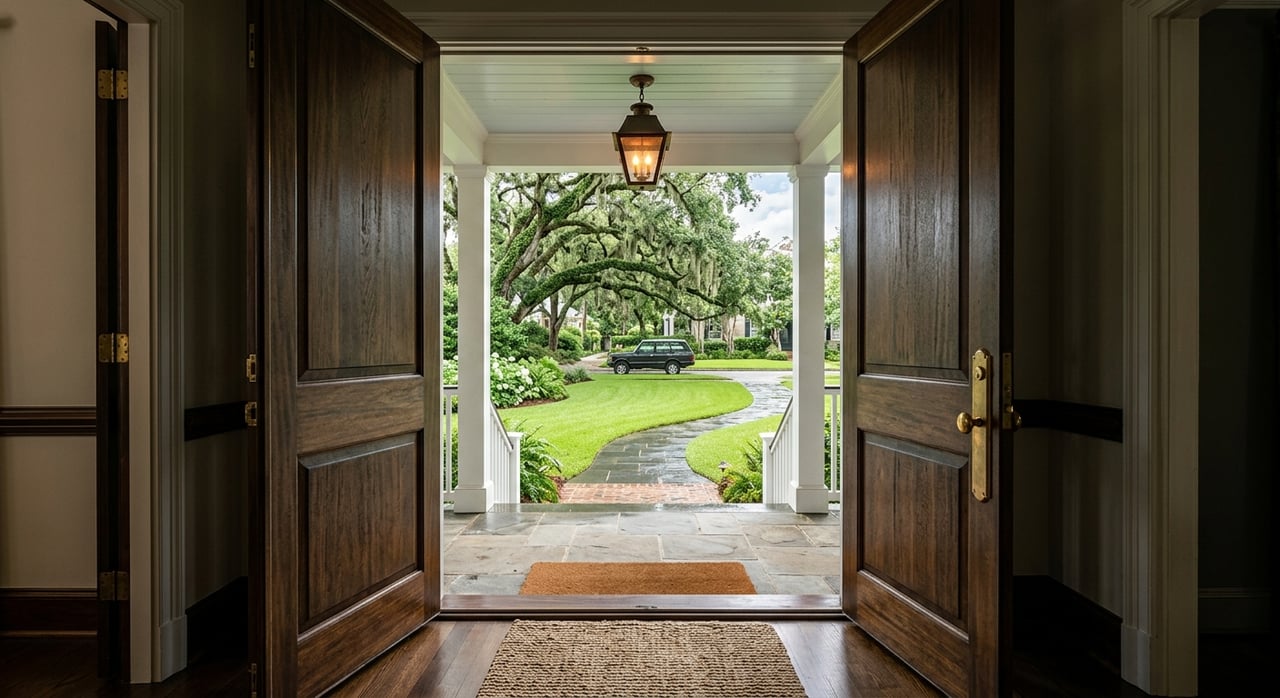
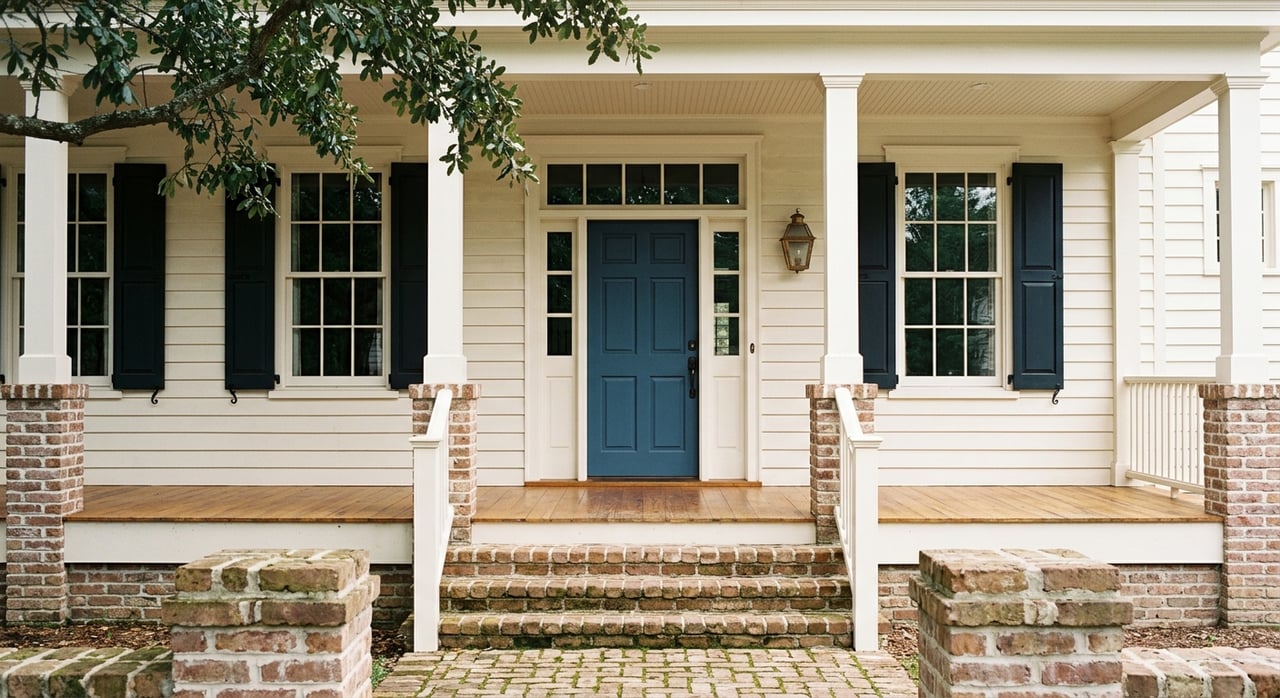
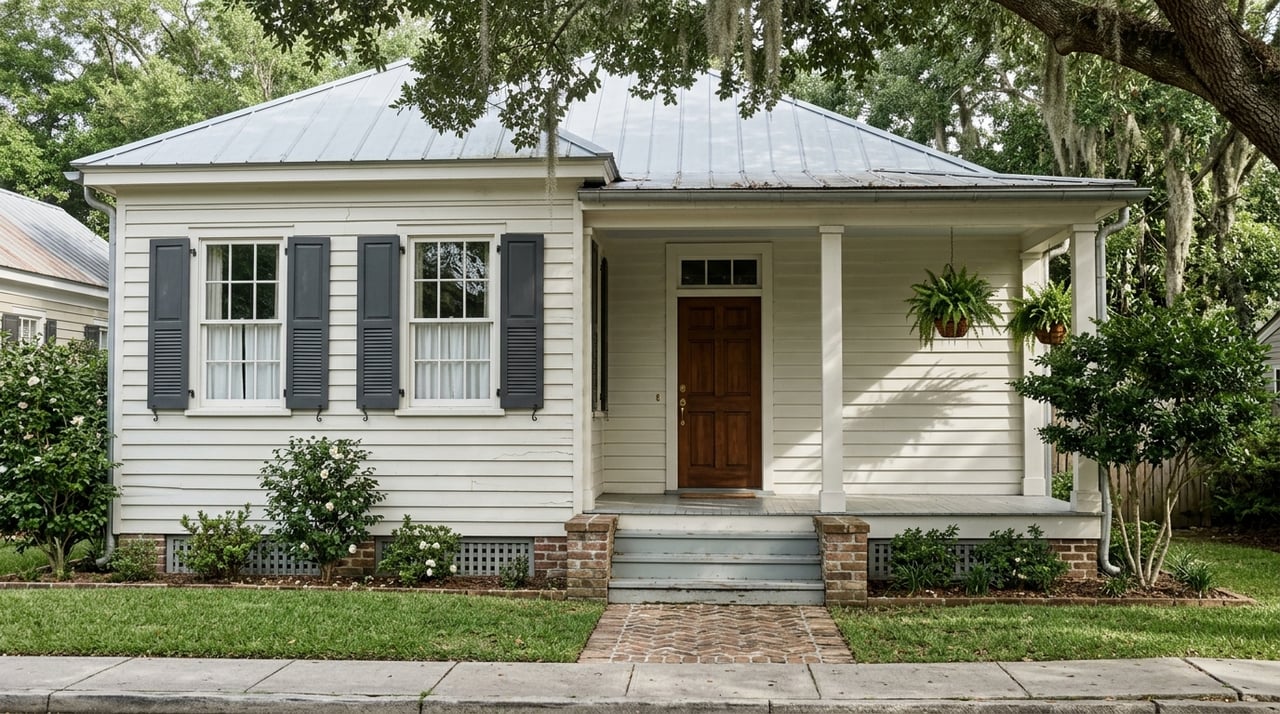
Most homes in the district are residential, single-story, raised above grade, and wood-framed. You will often see shallow front yards, cast-iron fencing, original brick sidewalks, and a strong rhythm of porches, rooflines, and window openings that give the area its identity.
What Counts as a Historic Cottage
In New Orleans, the term “historic cottage” can describe more than one house type. Louisiana preservation materials point to forms like the Creole cottage, which was compact and often relied on a roof overhang rather than a full gallery in dense urban settings.
You may also come across raised cottages, sometimes called American cottages. These are typically raised one-and-one-half-story homes with a center-hall plan and a front gallery, often set several feet above grade.
In Algiers Point, the picture gets even more layered. The district includes Creole, Greek Revival, Victorian, and Edwardian styles, along with later Bungalow, Mission Revival, and Moderne homes. So while a house may read as “simple cottage” at first glance, it can still include details like Greek Revival proportions, Victorian trim, or later period features.
Features Worth Protecting
When you tour a historic cottage, it helps to look beyond paint colors and decor. In a district like Algiers Point, long-term value often rests in the features that still express the home’s original form.
The strongest preservation potential usually comes from homes that retain their original roof shape, porch proportions, window openings, and front setback. Those elements help the house fit the historic streetscape and can matter later if you plan repairs or updates.
Other details can also signal a well-preserved home, including exterior woodwork, traditional door and window proportions, and original materials that remain repairable. A cottage does not need to be untouched to be appealing, but it helps when the major visible features still feel coherent and true to the house.
Start With the Building Envelope
For an older cottage, the first priority is not cosmetic. It is the building envelope, meaning the roof, drainage, exterior surfaces, windows, doors, and the areas most exposed to water.
The city’s exterior maintenance guidance flags several common warning signs: sagging or bowing roof ridges, cracked or loose roofing, rotted sills, peeling paint, cracked stucco, damaged piers, and moisture-related problems around windows, porches, galleries, and downspouts. In a humid climate, water intrusion can turn a manageable repair into a much larger issue.
That is why a beautiful facade should never be the end of your due diligence. In many historic houses, the real story is in how well the home sheds water and how consistently it has been maintained over time.
Roof and Drainage Checks
The roof is both a character feature and a functional system. The city’s roofing guidance notes that roof shape is part of the building’s historic identity, but it is also the first line of defense against weather.
As you evaluate a cottage, pay attention to cracked shingles, visible sagging, signs of ponding, failing gutters, or downspouts that drop water too close to the house. Poor drainage can affect siding, porches, foundations, and crawlspaces, so this is one of the most important areas to review early.
Windows, Doors, and Woodwork
Historic windows and doors deserve close attention because they affect both character and repair costs. The HDLC strongly encourages repair over replacement, and when replacement is necessary, the new work should closely match the original size, configuration, materials, muntins, profiles, and detailing.
Peeling paint is more than a cosmetic concern. It can let moisture into wood, which may lead to rot and more expensive repairs later. If a cottage still has older windows and exterior trim, ask whether they are functional, whether they have been maintained, and whether any previous changes were done in a way that aligns with local guidelines.
Foundation, Piers, and Crawlspace Conditions
Because many Algiers Point homes are raised, you should pay special attention to piers and crawlspaces. City guidance highlights cracking, movement, damaged piers, and wood-to-soil contact as important warning signs.
Wood near brick or concrete foundations can absorb moisture more easily, which raises the risk of rot and termite activity. A dry, accessible crawlspace with no obvious structural distress is a very different starting point than a house with chronic moisture issues below the floor.
Termites Are a Serious Louisiana Concern
In Louisiana, termite due diligence is essential. The LSU AgCenter advises buyers to hire a licensed pest management professional before purchase and obtain a wood-destroying insect report.
That matters even more in older wood-framed homes. LSU specifically warns that the Formosan subterranean termite can cause severe structural damage very quickly, so a casual visual check is not enough. If you are buying a historic cottage, this report should be part of your core pre-purchase checklist.
Lead Disclosure Still Matters
If the home was built before 1978, lead-based paint should be part of your review. EPA guidance says older homes are more likely to contain lead-based paint, and renovation work like sanding or window replacement can release dangerous lead dust.
Buyers of most pre-1978 housing also have a right to lead-based paint disclosure before signing a contract. For a historic property, that makes documentation especially important if you are planning repairs or improvements after closing.
Understand the HDLC Before You Buy
One of the biggest practical differences in Algiers Point is that it is a full-control historic district. That means exterior work visible from a public right-of-way must be submitted to the HDLC for review and approval before work begins, with paint color and plantings as exceptions.
This can affect more projects than buyers expect. Roof alterations, window swaps, porch changes, additions, visible material changes, and demolition may all require a Certificate of Appropriateness.
The city also rates properties as Significant, Contributing, or Non-contributing, and that can shape the level of review. If you are considering a cottage because you want to “update it later,” it is smart to understand those rules before you finalize the purchase.
Budget for Preservation, Not Just Cosmetics
A historic cottage budget should include more than move-in costs and surface upgrades. In Algiers Point, preservation-compliant repair work can be a major part of ownership.
The city identifies routine maintenance such as cleaning gutters and downspouts, painting exterior woodwork, and keeping vegetation away from walls as critical tasks. It also warns that prolonged neglect can become demolition by neglect when roofs, piers, woodwork, or walls become unsafe or vulnerable to water damage.
In other words, charm alone is not a budget strategy. A cottage with deferred maintenance may still be worth buying, but only if you understand what it will take to stabilize and care for it properly.
Flood Planning Should Happen Early
Flood risk should be part of your purchase analysis, not an afterthought. FEMA notes that flood insurance is separate from standard homeowners insurance and that buyers should verify the property’s flood zone and consult the local floodplain administrator before making changes.
FEMA also notes that an Elevation Certificate can help document compliance and support flood insurance rating. In higher-risk areas, floodplain rules can also affect what repair or rebuilding work may cost after a damaging event.
For a cottage in Algiers Point, a practical approach is to confirm flood zone, insurance cost, and whether any elevation documentation already exists before you move forward.
A Smart Buyer Checklist
If you want to approach a historic cottage with confidence, gather the documents and reports that speak to both condition and compliance.
Here is a strong starting checklist:
- Prior permit history
- Prior HDLC approval history
- Wood-destroying insect report
- Flood-zone information
- Flood-insurance estimates or current policy details
- Any existing Elevation Certificate
- Lead disclosure for pre-1978 homes
- Any prior testing or repair records related to exterior systems
This kind of preparation helps you see the difference between a home that is truly well-maintained and one that simply presents well.
How to Buy With Fewer Surprises
The best historic cottage purchases usually balance character, condition, and realistic planning. In Algiers Point, that often means focusing on roof integrity, effective drainage, dry crawlspaces, repairable windows, termite protection, and a clear understanding of what future exterior work may require.
If the home has already been carefully maintained, that can make ownership far more enjoyable. If it has deferred maintenance, you will want a strategy that respects the house’s architecture while protecting your investment.
For buyers who love historic homes, this is where thoughtful guidance matters most. A cottage in Algiers Point can be a remarkable place to call home, especially when you enter the process with clear eyes and the right team around you.
If you are considering a historic home in New Orleans and want a design-aware, detail-focused approach to the search, The Martzolf Group can help you evaluate character, condition, and long-term potential with care.
FAQs
What makes a historic cottage in Algiers Point different from other New Orleans homes?
- Algiers Point cottages are part of a compact historic district with a village-like setting, older streetscapes, and a mix of architectural styles that often include raised, wood-framed homes with distinctive rooflines, porches, and original setbacks.
What should you inspect first when buying a historic cottage in Algiers Point?
- You should start with the building envelope, especially the roof, drainage, windows, doors, exterior woodwork, piers, and crawlspace, because these areas are the most vulnerable to moisture damage and deferred maintenance.
What exterior changes require HDLC review in Algiers Point?
- In this full-control historic district, exterior work visible from a public right-of-way generally requires HDLC review and approval before work begins, including many changes to roofs, windows, doors, porches, additions, and visible materials.
Why is a termite report important for a historic cottage in Louisiana?
- LSU AgCenter recommends that buyers hire a licensed pest management professional and obtain a wood-destroying insect report before purchase because termites, including Formosan subterranean termites, can cause severe structural damage.
What flood documents should you request for an Algiers Point cottage?
- You should request flood-zone information, flood-insurance details, and any existing Elevation Certificate so you can better understand insurance costs, compliance, and possible repair or rebuilding considerations.
What lead-related information should buyers request for older Algiers Point homes?
- For most pre-1978 homes, buyers should request the required lead-based paint disclosure and review any available testing or renovation information, since older paint can create health risks during repair work.