Wondering what daily life really feels like in Faubourg Marigny and Bywater? These neighboring New Orleans districts are more than weekend destinations. They are lived-in, street-oriented places where coffee stops, historic homes, riverfront walks, and creative workspaces all shape your routine. If you are thinking about moving here or simply want a clearer picture of the rhythm of the area, this guide will walk you through what day-to-day living looks like. Let’s dive in.
Everyday Feel in Marigny and Bywater
Faubourg Marigny and Bywater sit just downriver from the French Quarter and function as a connected historic corridor. The City of New Orleans classifies both within its Historic Core Neighborhoods, which helps explain why the area feels dense, walkable, and closely tied to the street.
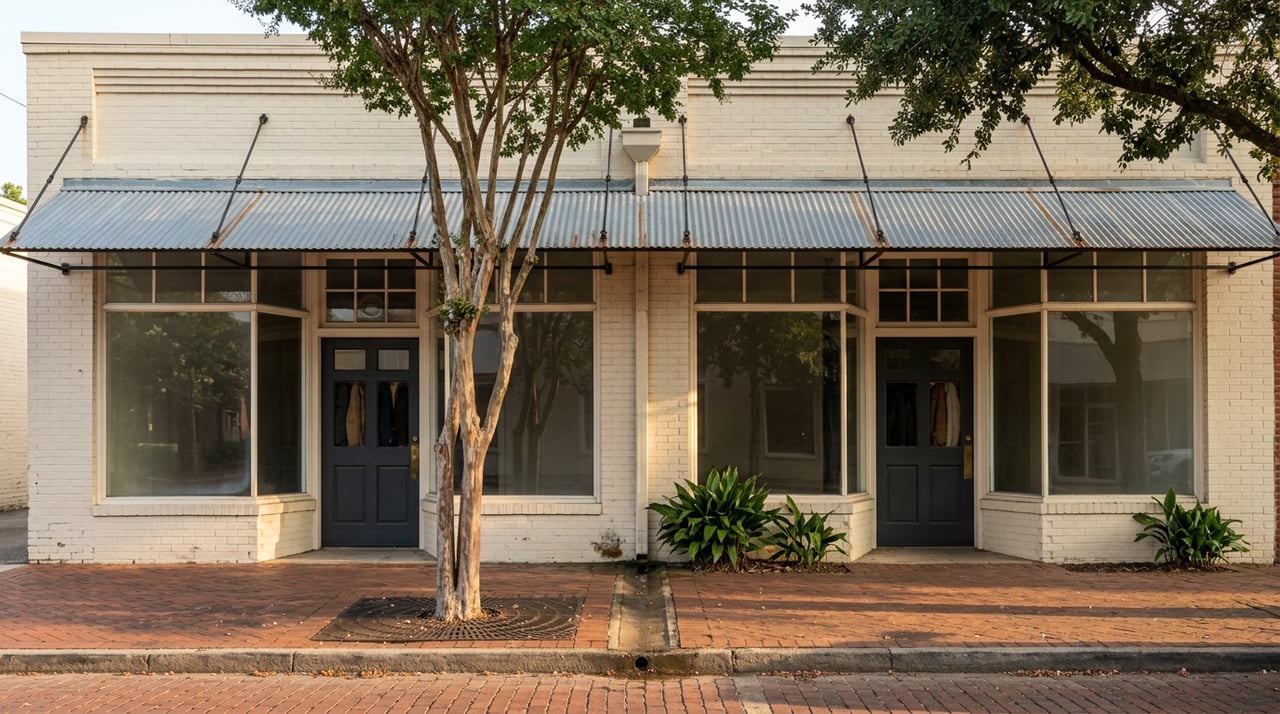
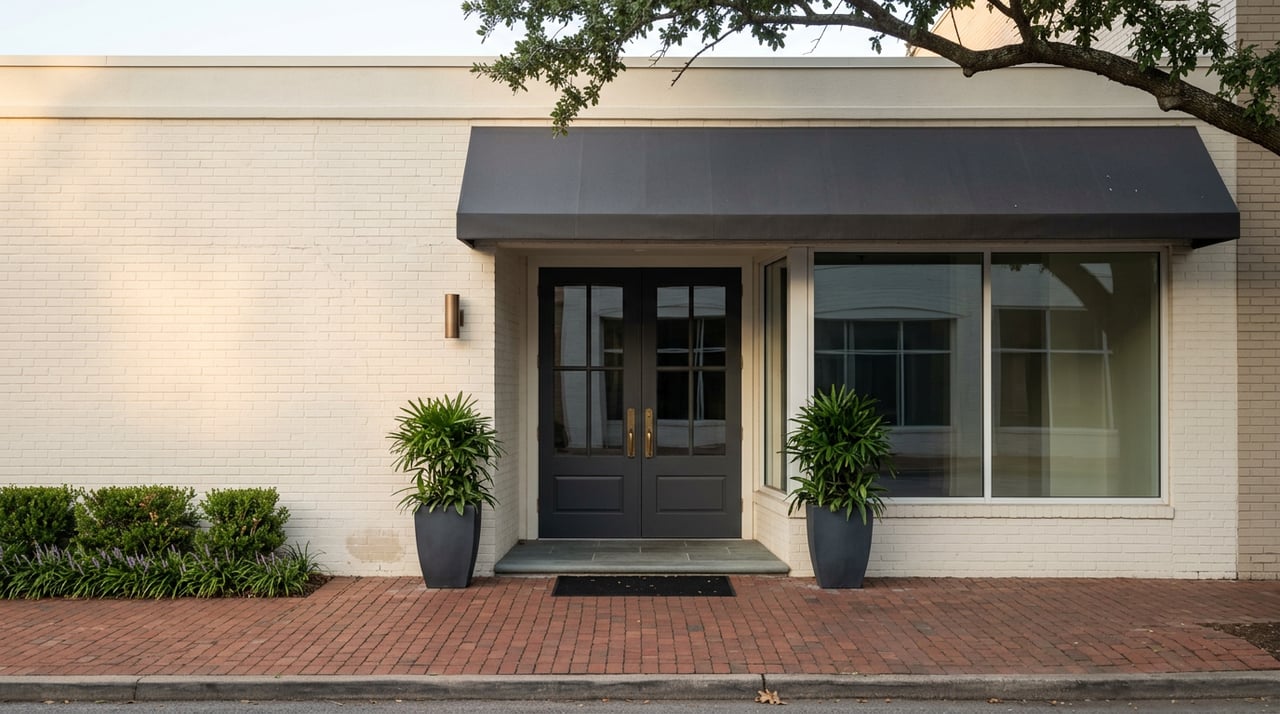
That historic pattern shows up in daily life. Homes and businesses often sit close to the sidewalk, blocks feel compact, and mixed-use corners make it easy to combine errands, coffee, and a walk without getting in the car. In many parts of Marigny and Bywater, the neighborhood experience is shaped more by pedestrian movement than by wide setbacks or large parking areas.
Historic Character Shapes Daily Life
Faubourg Marigny was established in 1806 and has long been defined by resident stewardship. Local preservation groups note that neighbors organized to protect the area from out-of-scale development, and that focus on quality of life still matters today.
Bywater has a similar sense of identity, though the feel is slightly different. It is mostly residential, with historic houses, galleries, artist housing, and local dining woven into the neighborhood fabric. St. Claude Avenue remains the main commercial corridor, so many daily routines naturally orbit that stretch.
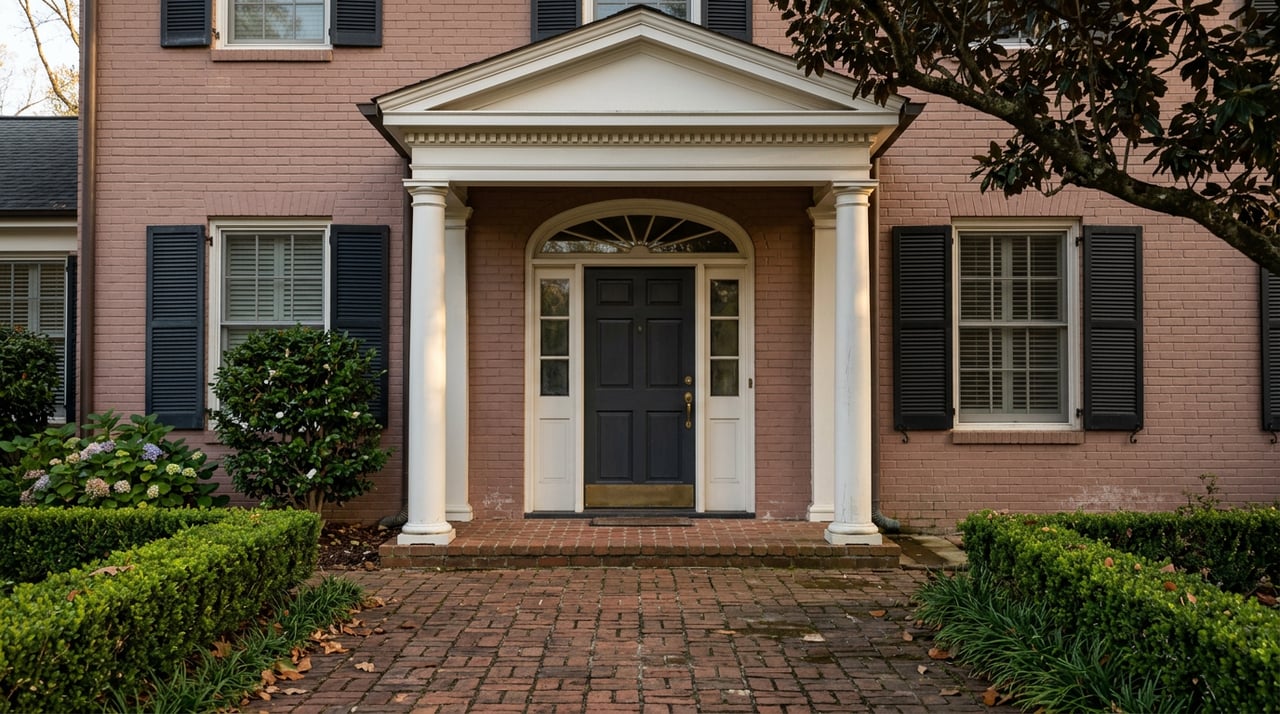
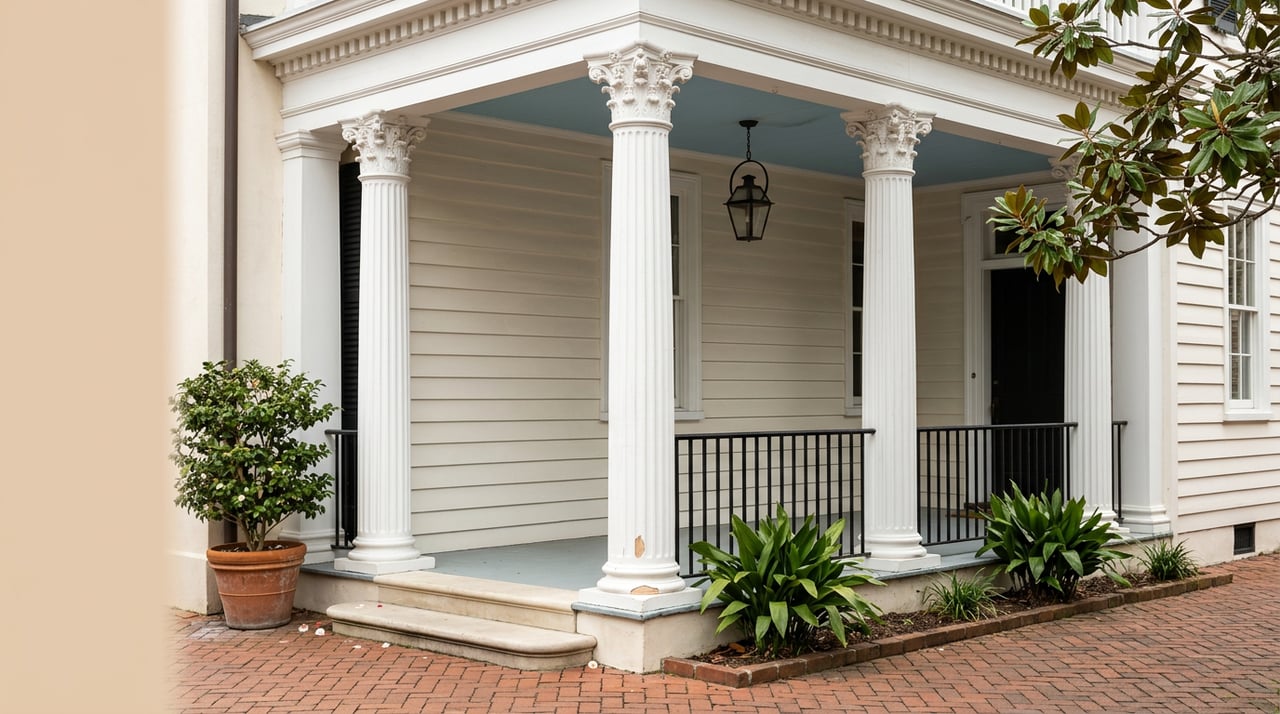
For you as a buyer or homeowner, this historic character is not just visual. It also affects ownership. Exterior work in local historic districts generally goes through the HDLC application process, so preservation review is part of the practical reality of owning here.
Mornings Start Close to Home
One of the biggest day-to-day perks in Marigny and Bywater is how easy it is to build a morning routine nearby. Instead of planning around a long drive, you can often keep things simple and local.
Satsuma Café on Dauphine Street works well as a reliable breakfast, lunch, coffee, and juice stop. It feels like the kind of place you return to regularly, which says a lot about how the neighborhood supports repeat-use spots instead of one-time destinations.
Bywater Bakery offers another easy daytime anchor. It serves coffee, pastries, breakfast, and lunch, and also frames itself as a neighborhood hub, including dog-walking meetups. That kind of everyday use adds to the lived-in feel many buyers are looking for.
If you want more variety in one stop, St. Roch Market on St. Claude offers coffee starting at 7 a.m. along with breakfast, lunch, brunch, and happy-hour options from independent vendors. Marigny Market on Elysian Fields adds another casual option for quick meals close in.
Workdays Can Stay Local
If you work remotely or want flexible workspace close to home, this corridor offers practical options. That matters if you are trying to picture not just weekends here, but your full Monday-through-Friday routine.
The Warehouse on Dauphine provides private offices, coworking memberships, conference rooms, fiber internet, bike racks, and free parking. It is also blocks from Crescent Park and surrounded by restaurants and cafés, which makes it easier to break up the day without leaving the neighborhood.
The area also supports creative work in a broader sense. Preservation groups note that former riverfront warehouses in Marigny now house artists’ studios and performance spaces, while Marigny Studios operates in a repurposed mid-century dance hall. In practical terms, that means the neighborhood has daytime energy that goes beyond residential use.
Community Life Feels Active and Local
Marigny and Bywater are not just places where people live near each other. They also have visible neighborhood organizations and community spaces that support everyday connection.
The New Orleans Healing Center serves as a community and events center with businesses and organizations under one roof. Its mix includes art, wellness, and community-focused uses, along with a welcoming library and free food and pet-food pantries.
Business and civic groups also help shape the local rhythm. BYMBO represents an active business district stretching from Claiborne to the river and from Esplanade to the Industrial Canal, and it runs recurring meetings and neighborhood cleanups. In Marigny, FMIA adds another layer through newsletters, monthly meetings, walking tours, home tours, and seasonal events.
For many buyers, this is a meaningful part of daily life. You are not just choosing a house. You are choosing whether the neighborhood gives you ways to plug in, stay informed, and feel connected to the place around you.
Crescent Park Extends Your Living Space
Crescent Park is one of the biggest lifestyle assets in this part of New Orleans. The 1.4-mile linear riverfront park runs through Marigny and Bywater from Elysian Fields to Mazant, creating a long, scenic space for movement and downtime.
The city describes it as a biking and jogging park with seating, picnic tables, gardens, and views of the Mississippi River and Downtown. In Bywater, access at Piety and Chartres connects through the Rusty Rainbow bridge, which many residents use as part of their regular routine.
If you are comparing neighborhoods, this matters. Easy riverfront access can change how you spend a weekday morning, an evening walk, or part of your weekend without needing a full outing plan.
Getting Around Without Overcomplicating It
Because Marigny and Bywater developed around pedestrian movement, short trips often feel manageable on foot, by bike, or through transit. That can be a major advantage if you prefer neighborhoods where daily errands and meetups do not always require a car.
RTA operates bus, streetcar, ferry, and ADA paratransit service across New Orleans. In this corridor, Routes 8 and 55 currently connect key points such as Main Library Hub, Rampart at Esplanade, St. Claude, and Elysian Fields. The Le Pass app is the official tool for fares and route information.
The practical takeaway is simple. If you live here, walking, biking, and short transit trips may become a bigger part of your daily routine than they would in more car-oriented areas.
Parking Is Part of the Equation
At the same time, it is important to understand the ownership realities that come with historic core living. The same dense, pedestrian-scale pattern that gives the neighborhood its charm also means off-street parking is limited in many places.
The city zoning code highlights minimal setbacks and very little off-street parking in these historic core neighborhoods. The Bywater district guide also notes that most properties rely on street parking. If you are relocating from a place where private driveways and garages are the norm, this is one of the biggest day-to-day adjustments to think through.
That does not make the area less appealing. It just means your home search should match your routine. If parking convenience is high on your list, it is worth weighing block-by-block conditions and how often you expect to drive.
What Homeownership Looks Like Here
Owning in Marigny or Bywater can be especially appealing if you value historic architecture and neighborhood character. It can also be rewarding if you appreciate places where design, preservation, and local identity still matter in visible ways.
That said, buying here requires a practical lens. Historic district ownership often includes HDLC review for exterior changes, and the street-oriented built form may affect how you think about parking, outdoor space, and updates.
This is where neighborhood-specific guidance matters. A home can be beautiful on paper, but the right fit depends on how it supports your actual routine, design goals, and comfort with historic-home stewardship.
Why Buyers Are Drawn to the Corridor
For many people, the appeal comes down to balance. Marigny and Bywater offer historic housing, daily convenience, creative energy, community infrastructure, and riverfront access in one connected area.
You can picture a day here pretty easily. Coffee in the morning, a walk or bike ride through Crescent Park, a local workspace or home office setup during the day, and nearby food or community events in the evening. That rhythm is what makes these neighborhoods feel distinct.
If you are drawn to New Orleans neighborhoods with architectural character and a strong sense of place, Marigny and Bywater often stand out for exactly that reason.
If you are considering a move and want help weighing block-by-block lifestyle, historic-home considerations, and design potential, The Martzolf Group offers thoughtful, neighborhood-specific guidance rooted in New Orleans living.
FAQs
What is daily life like in Faubourg Marigny and Bywater?
- Daily life in Faubourg Marigny and Bywater tends to feel walkable, local, and street-oriented, with nearby coffee spots, mixed-use corridors, riverfront access, and active neighborhood organizations shaping the routine.
Are Faubourg Marigny and Bywater walkable neighborhoods in New Orleans?
- Yes. The City of New Orleans classifies both as Historic Core Neighborhoods, and their dense mixed-use patterns, minimal setbacks, and pedestrian-scale layout support walking and short local trips.
What are common coffee and breakfast spots in Marigny and Bywater?
- Common daytime options include Satsuma Café on Dauphine Street, Bywater Bakery, St. Roch Market on St. Claude, and Marigny Market on Elysian Fields.
Is parking easy in Faubourg Marigny and Bywater?
- Parking can take more planning because many properties rely on street parking, and the historic core pattern includes very little off-street parking.
What should homeowners know about historic homes in Marigny and Bywater?
- Homeowners should know that exterior work in local historic districts generally goes through the HDLC application process, so preservation review is part of owning in the area.
Does Faubourg Marigny and Bywater have riverfront access?
- Yes. Crescent Park runs through both neighborhoods and offers a 1.4-mile riverfront park with biking and jogging paths, seating, gardens, picnic tables, and river views.