If you are deciding between Mid-City and Uptown, you are not choosing between a good neighborhood and a bad one. You are choosing between two strong New Orleans lifestyles that feel different day to day. The right fit depends on how you want your block, your park access, and your everyday routine to look and feel. Let’s dive in.
Mid-City vs. Uptown at a Glance
Mid-City and Uptown sit relatively close to each other, but they offer distinct experiences. Mid-City feels more like park-and-grid neighborhood living, with a looser residential pattern, broad avenues, and housing that often includes shotguns and bungalows.
Uptown feels more like historic-avenue living, with stronger corridor-based activity, more variation in home scale, and a more formal architectural presence. Official New Orleans tourism materials also treat Uptown as a collection of named areas rather than one uniform neighborhood, which helps explain why block character can shift as you move through it.
Housing Style and Streetscape
Mid-City homes and blocks
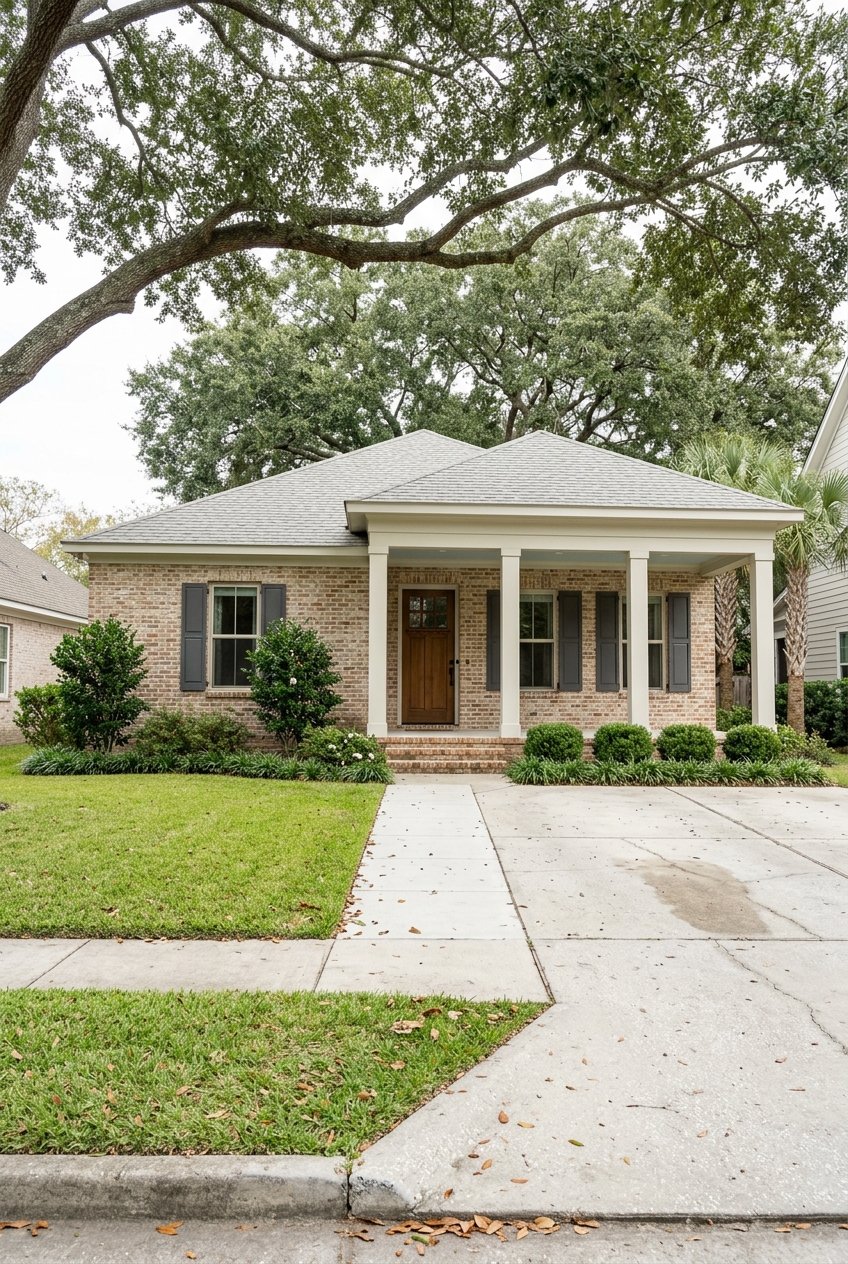
Mid-City is known for brightly colored shotgun houses, cozy bungalows, and wide porches. The neighborhood guide also points to broad oak-lined avenues and stately homes along Canal Street, giving the area a mix of casual charm and larger historic touches.
For many buyers, Mid-City feels more relaxed block by block. The housing stock tends to read as approachable and varied, with a residential grid that makes the neighborhood feel connected and easy to understand.
Uptown homes and blocks
Uptown offers a broader mix of historic housing styles, from row houses and cottages to Classic Revival mansions. Giant oak trees, decorative facades, and long-established streetscapes give many parts of Uptown a stronger architectural formality.
If you are drawn to historic character with a more polished, avenue-centered feel, Uptown may stand out. It often offers more dramatic variation in scale, which can make one block feel intimate and the next feel grand.
What this means for buyers
If your ideal home base includes bungalows, shotguns, and a neighborhood that feels a little looser and more eclectic, Mid-City may be the better match. If you prefer a stronger historic presence and more formal streetscapes, Uptown may align better with your style.
For design-minded buyers, this difference matters. The architecture around you shapes how a neighborhood feels every time you come home.
Park Access and Outdoor Life
Mid-City’s park-centered lifestyle
Mid-City is anchored by City Park and the Lafitte Greenway. City Park spans 1,300 acres and includes the Botanical Garden, Couturie Forest and Arboretum, the New Orleans Museum of Art, the Louisiana Children’s Museum, trails, playgrounds, and one of the country’s largest collections of mature live oaks.
The Lafitte Greenway adds another layer to daily life in Mid-City. This 2.6-mile linear park and multi-use trail connects neighborhoods across the city and supports both recreation and active transportation.
Uptown’s outdoor rhythm
Uptown’s marquee green space is Audubon Park. According to the official park site, it includes a 1.8-mile jogging path, lagoon, picnic pavilions, playgrounds, tennis courts, riding stables, soccer fields, a pool, a clubhouse, and a golf course.
That gives Uptown a different outdoor identity. Instead of being tied to City Park and the Greenway, Uptown life often centers on Audubon Park along with the nearby St. Charles and Magazine corridors.
Which neighborhood feels more park-oriented?
Both neighborhoods offer strong access to green space, but they do it differently. Mid-City feels more broadly park-centered because City Park and the Greenway shape both recreation and movement through the area.
Uptown offers a more anchored park experience, with Audubon Park serving as a major destination within a larger network of active streets. If you want your routine to revolve around one major urban park plus multiple nearby corridors, Uptown may feel more natural.
Transit, Commuting, and Daily Movement
Getting around Mid-City
Mid-City is served by the Canal Streetcar line, a 5.5-mile route running from the foot of Canal Street through the CBD into Mid-City. It includes a City Park/Museum branch and ends near the Mid-City cemeteries.
The neighborhood guide also notes that Mid-City is about a 10-minute drive from both Uptown and Downtown, with readily available street parking. For many buyers, that mix of streetcar access, bike connectivity, and road convenience is a practical advantage.
Getting around Uptown
Uptown is oriented around the St. Charles streetcar line, which runs from Canal Street in the CBD through Uptown to Carrollton at Claiborne. It also benefits from access to active destination streets like Magazine, Oak, Maple, and Freret.
That creates a different pattern of daily movement. In Uptown, your routine may be shaped less by a single neighborhood grid and more by a series of walkable commercial nodes connected by familiar avenue routes.
Which is easier for daily convenience?
If you want a transit-friendly, bike-friendly setup with a clear connection to City Park and the Greenway, Mid-City has a strong case. If you like the idea of moving through several established shopping and dining corridors tied together by the St. Charles spine, Uptown may feel easier for your lifestyle.
Neither is one-size-fits-all. The better choice depends on whether you picture your week around one connected grid or several distinct destination streets.
Dining and Commercial Corridors
Mid-City’s neighborhood mix
Mid-City’s food and shopping scene feels eclectic and neighborhood-based. Official guides highlight brunch spots, Vietnamese food, cocktail bars, beer gardens, local boutiques, and cozy bookstores.
What stands out is the spread. Rather than one dominant restaurant row, Mid-City offers interesting pockets across the neighborhood, especially around Canal Street and surrounding blocks.
Uptown’s corridor structure
Uptown offers several clearly defined commercial corridors. Magazine Street stretches six miles from Canal Street to Audubon Park, passing through multiple major districts and offering shopping, cafes, bars, dining, and mixed-use blocks along the way.
Freret Street adds another active corridor, with dozens of restaurants and a revived commercial core between Jefferson and Napoleon. Oak Street and Maple Street are smaller, but they still contribute restaurants, coffee shops, and music venues to everyday life in Uptown.
Which has more built-in options?
If you prefer a neighborhood where great local spots are woven throughout the grid, Mid-City may feel more organic. If you want several clearly recognizable corridors where you can choose between different dining and shopping scenes, Uptown offers more concentrated options.
This is one of the biggest lifestyle differences between the two areas. Mid-City reads as scattered neighborhood energy, while Uptown reads as multiple destination streets working together.
A Simple Way to Choose
If you are still deciding, start with the rhythm you want from your surroundings.
Mid-City may fit you best if you want:
- Close ties to City Park and the Lafitte Greenway
- A looser, more eclectic streetscape
- Housing that leans toward shotguns and bungalows
- A daily routine shaped by a residential grid and flexible movement
Uptown may fit you best if you want:
- More formal historic architecture
- Strong oak-canopy blocks and avenue streetscapes
- Easy access to Audubon Park
- Multiple shopping and dining corridors built into daily life
In simple terms, Mid-City is often the choice for buyers who want a park-centered neighborhood feel. Uptown often appeals to buyers who want a more historic, corridor-rich experience with a stronger sense of architectural drama.
Why Block-Level Guidance Matters
This comparison is helpful, but New Orleans neighborhoods are never just one thing. Uptown, in particular, is best understood as a collection of distinct areas rather than a single uniform place, and even Mid-City can shift in feel depending on your proximity to Canal, City Park, or the Greenway.
That is why local guidance matters when you are buying. The right home is not just about square footage or price point. It is also about whether the block, streetscape, and daily patterns fit the way you want to live.
If you are weighing Mid-City against Uptown, working with a team that understands architecture, neighborhood texture, and lifestyle fit can make the search much clearer. When you are ready to talk through your options, connect with The Martzolf Group.
FAQs
Which New Orleans neighborhood feels more residential, Mid-City or Uptown?
- Mid-City often feels more residential-grid oriented, while Uptown tends to feel more avenue-centered with distinct pockets and corridors.
Which neighborhood has better park access, Mid-City or Uptown?
- Mid-City is centered around City Park and the Lafitte Greenway, while Uptown is anchored by Audubon Park.
Which area has more dining corridors, Mid-City or Uptown?
- Uptown has more clearly defined commercial corridors, including Magazine Street, Freret Street, Oak Street, and Maple Street.
Which neighborhood is easier to navigate without one driving pattern every day?
- Mid-City may appeal more if you want a mix of Canal Streetcar access, bike connectivity, and Greenway movement, while Uptown may suit you if you prefer several walkable destination streets tied to the St. Charles streetcar.
Which neighborhood is better for historic home lovers in New Orleans?
- Uptown generally offers a broader range of formal historic architecture, while Mid-City often leans toward shotguns, bungalows, and a more eclectic residential character.