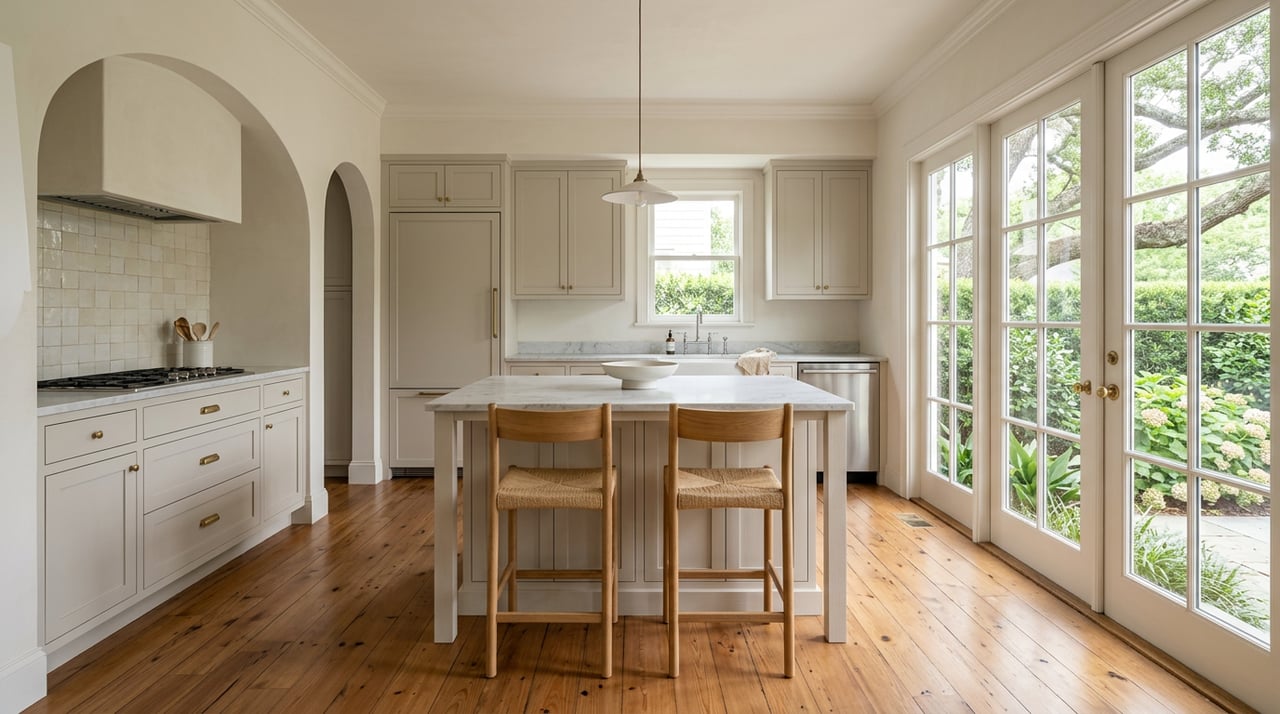
If you love deep front porches, mature trees, and the warmth of original details but still want an open kitchen and a great primary suite, Old Metairie makes it easy to have both. Many homes here carry early 20th‑century character while offering the comfort you expect today. In this guide, you’ll learn what Old Metairie living feels like, the styles and lots you’ll find, how local rules shape renovations, and the key steps to buy or update with confidence. Let’s dive in.
Why Old Metairie works today
Old Metairie sits directly next to the New Orleans city line, centered on and around Metairie Road. The neighborhood grew as a streetcar and ridge suburb, so you see tree‑lined streets, porch‑forward homes, and walkable pockets that feel settled and welcoming. The location keeps you close to New Orleans jobs and amenities while offering a calm, residential pace. You can explore a concise history of the area through the local neighborhood association’s resources at the Old Metairie Neighborhood site.
Metairie Road remains the area’s social and commercial spine. Small restaurants, boutiques, and civic programming keep the corridor lively, including parade activity tied to St. Patrick’s Day and some Mardi Gras events. Business groups support regular improvements and events along the corridor, which you can track through Metairie Road’s business organization.
For daily life, residents often use Lafrenière Park and Wally Pontiff Jr. Playground, and many streets include shaded sidewalks and front porches that invite neighbors to connect. The overall rhythm reads like a classic suburb close to the city. You can find more local context at the Old Metairie Neighborhood site.
What homes look like here
Architectural eras and styles
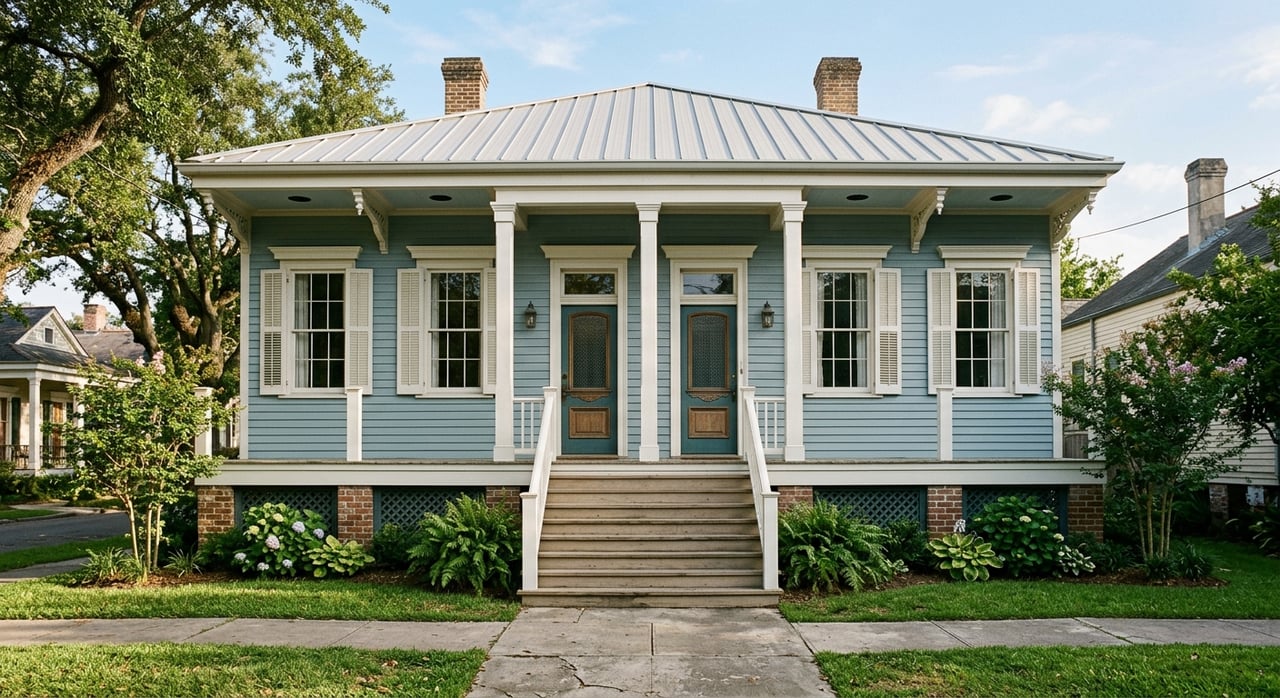
You will see several waves of architecture. Near the ridge and Metairie Road, early 20th‑century cottages and bungalows are common. Across the neighborhood, inter‑war and post‑World War II homes add traditional brick styles and mid‑century forms. More recent infill brings two‑story construction designed to respect neighborhood scale. Inside, many homes blend original details like hardwood floors, transoms, and moldings with later updates.
Lots, trees, and streetscape
Lots here often run deeper than typical New Orleans urban parcels, with examples around 50 feet of frontage and 120 to 150 feet in depth, though dimensions vary by block. The mature live oak canopy is a signature. Two tools help preserve this character: the Old Metairie Neighborhood Conservation District (OMNCD) and the Metairie Ridge Tree Preservation District (MRTPD). These overlays influence demolition, additions, grading, and tree removal, which helps keep the streetscape cohesive. You can read about OMNCD standards and process on the Metairie Club Gardens resource page.
Price and market snapshot
Recent neighborhood data shows Old Metairie’s median values above broader Metairie figures, with an Old Metairie median around $467,500 and ZIP 70005 around $465,000. You’ll find a wide range here, from smaller cottages and condos to mid‑century brick homes and high‑end new builds or large renovations. Inventory moves quickly, so plan to pull current numbers when you are ready to tour.
Blending charm with comfort
High‑impact updates buyers love
Across the New Orleans metro, the updates that deliver the most appeal include modernized kitchens, refreshed bathrooms, and better outdoor living. Covered dining areas, patios, and modest pools are all popular in our climate. For project planning and national context on remodeling priorities, the National Association of REALTORS offers a helpful field guide to remodeling trends.
Keep character, follow local rules
In Old Metairie, many homeowners choose to refinish original floors, preserve porch lines, and retain trim while opening up kitchens and upgrading systems like HVAC and electrical. Thoughtful projects pair period‑friendly materials with contemporary function. Local builders frequently document this approach in whole‑home renovations across the metro, from finish upgrades to full MEP updates, as seen in examples from a New Orleans design/build firm at MLM, Inc..
The OMNCD overlay sets guidance for setbacks, massing, and exterior materials. It often encourages matching existing materials and roof pitch, and limits certain claddings on prominent elevations. This framework favors restorations and sympathetic additions over clashing facelifts. Review highlights and process on the OMNCD overview before you draw plans.
Trees, site work, and pools
Protected trees are part of Old Metairie’s identity. Work that affects root zones, driveway alignment, grading, or pool placement can require review and permits. If you are planning significant backyard changes, verify MRTPD requirements and whether a Parkways or Tree permit is needed. Start with Parish resources on permit triggers and approvals and the tree and parkways FAQ.
What to know before you buy
Permits and timelines
Expect most exterior work, new construction, additions, and demolitions to go through Parish review. OMNCD applications are administered by the Jefferson Parish Planning Department. Many projects receive a technical review, and some also go to the Old Metairie Commission. The OMNCD resource page outlines steps, fees, and a minimum technical review period of at least ten business days, with additional time for commission or council steps when needed. See the process overview at the OMNCD information page.
Flood maps, elevation, and insurance
Flood risk is a key due‑diligence item parish‑wide. Confirm the FEMA flood zone through the official FEMA Flood Map Service Center, and request an Elevation Certificate if available. Local code can affect finished‑floor elevation for new structures and substantial improvements, which impacts design and cost, especially in AE zones. For a reference on local elevation standards, see this Jefferson Parish code summary.
Flood insurance pricing now uses FEMA’s Risk Rating 2.0 method, which prices policies at the property level. Some properties see increases while others decrease. The National Association of REALTORS offers a practical overview of how this works and what to ask for when you shop policies. Review their Risk Rating 2.0 guide as you plan.
Buyer checklist for Old Metairie
Use this quick list during your search and inspection period:
- Confirm whether the parcel is within the OMNCD and the MRTPD. Ask for copies of any prior approvals or denials tied to the property. Start with the OMNCD info page.
- Request a permit history for electrical, plumbing, structural work, and any site plans approved by the Parish. Check Parish guidance on when permits are required.
- Verify the FEMA flood zone, request an Elevation Certificate, and obtain a current flood insurance quote. Use the FEMA Map Service Center.
- Clarify tree protection limits. Ask if significant trees are in the right of way or near planned improvements, and whether tree permits exist. Review the Parish tree and parkways FAQ.
- Ask for recent utility, roof, and HVAC service records. Older homes often need HVAC and electrical updates when you open walls for kitchen and bath work. For examples of typical scope, see project types highlighted by MLM, Inc..
- Verify lot depth and usable backyard area using MLS and Parish records. Block‑to‑block variation is common, so confirm exact dimensions for each address.
Outdoor life and local rhythm
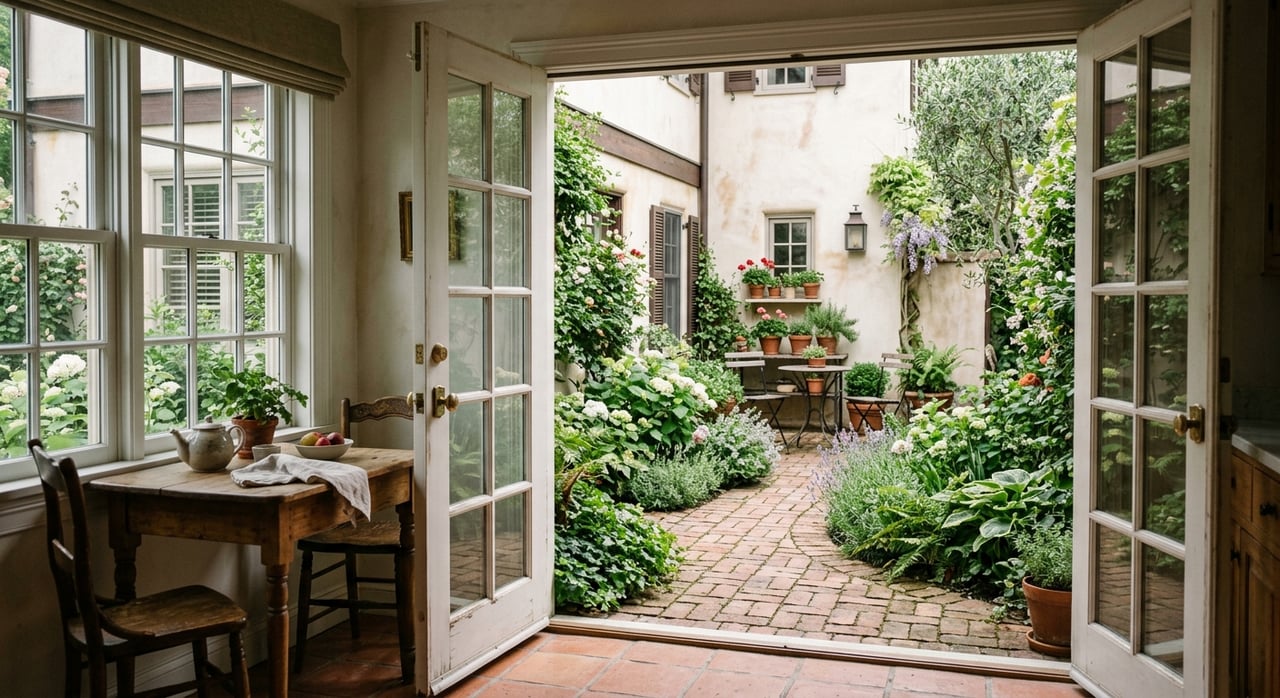
Old Metairie’s established tree canopy, porches, and sidewalks set a relaxed tone. Many residents enjoy nearby Lafrenière Park and Wally Pontiff Jr. Playground for recreation and youth sports. Along Metairie Road, periodic civic events and parade activity create a neighborhood feel you can tap into at your pace. Learn more through the Old Metairie Neighborhood association and Metairie Road’s business district updates.
How The Martzolf Group helps
You want a home that feels classic on day one and only gets better with thoughtful updates. As a boutique, design‑forward team, we help you spot the homes with great bones, evaluate OMNCD and MRTPD implications early, and plan the right improvements to balance character and comfort. Our in‑house staging and renovation consulting make your move seamless, whether you are buying a polished renovation or unlocking potential in a cottage that needs a kitchen and bath refresh.
If you are selling, we pair finish‑level advice with curated marketing to position your home for today’s buyer. If you are buying, we guide you to the right streets, the right lots, and the improvements that create lasting value.
Ready to explore Old Metairie? Connect with The Martzolf Group for a tailored plan.
FAQs
How close is Old Metairie to New Orleans?
- Old Metairie sits directly adjacent to the New Orleans city boundary, with Metairie Road as a historic corridor into the city and easy access to I‑10 and the Causeway corridor.
What home styles will I find in Old Metairie?
- You will see early 20th‑century cottages and bungalows, mid‑century brick homes, and newer infill that respects neighborhood scale, often with preserved interior details.
Are large trees protected during renovations?
- Yes. In the Metairie Ridge Tree Preservation District, removing significant trees or working near root zones can require permits; review Parish tree FAQs early.
Can I modernize a kitchen without losing character?
- Many owners refinish original floors and trim while opening kitchens and updating systems; OMNCD guidance favors matching exterior materials and respectful additions.
What permits and reviews should I expect?
- Exterior work, additions, and demolitions typically require OMNCD review and Parish permits; allow at least ten business days for technical review, with added time if commission steps apply.
How do I check a property’s flood risk and elevation needs?
- Look up the FEMA flood zone via the FEMA Map Service Center, request an Elevation Certificate, and verify local elevation rules that may affect design.
What outdoor upgrades are most popular locally?
- Covered outdoor dining, patios, and modest pools are common, along with updated kitchens and baths that add comfort while staying sympathetic to the home’s style.