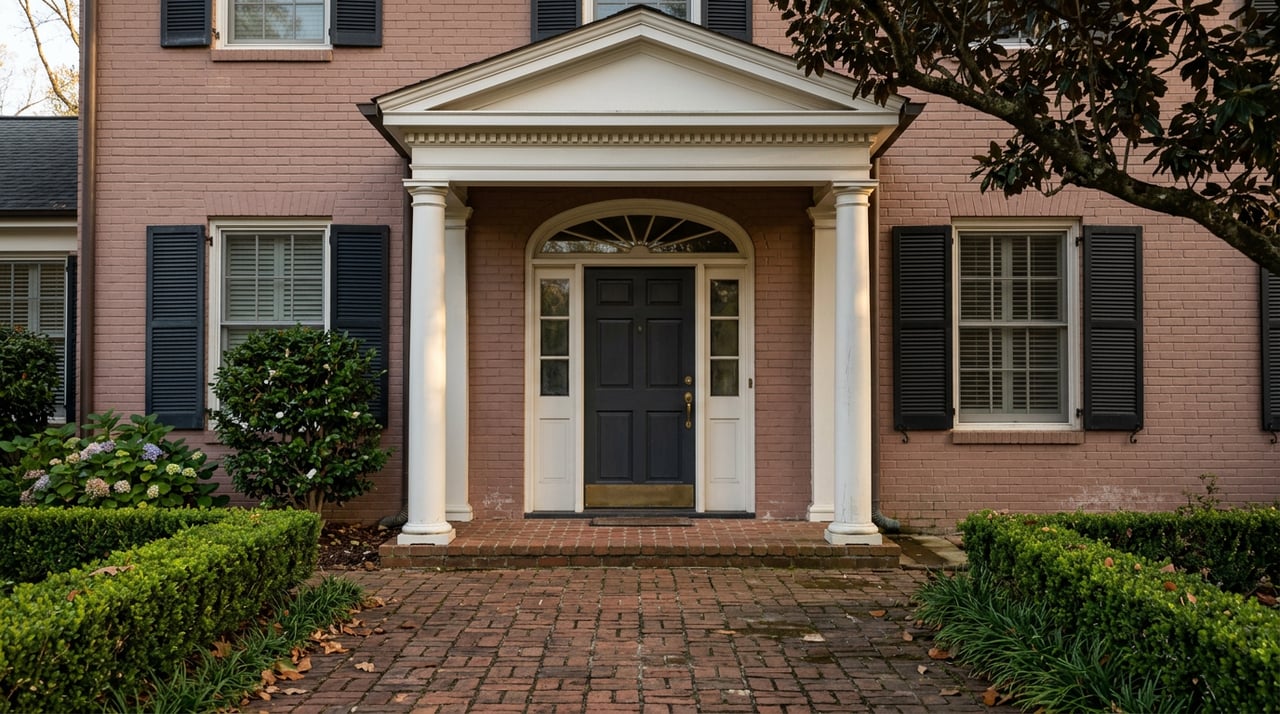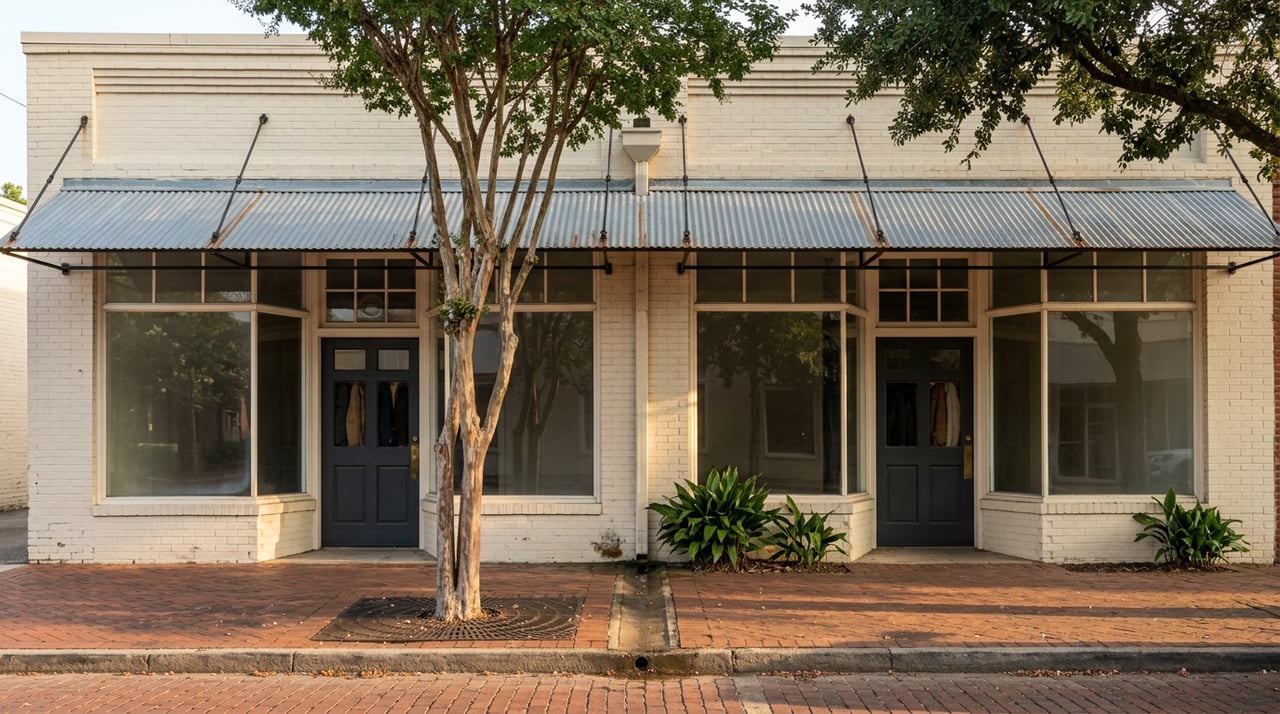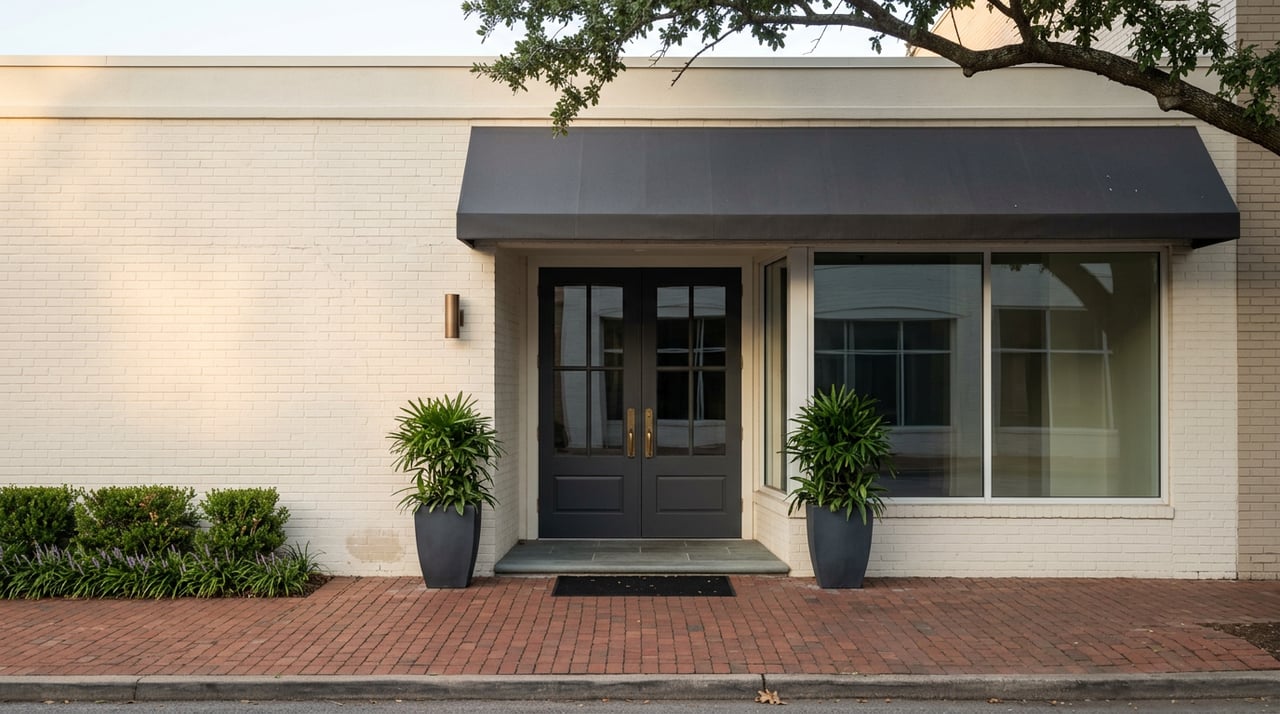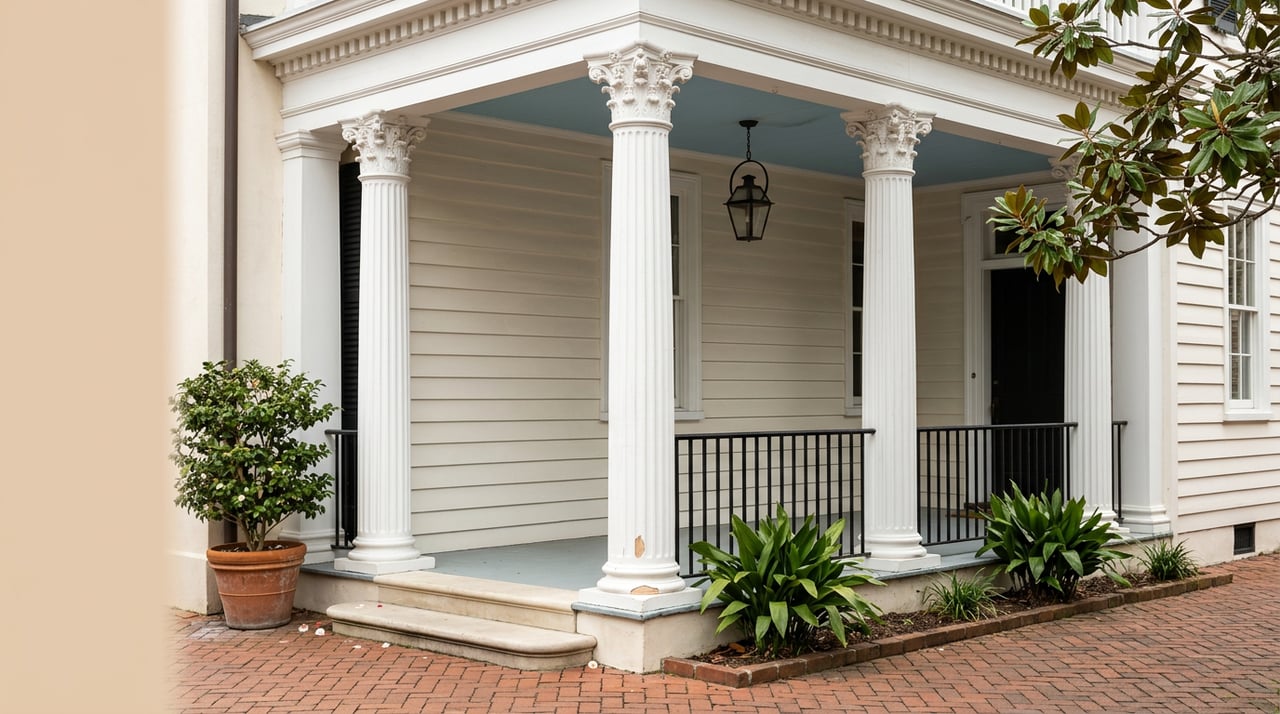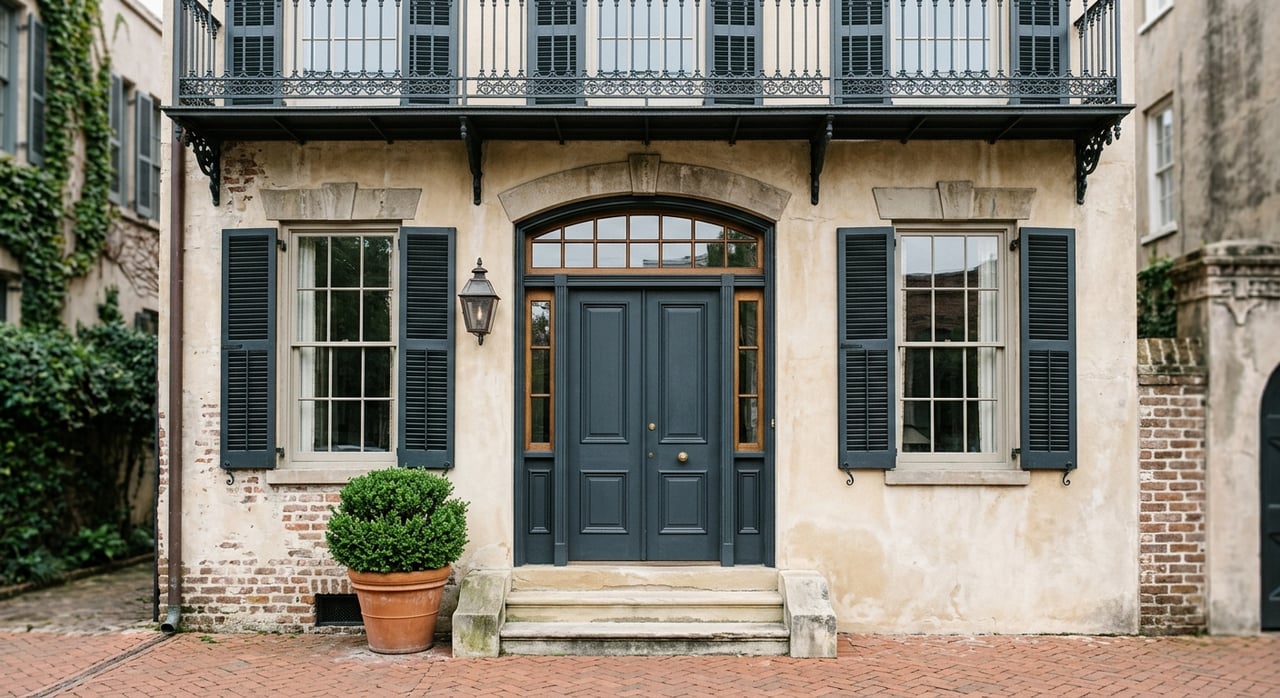
Selling a French Quarter home is not the same as preparing a typical New Orleans listing. In the Vieux Carré, buyers notice every shutter, gate, courtyard wall, and paint finish, and they often ask careful questions about what was preserved, what was changed, and what was approved. If you want to list with confidence, the goal is simple: present your home beautifully, respect its historic character, and organize the details buyers care about most. Let’s dive in.
Why French Quarter prep is different
The French Quarter sits within the Vieux Carré Historic District, which the City of New Orleans defines by Iberville Street, North Rampart Street, Esplanade Avenue, and the Mississippi River. Within that district, the Vieux Carré Commission oversees preservation and reviews exterior work based on a property’s historic and architectural significance.
That matters when you prepare to sell. In many neighborhoods, pre-listing improvements can be more flexible. In the French Quarter, visible details and exterior changes carry extra weight because they shape both buyer perception and the local approval process.
The Vieux Carré Commission’s design guidelines devote separate attention to roofing, woodwork, masonry and stucco, windows and doors, balconies, galleries, porches, painting, courtyards, lighting, and other exterior elements. For you as a seller, that is a practical roadmap. The features worth the most attention are usually the ones buyers see immediately and the ones the district treats with care.
Focus on visible, period-respectful updates
Before you think about major changes, start with the basics that make a home feel well cared for. National staging data from 2025 shows that sellers’ agents most often recommend decluttering, cleaning the entire home, and improving curb appeal.
That advice fits the French Quarter especially well. Simple, highly visible improvements often do the most to strengthen first impressions without disrupting the home’s historic rhythm.
Start with presentation first
A clean, edited home helps buyers focus on architecture instead of distractions. In a historic property, that can mean letting original doors, ironwork, ceiling heights, millwork, and courtyard views stand out.
Prioritize these early steps:
- Declutter each room
- Deep clean the entire home
- Remove anything that blocks key architectural features
- Refresh linens, lighting, and surface styling
- Simplify storage areas and closets
Staging can still play an important role. In the 2025 staging profile, 83% of buyer agents said staging made it easier for buyers to envision the property as their future home, and 49% of sellers’ agents said staging reduced time on market.
Highlight the rooms buyers study most
The same 2025 staging data found that the most commonly staged rooms were the living room, primary bedroom, dining room, and kitchen. That is useful for French Quarter sellers because these spaces often balance historic character with daily function.
If you are deciding where to spend time and energy, begin there. Then extend the same care to any courtyard, balcony, gallery, or entry sequence that helps define the home’s identity.
Treat character as an asset
French Quarter buyers are rarely looking for a generic finish-out. They tend to respond to homes that feel coherent, well maintained, and true to their architectural setting.
That means your prep should support the home’s original feeling instead of flattening it. Clean lines, crisp maintenance, and restrained styling usually outperform trendy choices that compete with the architecture.
Pay close attention to exterior details
In the Vieux Carré, exterior presentation deserves special focus. The city’s guidelines and resources emphasize windows, doors, shutters, balconies, iron railings, gates, courtyards, paint, roofing, and related architectural details.
These are not just decorative features. They shape how buyers judge condition, stewardship, and authenticity before they even step inside.
Review the front approach
Walk your approach as if you were seeing the property for the first time. Look at the entry door, hardware, paint condition, lighting, planters, paving, and any visible ironwork or masonry.
Ask a simple question: does the home feel polished and cared for from the first glance? If not, small corrections can go a long way.
Refresh courtyards and outdoor spaces
Courtyards, patios, galleries, and balconies often carry outsized value in the French Quarter. Buyers tend to remember these spaces because they add atmosphere, privacy, and daily livability.
Clear out visual clutter, sweep and wash surfaces, prune plantings, and create a calm, intentional setup. If the space photographs well, it usually supports stronger listing marketing too.
Check approvals before exterior work
This is one of the most important steps in the entire process. According to the City of New Orleans, no exterior work may begin in the Vieux Carré until an application is filed and Vieux Carré Commission approval is obtained.
The rule applies whether or not the work is visible from the street. It includes patios, courtyards, galleries, balconies, paving, fences, signs, exterior stairs, passageways, carriageways, sidewalks on private property, painting, roofing, and weatherboard replacement.
Do not assume a small job is exempt
A quick touch-up may still fall within the approval system. If you are planning any exterior painting, repairs, or replacements before listing, check the permit path first.
For ordinary maintenance and repair, staff approval is often issued within 2 to 7 working days. More complex work may go before the Architectural Committee and then the full Commission.
Keep every record
The city recommends digital submittals, preferably PDFs, and advises owners not to buy materials until a signed permit is in hand. For sellers, this creates a second benefit: a clean record you can later share during the sale process.
Save these items in one file:
- Applications and signed approvals
- Scope of work summaries
- Contractor invoices and receipts
- Before and after photos
- Drawings, plans, or elevations if used
- Product or material details
If a project required fuller review, support materials such as illustrations, drawings, photographs, site plans, floor plans, and elevations can help show buyers exactly what was done.
Build a listing packet that answers buyer questions
French Quarter buyers often want clarity around risk, condition, and approvals. They may ask what is original, what was repaired or replaced, and whether exterior work received proper approval.
You can reduce hesitation by preparing those answers before your home goes on the market. A confident listing packet helps buyers feel informed rather than uncertain.
Include the four things buyers want to know
Based on local rules and the common concerns that come with regulated historic homes, your packet should clearly address:
- What was updated
- What was preserved
- What approvals were obtained
- What maintenance items remain
This does not need to be complicated. It just needs to be organized, factual, and easy to review.
Add historic and property records when helpful
The city’s Vieux Carré resources page points owners to tools such as the Collins C. Diboll Vieux Carré Digital Survey, the Vieux Carré Virtual Library, and property.nola.gov for property information, ratings, history, chains of title, and historic photographs.
If available, these records can add useful context to your file. They can also help support the story of a home that has been carefully maintained over time.
Be thoughtful about older painted surfaces
Many French Quarter homes were built before 1978. The EPA says pre-1978 homes are more likely to contain lead-based paint, and renovation, repair, or painting work can create lead dust when painted surfaces are disturbed.
If you are considering repainting, scraping, sanding, or other prep work before listing, plan carefully. Using a certified lead professional or lead-safe contractor may be the safer path when work could disturb older paint.
This is especially important when you are trying to improve appearance quickly. A rushed cosmetic project is not worth creating a larger issue right before going to market.
Prepare for flood insurance questions
Flood risk is a common question in New Orleans, and informed buyers are likely to ask about it. NOLA Ready states that the entire city is at risk of flooding, and that homeowners and renters insurance usually do not cover flood damage.
NOLA Ready also notes that flood insurance may be required if a property is in a Special Flood Hazard Area with a government-backed mortgage, and that flood policies can take 30 days to go into effect. Even if you are not changing coverage, it helps to be ready for these conversations.
If you already have helpful documentation related to insurance or property history, keep it accessible. Clear information can make your home easier to evaluate.
Think like a marketing launch, not a cleanup project
The strongest French Quarter listings usually do more than look tidy. They feel intentional.
That means your preparation should blend three things: disciplined presentation, respect for historic detail, and organized documentation. When those pieces come together, your home can enter the market with less uncertainty and a stronger sense of value.
For a design-led, historic property sale, that confidence matters. Buyers notice when a home has been prepared with care, and they notice when the story behind the home is easy to understand.
If you are getting ready to sell in the Vieux Carré, The Martzolf Group can help you shape a smart pre-listing plan with staging, design guidance, and a polished market strategy tailored to historic New Orleans homes.
FAQs
What makes preparing a French Quarter home to list different from other New Orleans neighborhoods?
- French Quarter homes sit within the Vieux Carré Historic District, where exterior work requires Vieux Carré Commission approval and buyers often pay close attention to historic details, condition, and documentation.
What exterior work on a Vieux Carré home may need approval before listing?
- The City of New Orleans says no exterior work may begin until an application is filed and approval is obtained, including painting, roofing, patios, courtyards, balconies, paving, fences, stairs, and other exterior elements.
What pre-listing improvements matter most for a French Quarter home sale?
- Decluttering, deep cleaning, improving exterior presentation, and polishing key spaces like the living room, primary bedroom, dining room, kitchen, and courtyard often provide the most useful pre-listing impact.
What documents should sellers gather before listing a Vieux Carré property?
- It helps to organize permits, approvals, invoices, before and after photos, drawings or plans if applicable, and any historic property records that explain what was updated, preserved, or approved.
What should sellers know about lead paint when preparing an older French Quarter home?
- Pre-1978 homes are more likely to contain lead-based paint, so if pre-listing work may disturb painted surfaces, the EPA recommends testing and using certified lead-safe professionals or practices.
What flood insurance questions might buyers ask about a French Quarter listing?
- Buyers may ask about flood risk, current insurance, and timing because NOLA Ready says the entire city is at risk of flooding and flood insurance policies can take 30 days to go into effect.