Wondering why one condo in the CBD has a modest monthly HOA fee while another in the Warehouse District carries a much higher one? If you are buying in downtown New Orleans, that number can shape your real monthly cost just as much as your mortgage, taxes, and insurance. The good news is that condo fees are not just a line item to accept or reject. They can tell you a lot about how a building is run, how well it is maintained, and how likely you are to face surprise costs later. Let’s dive in.
What condo HOA fees usually cover
In Louisiana, condo associations can adopt annual budgets, collect assessments for common expenses, and fund reserves for future needs. That means your monthly HOA fee is typically designed to support the shared parts of the building, along with the day-to-day costs of operating it.
In the CBD and Warehouse District, those shared costs often go beyond a simple hallway and lobby. Many buildings include structured parking, elevators, shared utilities, pools, and other common elements that need regular care, management, and budgeting.
Common building operations
A large share of condo fees usually goes toward the basic operation of the property. This can include cleaning and maintaining common areas, servicing elevators, caring for shared systems, and paying contractors or managers who keep the building running smoothly.
Louisiana law gives associations the authority to regulate maintenance, repair, replacement, and modification of common elements. It also allows them to hire managers and contractors and charge reasonable fees tied to the use or operation of common elements.
Association insurance
Insurance is one of the biggest and most important expenses in many condo buildings. Under Louisiana law, associations are required to carry property insurance on common elements and units, along with liability coverage.
In practical terms, that master policy is generally primary for common elements and structural components. Your individual condo policy usually covers your unit’s betterments and improvements, which is one reason HOA fees do not replace your own homeowners insurance.
Reserve funding
Healthy condo associations do not budget only for today. They also set money aside for future repairs and capital needs, which is where reserves come in.
Reserve funds can help cover major projects such as roof work, exterior repairs, building systems, or other large common-element expenses. A building with stronger reserves may have a higher monthly fee, but that can be a sign of better planning rather than a red flag.
Shared amenities and services
In many CBD and Warehouse District condos, the fee may also support amenities or shared services. Depending on the building, that can include parking, pools, utilities, private streets, or other shared facilities.
Not every building includes the same items, which is why two condos with similar prices can have very different monthly fees. The key is not the fee alone, but what you are actually getting for it.
Why fees vary in the CBD and Warehouse District
Downtown New Orleans has a wide mix of building types, and that matters. The City describes the Central Business Districts as high-density, mixed-use areas with office and residential high-rises, historic structures, and opportunities for adaptive reuse.
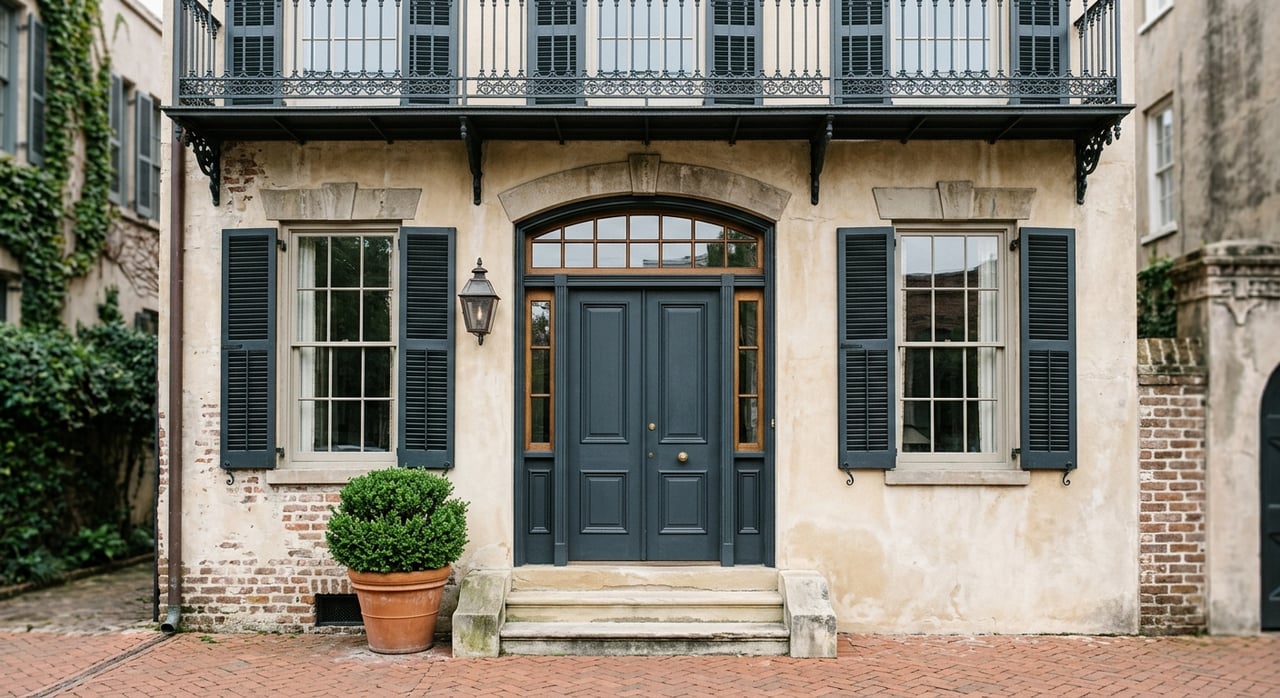
The Warehouse District, in particular, is closely tied to urban apartment and condominium living because so many properties were converted to residential use over time. That mix of newer construction, historic buildings, and conversion projects creates real differences in maintenance needs, insurance costs, and long-term repair planning.
Historic and converted buildings
Older and converted buildings often have more complex upkeep needs than a newer, simpler structure. Exterior repairs, façade work, and building-system updates can be more involved, especially when the property falls within a historic-district review area.
For some properties in this part of New Orleans, visible exterior work may require Historic District Landmarks Commission approval. That can affect both the timing and cost of future building projects, which may be reflected in the monthly fee or in long-term reserve planning.
High-rise systems and shared infrastructure
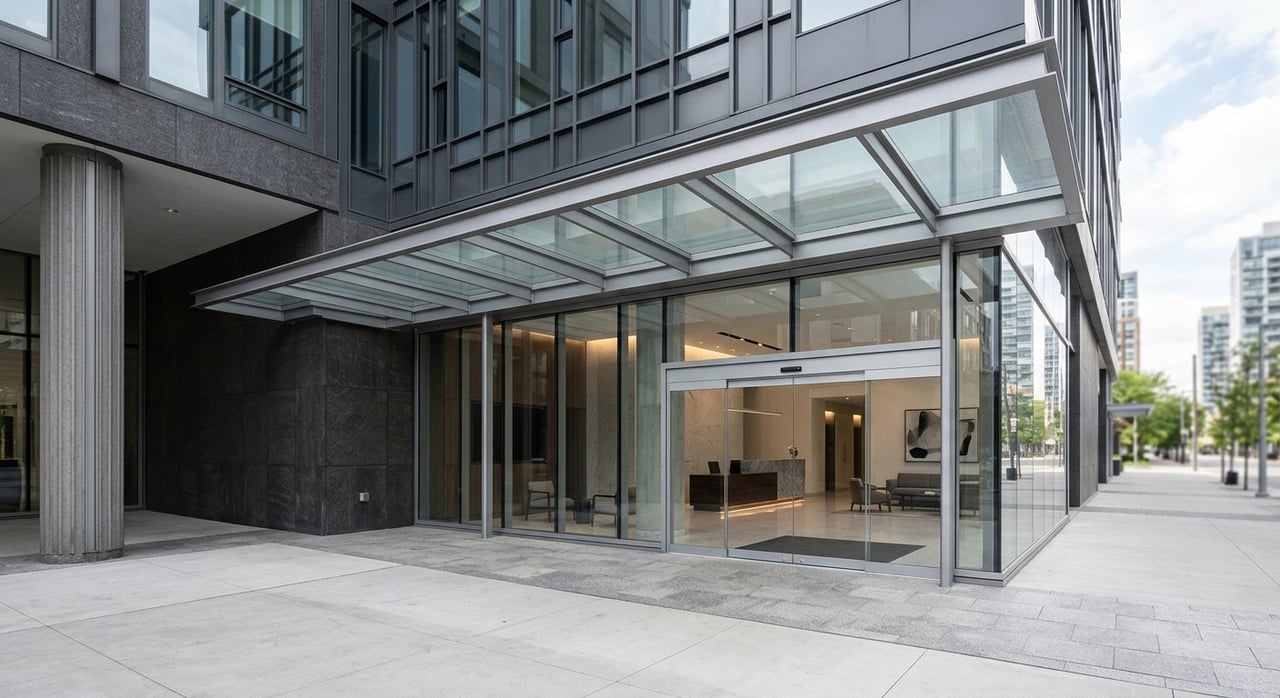
A condo in a high-rise building often has systems that cost more to operate and maintain. Elevators, secure entry systems, mechanical equipment, parking structures, and larger common areas can all add to the budget.
That does not automatically make a higher fee a negative. In many cases, it simply reflects the realities of maintaining a more complex building in a dense urban setting.
Lower fees are not always better
It is easy to assume the lowest HOA fee is the best deal. Sometimes that is true, but sometimes a lower fee means a building is keeping monthly costs down by delaying work or underfunding reserves.
That can increase the chance of a special assessment later. Special assessments are separate from regular HOA dues and are often used for large maintenance projects or unexpected property damage.
What to review before you buy
If you are comparing condos in the CBD or Warehouse District, ask for more than the monthly fee amount. A smart review looks at the full building financial picture.
Louisiana requires resale certificates to disclose several important items for buyers. These include the current assessment amount, approved capital expenditures, reserve amounts, the latest financial statements, the current operating budget, insurance coverage, pending lawsuits, and any ground-lease term.
Key questions to ask
Use these questions to understand what the fee really means:
- What does the monthly HOA fee cover?
- What is billed separately from the fee?
- How much is currently held in reserves?
- Are there designated reserve projects coming up?
- Are there any current or pending special assessments?
- What insurance does the association carry?
- Are there approved capital expenditures not yet completed?
- Is there any pending litigation involving the association?
- Is the property subject to a ground lease?
- Will any upcoming exterior repairs need historic review?
Documents worth reviewing
Before closing, try to review these core documents:
- Current operating budget
- Most recent balance sheet
- Most recent income and expense statement
- Reserve balance details
- Approved capital expenditure information
- Association insurance certificate or coverage summary
- Resale certificate disclosures
For newer buildings, it is also helpful to ask how the reserve account was funded at launch. Louisiana requires at least two months of assessments to be collected into a reserve escrow account during the initial sale process for new units.
How to compare HOA fees the right way
A condo fee should be viewed as part of your total monthly housing cost, not in isolation. Condo and HOA dues are usually paid separately from your mortgage payment, so they need to be factored into your budget from the start.
When you are running the numbers, include:
- Principal and interest
- Property taxes
- Your individual homeowners insurance
- Mortgage insurance, if applicable
- Flood insurance, if relevant
- HOA dues
- Utilities and maintenance costs not covered by the association
Look beyond the sticker price
A lower list price with a higher HOA fee is not always worse than a higher-priced unit with lower dues. One building may include more services, stronger reserves, or more substantial insurance coverage.
Another may look cheaper at first glance but leave you paying more out of pocket later. The best comparison is the full monthly cost plus the building’s financial health.
Focus on value and risk
In the CBD and Warehouse District, HOA fees often function as a building-quality and risk-management tool. They help fund maintenance, insurance, operations, and reserves that protect the property over time.
That is why the most useful question is not, “Is this fee high?” It is, “Does this fee make sense for this building, and is the association planning well enough to reduce the odds of future surprises?”
What this means for condo buyers
If you are shopping for a condo downtown, HOA fees deserve careful attention, but not knee-jerk reactions. A well-run building with a thoughtful budget can be worth a higher monthly fee if it reflects strong maintenance, sound reserves, and realistic insurance coverage.
This is especially true in the CBD and Warehouse District, where historic structures, adaptive reuse, and larger shared systems can shape the true cost of ownership. Looking closely at what the fee covers can help you buy with more confidence and fewer surprises.
If you want help comparing condo options in downtown New Orleans, The Martzolf Group can help you look beyond the list price and evaluate the full picture with a local, detail-driven perspective.
FAQs
What do condo HOA fees usually cover in the CBD and Warehouse District?
- Condo HOA fees often cover common-area maintenance, building operations, association insurance, reserve funding, and sometimes shared amenities or services such as parking, pools, utilities, or private streets.
Why are condo HOA fees higher in some downtown New Orleans buildings?
- Fees can be higher because of building complexity, high-rise systems, older or historic structures, reserve funding levels, insurance costs, and the upkeep required for shared amenities and common elements.
What documents should you review before buying a condo in New Orleans?
- You should review the resale certificate, current assessment amount, approved capital expenditures, reserve amounts, latest financial statements, operating budget, insurance coverage, pending litigation, and any ground-lease terms.
Do condo HOA fees include your personal homeowners insurance?
- No. The association usually carries master insurance for common elements and structural components, while you still need your own policy for your unit’s betterments and improvements.
Are special assessments the same as regular condo HOA fees?
- No. Special assessments are separate from regular monthly dues and are often used for large maintenance projects or unexpected property damage.
How should you compare condo HOA fees between two CBD or Warehouse District properties?
- Compare what each fee includes, the strength of the reserve account, the building’s insurance coverage, any planned capital projects, and your total monthly housing cost rather than judging the fee amount alone.